What Do Roller Coaster Dreams Mean? Understanding Your Subconscious Ride
Published on: June 6, 2026 | Last Updated: June 6, 2026
Written By: Morpheous
Hello Dreamers, Roller coaster dreams vividly mirror the emotional highs and lows you’re navigating in waking life, often signaling excitement, anxiety, or a dance with the unknown. That sudden drop in your stomach upon waking isn’t just a phantom sensation-it’s a direct line to your inner world’s current climate.
I’ve felt that post-dream adrenaline too, the haze of memory mixing thrill with unease. These dreams are common messengers, not omens, and exploring them can reduce fear and spark self-awareness. We’ll walk through the hidden messages together, focusing on:
- Spiritual symbolism of the roller coaster’s path
- Psychological insights into control and release
- How details like speed or safety alter the meaning
- Practical steps for emotional healing and better sleep hygiene
The Universal Symbolism of Roller Coaster Dreams
Roller coasters in dreams are not just about amusement parks; they are powerful metaphors your subconscious uses to paint a picture of your emotional state. The universal symbolism points directly to how you experience life’s volatile rhythms and intense transitions. Think of that sudden drop in your stomach during a plunge-it mirrors the jolt of an unexpected life change. The climb to the peak echoes anticipation, while the loops represent cycles you feel trapped within. I’ve often woken from these dreams with my heart racing, the haze of the memory feeling so real it took minutes to settle. Your mind uses this vivid imagery to process feelings of excitement, fear, and the unpredictable nature of your waking journey. It’s a direct line to understanding your personal resilience.
Decoding the Ride: Common Themes in Roller Coaster Dreams
To make sense of that wild night ride, let’s break down the most frequent scenarios. Each theme offers a unique window into your psyche, highlighting specific anxieties or triumphs. Pay close attention to the details-the weather, the sounds, the people with you-as they all color the interpretation.
Life’s Ups and Downs: Navigating Personal Instability
This theme is the most common. Your dream roller coaster mirrors the unstable patches in your career, relationships, or personal growth. If the track feels endlessly chaotic, it often reflects a period where you’re struggling to find solid ground. I recall a phase where my own dreams featured rickety wooden coasters during a shaky career transition; the symbolism was unmistakable. Notice the pattern of the ups and downs:
- Steep climbs: Symbolize mounting pressure or ambitious goals.
- Sudden drops: Represent fears of failure or loss of control.
- Gentle slopes: Might indicate welcomed respites or moments of calm.
Trust that this dream is helping you process instability, reducing fear by naming it. Practicing mindfulness before bed can smooth out these mental tracks.
The Adrenaline Dichotomy: Thrill Versus Pure Fear
Were you screaming with joy or trembling in terror? This split defines the dream’s core message. The adrenaline rush you feel-whether positive or negative-reveals your true attitude toward current challenges. A thrilling ride suggests you’re embracing risk and change, while pure fear signals overwhelm. Your body’s reaction in the dream is a trusted guide.
- Thrill seekers: You might be on the verge of a breakthrough, energized by possibility.
- Fearful passengers: You could be ignoring a situation that feels too fast or dangerous.
- Mixed emotions: This is common, showing ambivalence about a decision.
Listening to this emotional feedback is a form of intuition you shouldn’t ignore. It’s your inner self advising on your capacity for stress.
Control and Chaos: Are You Driving or Just Along for the Ride?
Your role in the dream is crucial. Are you operating the controls, or are you a passive rider strapped in? This directly mirrors your perceived agency in a waking situation. Dreams where you’re driving, even poorly, point to a struggle for mastery. Being merely a passenger often reflects feelings of powerlessness. Consider these variations:
When the Ride Breaks Down: Dreams of Stalled Momentum
Dreams of a coaster stalling on the tracks or breaking down are profoundly symbolic. They highlight fears of stalled progress, creative blocks, or a project grinding to a halt. The eerie quiet of a stopped ride contrasts sharply with the usual noise, emphasizing feelings of frustration or limbo. In dream symbolism, being stuck or restrained often signals areas where you feel blocked or powerless. The frustration is a cue to examine what boundaries are limiting you and how you might reframe your path. Ask yourself:
- Where did it stop? At the top (anticipation), or mid-drop (crisis)?
- Was there panic or relief? This shows if you see the stall as a disaster or a needed pause.
- Did help arrive? This mirrors your hope for external solutions.
Such dreams are not omens of failure, but prompts to check your emotional well-being and recharge. They often appear when you need permission to rest and reassess your path.
The Emotional Landscape: What Your Feelings Reveal
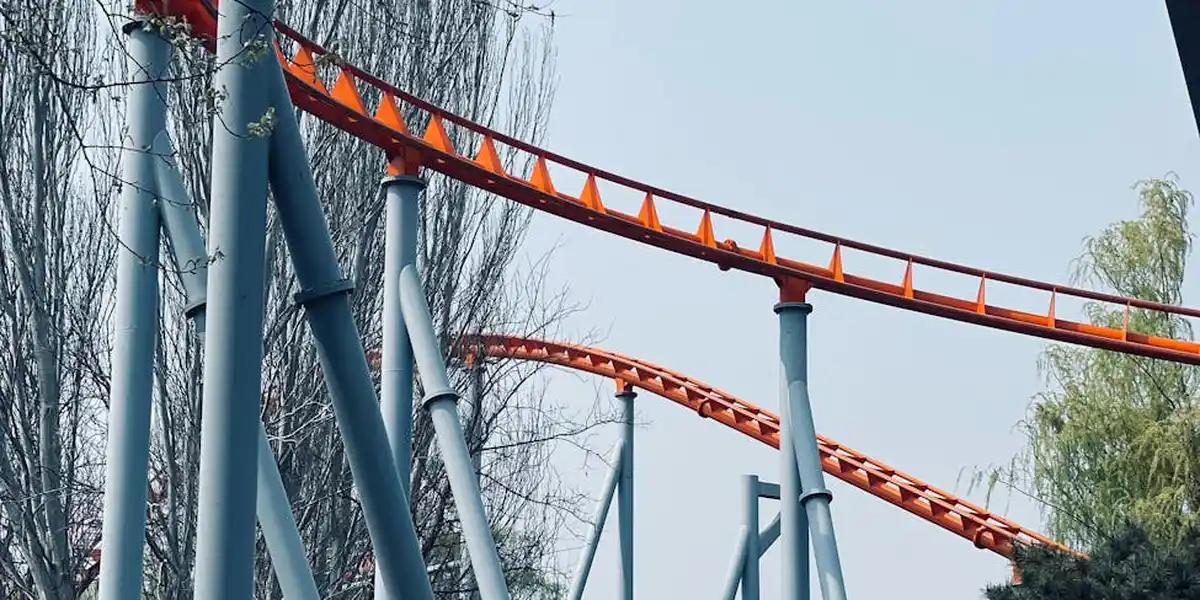
The emotions you carry out of the dream are the most important clue. That lingering feeling—the buzz of excitement or the weight of dread—holds the key to your subconscious message. Your dream mind uses the roller coaster’s physical sensations to mirror inner emotional truths. A feeling of exhilaration, even after a scary drop, can signal hidden resilience. Nausea or vertigo might point to something in your life that literally doesn’t sit right with you. Nightmares often reveal our deepest fears and anxieties in symbolic, unsettling images. Exploring these signals can help you identify and address hidden worries.
- Joy and Laughter: You’re finding fun in the chaos or successfully navigating change.
- Terror and Anxiety: Points to unaddressed stress or a situation feeling too volatile.
- Detachment or Numbness: Could indicate emotional burnout or disassociation from a problem.
Honoring these feelings by journaling them upon waking can speed emotional healing and self-discovery. It turns a confusing night vision into a practical tool for mindfulness. Prioritizing good sleep hygiene, like a dark, cool room, often leads to clearer emotional recall from these powerful dreams.
Who’s Riding? Interpreting Roller Coaster Dreams by Context
For Women and Men: Subtle Shifts in Dream Meaning
The same roller coaster dream can whisper different secrets to women and men, shaped by lived experiences and societal echoes. For many women, the ride often mirrors emotional rhythms or the pressure to balance multiple roles, feeling every twist in the gut. I’ve noticed in my own dream journal that loops coincided with menstrual cycles, a physical reminder of inner tides. For men, the imagery might lean toward challenges in authority or competition, where a steep drop sparks a fear of losing grip.
Notice your emotional response upon waking-were you exhilarated or drained? That feeling is your compass. Your subconscious uses these gendered lenses to highlight where you feel most vulnerable or powerful in daily life. Improving sleep hygiene, like limiting screens before bed, can make these messages clearer and less frightening.
- For Women: Look for symbols of creation or pressure-a coaster weaving through a familiar neighborhood might reflect domestic tensions.
- For Men: Focus on control-a broken safety bar could symbolize perceived weaknesses in a professional setting.
- Universal Tip: Trust your intuition about the dream’s core emotion; it rarely steers you wrong.
Roller Coaster Dreams During Pregnancy and Major Transitions
When your waking life is a whirlwind of change, your dreams often become a themed park. Pregnancy, career shifts, or moving homes can launch these vivid coaster visions. The abrupt climbs and falls directly mirror your body’s and mind’s adjustment to the new normal. During my friend’s pregnancy, she dreamed of a coaster that changed tracks mid-ride, perfectly capturing her anxiety about birth plans. It’s common to experience such pregnancy-related stress in dreams. Your psyche is processing transformation at high speed, which is a healthy sign of adaptation.
Embrace these dreams as part of your emotional healing. The vivid colors and sudden drops are not omens but processing tools. Recurring dreams during transition signal your deep mind working overtime to integrate shock into understanding. In trauma recovery, recurring dreams are a common thread—the brain replays distress to reshape its meaning. Understanding this link can empower you to work with the dreams rather than resist them. To soothe the ride, establish a mindful bedtime ritual—sipping herbal tea or gentle breathing can signal safety to your nervous system.
The Recurring Ride: What Your Subconscious Keeps Replaying
If the same coaster track appears night after night, your inner self is holding up a flashing sign. Recurrence points to a pattern, belief, or unresolved emotion that demands your attention. Maybe you always dream of being stuck on the ascent, or the ride malfunctions at the same curve. I once had a recurring dream where the coaster vanished at the peak, reflecting my own fear of success that took months to acknowledge. Your subconscious replays this to foster self-discovery.
Break the loop with practical steps. Keep a notebook by your bed and scribble details the moment you wake, through the haze of memory. This act of recording reduces the dream’s intimidating power and brings clarity. You can analyze your recurring dreams by comparing notes for patterns. This turns nocturnal images into guidance for daily life. Analyze what consistent element—a time of day, a fellow passenger—ties to your waking life. Often, the answer is in the mundane stress you’ve overlooked.
- Journal immediately: Capture sensations like the jolt of a drop or the sound of gears.
- Link to waking triggers: Did a tough conversation precede the dream? Connect the dots.
- Reframe before sleep: Gently tell yourself you’ll notice something new on the ride, inviting positive change.
Lucid Dreaming on the Coaster: Steering Your Subconscious
Imagine suddenly knowing you’re dreaming while hurtling down those tracks-that’s lucid dreaming, a potent tool for growth. On a lucid coaster, you can choose to slow the descent, change the scenery, or even step off. This practice builds incredible trust in your intuition. My first lucid coaster dream let me alter a terrifying drop into a gentle glide, a lesson in confronting anxiety that stayed with me for days. It turns fear into a playground for your psyche.
To encourage lucidity, perform reality checks during the day, like looking at your hands and asking, “Am I dreaming?” Lucid dreaming on a coaster is less about control and more about conscious collaboration with your deeper mind. Embrace the sensory burst-the wind on your face, the metallic smell-as anchors. This mindful engagement promotes mental well-being by showing you that even in chaos, you have a seat of awareness.
Beyond the Thrill: Spiritual and Psychological Insights
Biblical and Spiritual Meanings: Valleys, Mountains, and Divine Track
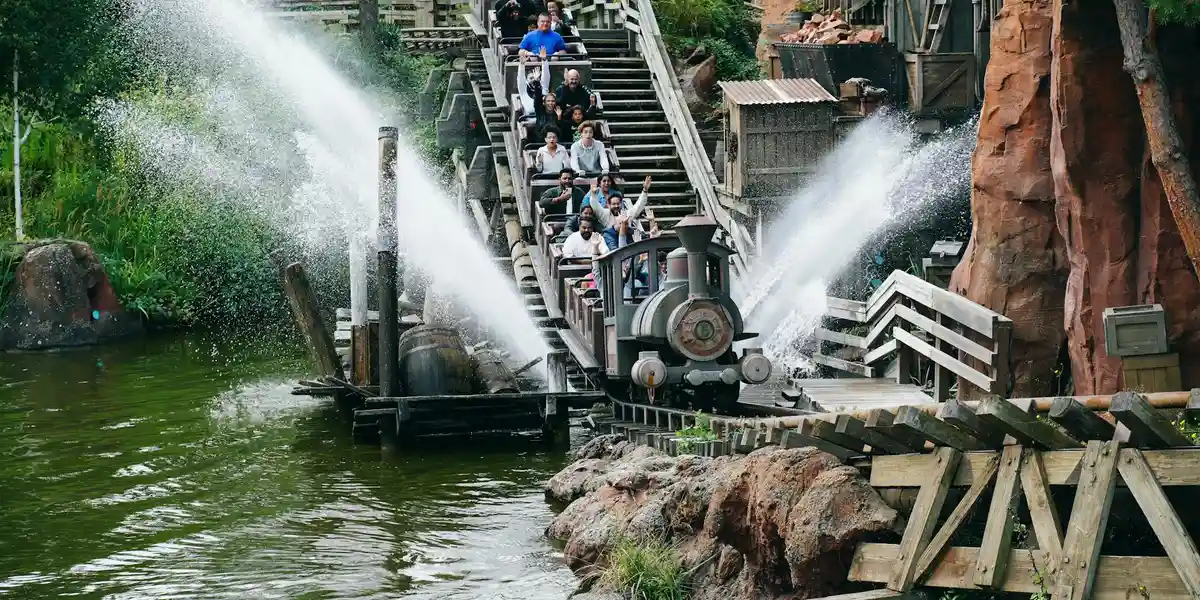
From a spiritual vantage, a roller coaster dream maps your soul’s journey through earthly trials and triumphs. The track can symbolize a divine path, with each loop representing a test of faith or a necessary lesson. Think of biblical phrases like “walking through the valley”; the coaster’s drop is that shadowy low, while the climb is the promised ascent. Your dream may be a nudge to surrender to a larger plan, trusting the track even when the view is blurry. I find comfort in seeing the entire ride as sacred-the dips are as crucial as the peaks for growth.
Pay attention to spiritual symbols around the ride. Passing through a tunnel might mean a period of introspection, while bright lights could signal guidance. Interpreting your dream this way fosters resilience, framing life’s unpredictability as part of a meaningful whole. For peace, visualize the coaster bathed in calming light before sleep, a simple meditation that supports emotional healing.
Jungian Psychology: The Psyche’s Inevitable Loops and Drops
Carl Jung saw dreams as the psyche’s self-balancing act, and a roller coaster is a perfect metaphor for this natural process. The inevitable loops and drops represent the emotional cycles required for individuation—becoming your whole self. A wild, frightening coaster might compensate for a too-controlled waking life, urging you to embrace spontaneity. Jungian analysis invites you to see the dream not as a warning but as a necessary dialogue between your conscious and unconscious minds. I’ve learned that the steepest drops in my dreams often preceded breakthroughs in understanding my own shadow. In dream analysis, recurring symbols and patterns can reveal self-sabotaging habits that block progress. Recognizing them in dreams offers a practical map for breaking these patterns in waking life.
Explore the archetypes present. Is there a trickster figure operating the ride? Or a hero in the front car? Your subconscious uses these universal patterns to communicate where integration is needed for psychological health. Common recurring dream themes—being chased, falling, or finding doors—often signal underlying fears or desires for control. Interpreting these motifs reveals what areas of your life are calling for attention. Practice active imagination by day: gently revisit the dream’s feelings and let new endings emerge. Coupled with good sleep hygiene, this approach turns terrifying rides into maps for profound self-discovery.
From Dream to Dawn: Applying Your Interpretation
That jolt of waking up, breathless and disoriented, is just the starting point. Translating your roller coaster dream into daily life bridges the mysterious night world with your conscious choices, offering a path to healing.
I once had a series of dreams where the coaster always climbed impossibly high, then vanished-a direct reflection of my own fear of unfinished projects. Recognizing that pattern helped me address my procrastination with more kindness and structure.
Follow these steps to ground your dream insights and spark positive change.
- Anchor the Feeling: Before you even open your eyes, stay still and feel the residual emotion. Was it exhilaration or dread? This primary sensation is your guide.
- Connect the Symbols: Match dream elements to your waking reality. A sudden drop might mirror a recent surprise, while a broken safety bar could signal lost trust.
- Choose a Mindful Response: If the dream highlighted chaos, introduce one calm ritual. For dreams of thrilling speed, seek a safe, new experience to channel that energy.
- Reflect Before Sleep: Ask a quiet question about your interpretation as you drift off. Your subconscious often responds with clearer dreams over time.
Good sleep hygiene turns dream recall from fuzzy to vivid. Dimming lights an hour before bed and keeping your room cool can transform your sleep into a richer source of intuitive wisdom.
Your intuition is your best interpreter. If a particular meaning resonates with a deep, inner knowing, trust that over any fixed definition you read.
View these dreams as nightly reports from your inner self. From a psychological perspective, dreams are thought to reveal subconscious concerns and how your mind processes experiences. Applying their messages reduces fear and empowers you to navigate life’s real twists with more grace and preparedness.
Common Questions
What do dreams about roller coasters in virtual reality symbolize?
Dreaming of a roller coaster in a VR setting often highlights feelings of detachment or hyper-control in your waking life. It may reflect a situation where you’re engaging with challenges at a safe, mediated distance, or it could signal a desire to escape reality through immersion. To explore this, consider if you’re using technology or mental barriers to buffer yourself from emotional experiences, and practice grounding techniques like mindful breathing to reconnect with your physical senses.
Can playing roller coaster simulation games on PS4 affect my dreams?
Yes, playing intense games like roller coaster simulators on PS4 can influence dream content by priming your brain with vivid imagery and adrenaline-based emotions. This is a normal process where your subconscious integrates recent sensory inputs, potentially leading to dreams that mirror the game’s thrills or mechanics. If these dreams become distressing, try winding down with calming activities before bed and setting an intention to dream about peaceful themes, which can help guide your sleep mind.
What is the meaning behind dreaming about a roller coaster video game?
Dreaming of playing a roller coaster video game typically symbolizes your attempts to manage or simulate control over life’s unpredictable aspects. It may indicate that you’re approaching real-life ups and downs with a strategic or gamified mindset, seeking rules in chaos. To apply this insight, assess where you might be over-analyzing emotions instead of feeling them, and allow yourself to step away from “problem-solving” mode to embrace authentic experiences.
Stepping Off the Dream Ride
When you wake from a roller coaster dream, let your first question be about the feeling it left behind, not just the wild imagery. Your emotional response-the gut-drop of fear or the wind-rush of joy-is the most reliable compass for navigating what your psyche is processing.
Please know that interpreting these symbols is a gentle act of self-care, a way to acknowledge your own resilience. So, fear no more the nighttime climbs and falls; may your dreaming mind become a trusted guide on your waking path. Common symbols recur in dreams, yet their meanings are personal and can evolve with you. While they can offer clues, your own associations matter most when interpreting them.
At Night Omen, we delve into the fascinating world of dreams to uncover their deeper meanings and symbolism. Our team of dream interpreters and psychological experts is dedicated to providing accurate, insightful interpretations to help you understand the messages your subconscious is sending. Whether you’re seeking clarity after a vivid dream or simply curious about recurring symbols, our trusted resources guide you on your journey of self-discovery through the mysterious realm of dreams.
Cultural Interpretations