
What Skydiving in Your Dreams Symbolizes: Leaps of Faith and Fear
Published on: January 16, 2026 | Last Updated: January 16, 2026
Written By: Morpheous
Hello Dreamers, dreaming of skydiving is a powerful sign from your subconscious, often pointing to a major life transition, a craving for liberation, or the courage to face something daunting head-on. That jolt of adrenaline upon waking? I’ve felt it too. In my own dream journey, a skydiving vision once mirrored my anxiety about a career shift, showing me how fear and freedom can intertwine. This dream is your psyche’s way of nudging you toward growth, not warning of disaster.
Let’s gently unpack the layers of your nighttime freefall. We’ll explore the hidden messages together, focusing on:
- The spiritual call to trust your path and surrender control.
- Psychological insights into personal risk and breaking from routine.
- How the dream’s details-like a stuck parachute or peaceful glide-change its meaning.
- Actionable steps to connect this symbol to your waking life for emotional healing.
The Core Spiritual and Psychological Meaning of a Skydiving Dream
Your Subconscious Takes Flight
Spiritually, a skydiving dream is a powerful metaphor for a leap of faith. It signals your soul is ready to release an old story and trust a larger, unseen process. You are being asked to surrender control to a wisdom greater than your everyday mind.
Psychologically, this mirrors the Jungian concept of individuation-the leap into the unknown parts of yourself. This dream often arrives when your conscious mind is fighting a change that your deeper self has already approved. I’ve felt this tension myself, waking with the echo of wind in my ears after resisting a career shift.
The plane represents your current, limited perspective. Jumping is the conscious choice to grow, even when it’s terrifying. That breathtaking freefall isn’t a punishment; it’s the exhilarating, vulnerable space where transformation happens.
Decoding Your Emotional Freefall: Fear, Exhilaration, and Everything In-Between
The Adrenaline of Your Inner World
Pay close attention to the dominant emotion you felt mid-air. Was it pure, unbridled joy? That visceral thrill is a direct message from your psyche. Your dream is confirming you are on the cusp of a breakthrough that will liberate you. That rush is your body remembering what freedom feels like.
This exhilaration often highlights areas where you’ve been playing it too safe. The wind rushing past symbolizes outdated thoughts being stripped away, leaving you feeling cleansed and incredibly alive. It’s a potent reminder to seek more vibrancy in your waking life.
When Fear Takes the Pilot’s Seat
If your dream was soaked in dread, your focus likely snagged on the “what ifs.” What if the parachute fails? What if I crash? This isn’t a prediction; it’s an amplification of your current anxieties. Dream fear is usually a magnifying glass held over your waking-life worries about failure or loss of security.
That gut-churning drop in your stomach mirrors a feeling of powerlessness in a real situation. If you dream of being lost or trapped, it often points to a real sense of directionlessness or constraint in waking life. Ask yourself: where in my life do I feel I have no safety net? The dream brings this fear to the surface so you can examine it in the light of day, reducing its hidden power over you.
Vivid Variations: What Your Specific Skydiving Dream Details Reveal

The Parachute: Your Symbol of Trust and Support
The parachute’s condition is your dream’s most crucial clue. A smooth, easy opening reflects trust in your own resilience or support systems. A tangled or failing chute? That speaks to a core fear that your resources-internal or external-will abandon you.
Pulling the ripcord is a deliberate act of faith, symbolizing your decision to engage your coping mechanisms or ask for help. If you forgot your parachute entirely, the dream may be a jolting nudge that you’re approaching a risky situation unprepared. Listen to it.
The Jump, The Flight, and The Landing: A Three-Act Play
Break your dream into these three phases for precise insight:
- The Jump (The Decision): Hesitating at the door? You’re wrestling with a real-life choice. Being pushed suggests you feel forced into a change. Leaping eagerly shows readiness to embrace the new.
- The Flight (The Transformation): A chaotic, spinning freefall points to feeling out of control. A serene, floating descent indicates graceful surrender. Notice the landscape below-it often mirrors your outlook on life.
- The Landing (The Integration): A gentle touchdown promises a smooth transition. A crash landing warns of a rocky integration if you don’t prepare. Missing the landing and still falling as you wake up means your subconscious is still processing the outcome. Keep a journal by your bed to capture these unresolved feelings.
Recurring Skydiving Dreams: Why Your Subconscious Keeps Replaying the Jump
That feeling of déjà vu as you step out into the void, again. I’ve been there, waking up with the same electric jolt in my chest, the echo of wind still roaring in my ears. A recurring skydiving dream is your psyche knocking louder, a memo marked “urgent” that you haven’t fully opened yet. It’s more than a random replay; it’s a sign of a persistent emotional or situational loop in your waking life that your subconscious is determined to process. Your mind repeats the symbol until you grasp its application to your daily reality.
Think of the recurrence not as a broken record, but as a dedicated teacher using the same potent lesson plan because you haven’t passed the test. The core emotion you feel during the dream is your biggest clue. Is it relentless, exhilarating freedom? Or is it a paralyzing terror that repeats each night? The repetition itself signals a conflict between a deep desire and a holding pattern of fear. Observe the recurring motifs—locations, people, or symbols—and begin identifying dream patterns and their meanings. Understanding these patterns can reveal what your subconscious is trying to tell you.
- Unresolved Anxiety: You may be facing a prolonged period of uncertainty-a job search, a waiting game in a relationship, a health concern. The dream mirrors this suspended state of “not knowing.”
- Ignored Intuition: Your inner voice is shouting a direction you keep rationalizing away. The recurring jump is your soul’s way of saying, “You already know what to do.”
- A Stubborn Pattern: You might be circling a life decision, approaching the edge of change only to pull back, day after day. The dream highlights this cyclical hesitation.
From my own experience, a period of recurring skydiving dreams coincided with me delaying a major career shift. The dream only ceased when I finally acknowledged my fear was not of falling, but of soaring in a new direction. Pay acute attention to any small details that change in each recurrence; a clearer landscape below or a calmer feeling mid-fall can signal your internal progress. Do recurring dreams ever stop on their own? In my experience, they tend to quiet once you address the underlying fear and take a real step forward.
Your Dream, Your Awakened Life: Connections to Real-World Risk and Change
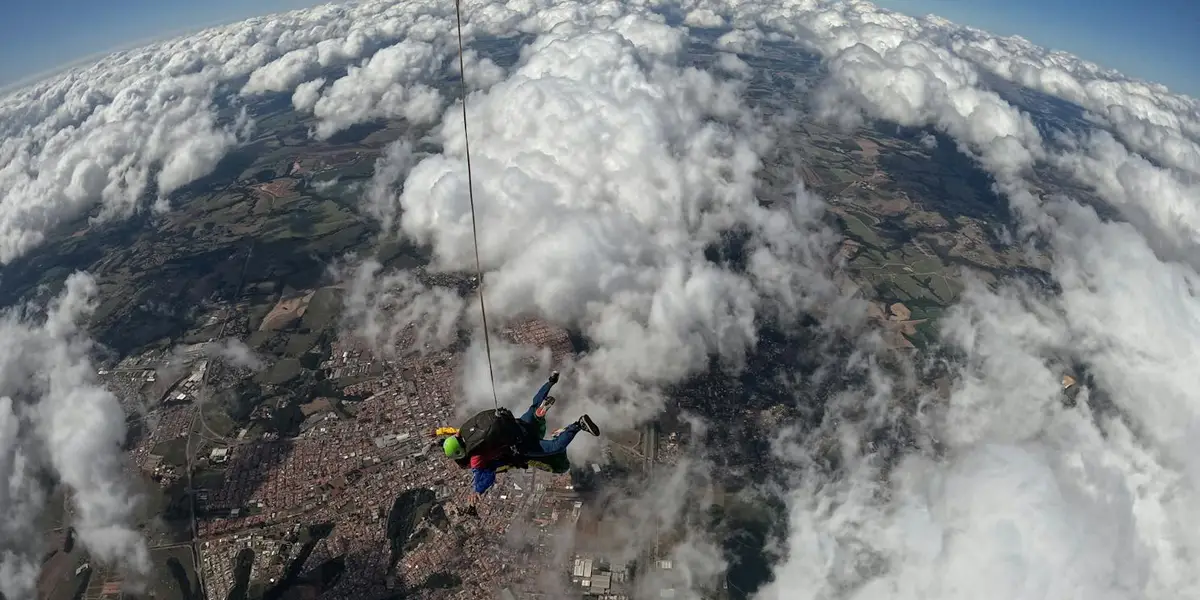
The vivid, sensory overload of a skydiving dream-the kaleidoscopic earth, the roar in your ears, the physical rush-is a direct echo of your body’s response to real-world transformation. Your dreaming mind uses this extreme metaphor to process the risks and revolutions of your daily existence. That stomach-dropping sensation isn’t just a dream phantom; it’s the very same biological alarm that sounds when you send a risky text, sign a loan, or speak a hard truth. Nightmares about being chased, falling, or dying often symbolize a fear of being pursued by change or losing control. They echo the same fundamental alarm, reframed as existential threat in the dream world.
Dreams of skydiving act as a symbolic rehearsal for the leaps we face with our eyes wide open. They allow you to feel the potent cocktail of fear and excitement in a safe space, exploring potential outcomes without real-world consequences. If you’re dreaming of flying or a graceful, controlled descent, you may be integrating a recent change with more confidence than you realize. A dream of tumbling wildly, however, could point to a situation feeling out of control, urging you to find your emotional parachute cord.
Is Your Dream Reflecting a “Leap of Faith” You’re Facing?
Look at your waking life with soft eyes. Where are you standing on a metaphorical ledge? The “leap of faith” your dream illustrates is rarely about literal danger. It’s about trust. Are you being called to trust yourself more? To trust the universe, a partner, or a new path? The dream asks the courageous question you might be avoiding.
Ask yourself quietly: What feels like it requires a jump into the unknown right now? It could be as profound as starting a family or as subtle as finally setting a firm boundary. The shared essence is a release of an old, stable identity for the promise of something new. The churning fear you feel in the dream is not a warning to stop, but a natural reaction to the monumental act of releasing control. Your dream is confirming the significance of the choice before you, not predicting its failure.
From Dreamscape to Lifescape: Integrating the Message
So you’ve felt the fall and deciphered the symbols. Now, how do you bring that sky-bound wisdom down to earth? Integration is a gentle, mindful practice. Start by thanking your dream for its dramatic guidance. Then, take one small, tangible action that echoes the dream’s energy of courageous release.
- Journal the Landscape: Write down what you saw below you. Was it a bustling city or a serene ocean? This landscape often represents the new “territory” of your life you’re moving toward. What does it tell you about your desires?
- Embody the Feeling for a Moment: During your day, pause. Recall the dream’s peak sensation. Then, make a small choice that mimics it-voice an opinion, delete an old app, wear a color that feels bold. These micro-acts of courage train your brain for bigger leaps.
- Check Your Sleep Sanctuary: Recurring intense dreams can be amplified by poor sleep hygiene. A calming bedtime ritual-even five minutes of quiet breathing-can provide the stability your mind needs to process change without resorting to nightly cliffhangers.
Your skydiving dream is ultimately a testament to your own capacity for bravery. It’s a powerful, personal parable showing you that you are already in the process of jumping, of growing, of becoming. Trust that the parachute is part of the metaphor, too-symbolizing the innate support and resilience you carry within you, always ready to open.
Common Questions
How does fear influence a skydiving dream?
Fear in a skydiving dream is not an omen of failure, but a magnified reflection of your waking-life anxieties about a loss of control or security. It highlights where you feel vulnerable or without a safety net in a current situation. Acknowledging this dream fear allows you to identify and address the real-world worry, reducing its unconscious power over you.
What does jumping out of a plane without a parachute in a dream symbolize?
This intense variation symbolizes confronting a situation feeling profoundly unprepared or unsupported. It often reflects a fear that your resources—be it internal courage or external help—will fail you. The dream acts as an urgent call to assess your readiness and develop a plan or seek support before moving forward with a major leap. In the realm of interpreting common dream scenarios, the actions you take in the dream often mirror your real-life responses. Recognizing these patterns can guide practical steps you can take in waking life—such as planning, seeking support, or testing your readiness before a big move.
Are there differences between skydiving dreams and free-fall dreams?
Yes, the key difference often lies in intention and equipment. A skydiving dream typically involves a conscious choice to jump and the presence (or absence) of a parachute, symbolizing a calculated risk and your trust in a safe outcome. A pure free-fall dream, like falling from a height, more commonly represents feelings of sudden helplessness, anxiety, or a loss of control without a chosen context of adventure.
Landing Softly: Your Path Forward
When a skydiving dream visits you, see it as a nudge to bravely face a current life transition or a buried desire for liberation. In a biblical sense, flying in dreams can symbolize spiritual ascent and trust in God, pointing to liberation through faith. The vivid feelings you experience-the rush of wind, the clutch of gravity-are your psyche’s raw data, pointing directly to what needs your attention.
Interpreting these symbols is a gentle act of self-care that strengthens your intuition and emotional resilience. You might wonder if those common dream symbols carry fixed meanings. In reality, while many symbols recur, their meanings are shaped by personal experience and the context of the dream. Embrace these nightly journeys, tend to your sleep, and may your dreaming mind always find a peaceful, empowering landing.
At Night Omen, we delve into the fascinating world of dreams to uncover their deeper meanings and symbolism. Our team of dream interpreters and psychological experts is dedicated to providing accurate, insightful interpretations to help you understand the messages your subconscious is sending. Whether you’re seeking clarity after a vivid dream or simply curious about recurring symbols, our trusted resources guide you on your journey of self-discovery through the mysterious realm of dreams.
Dream Analysis Techniques