
Courtroom Dreams: What Trials in Your Sleep Reveal About Judgment and Guilt
Published on: March 15, 2026 | Last Updated: March 15, 2026
Written By: Morpheous
Hello Dreamers, dreams of courtrooms and trials are profound signals from your subconscious, most often reflecting an internal struggle with self-judgment, lingering guilt over past actions, or a deep-seated fear of external criticism. That haze of the memory, the vivid pressure of the stand-it’s your psyche’s way of highlighting areas where you need kindness and resolution.
From my own dream journal, these visions often surfaced when I was being my own harshest critic. Let’s walk through what your mind is communicating. I’ll help you decode the hidden messages, focusing on:
- The spiritual and psychological meaning behind the judge, jury, and verdict
- How specific details like the courtroom’s atmosphere or your role change the interpretation
- Actionable steps for emotional healing and reducing nightly anxiety
- Personal insights on fostering self-forgiveness and better sleep hygiene
The Gavel’s Echo: Waking Up from a Courtroom Dream
That sudden jolt into consciousness, with the phantom sound of a gavel strike still ringing in your ears, is a powerful moment. Your heart might race, and the haze of the dream clings to you like a second skin. How you handle this first waking minute can transform a frightening dream into a tool for emotional healing. I often keep a notebook right on my nightstand because I’ve learned that capturing those vivid colors and chaotic dialogues before they fade is priceless. Take three deep breaths. Feel the solid weight of your blanket. This simple act grounds you, reminding your nervous system that the trial is over.
Trust the jumble of emotions you carried out of sleep—the anxiety, the defiance, the sheer confusion. Your intuition is offering you raw data about inner conflicts that need your daylight attention. Rather than shaking it off, I gently ask myself, “What felt most real?” Was it the stern face of the judge or the frantic search for evidence? This reflection is a cornerstone of good mental well-being, turning nightmare fuel into self-discovery. In waking life, which guidance should I trust—the clarity of day or the symbolism of dreams? I lean toward daylit intuition, testing dream signals against waking reality.
The Courtroom in Your Mind: A Symbol of Your Inner Judge
Every courtroom dream is a brilliant, dramatic staging of your psyche’s internal debate. The wooden benches, the high ceiling, the solemn silence-they all frame a central question: where are you passing judgment on yourself? This dreamscape is your mind’s way of making the abstract process of self-criticism painfully concrete and visible. From a Jungian perspective, the trial represents the tension between different parts of your self, especially between who you are and who you believe you should be.
Pay close attention to the atmosphere. A brightly lit, modern courtroom suggests a current, logical self-assessment, while a dark, cavernous old hall might point to deeper, older feelings of shame. The setting itself is a direct reflection of how you perceive your own internal justice system. I recall a period where my dream courtrooms were always foggy and cold, mirroring my own confused sense of blame during a tough decision. Improving your sleep hygiene with a consistent routine can sometimes soften these harsh dream landscapes, giving your mind a more peaceful space to process.
Who’s Who in Your Subconscious Tribunal?
Every person in your dream trial is an aspect of you. Decoding them is key to the testimony.
- The Judge: This is your inner authority, your superego, or your core morals. A compassionate judge hints at self-forgiveness, while a cruel one signals a harsh inner critic.
- The Lawyer: Often your rational mind or your fighting spirit. The defense attorney is your voice of reason; the prosecutor is your self-doubt or external pressures.
- The Jury: They represent societal expectations, your peers, or different facets of your own conscience voting on an issue.
- The Defendant: Almost always your vulnerable self, the part of you feeling scrutinized, guilty, or exposed.
- The Witness: These are memories, past actions, or forgotten truths being called to the stand for examination.
Seeing yourself in multiple roles, like being both the lawyer and the defendant, shows a complex inner dialogue where you are actively arguing your own case. This isn’t a sign of chaos, but of deep self-engagement.
Common Trial Dreams and Their Hidden Testimony
These specific dream scenarios are like chapters in the book of your self-judgment. Each one carries a unique message from your subconscious. By examining the actions you take within these dreams, you can learn what your mind wants you to change. We’ll interpret common dream scenarios by looking at the actions they prompt you to take.
Dream of Being Wrongfully Accused
You stand in the dock, desperately proclaiming your innocence against charges you don’t understand. The air feels thick with injustice. This dream frequently surfaces when you feel misunderstood in waking life, or when you’re taking on blame that isn’t yours to carry. Psychologically, it can point to imposter syndrome or a fear of being “found out.” Spiritually, it might be a nudge to defend your boundaries and trust your own truth more fiercely. Notice if the accuser is a stranger or someone you know—this clues you into the source of the external pressure you’re internalizing. It’s different from situations where you feel threatened by an intruder in your personal space, which usually signals anxiety about external invasions rather than personal guilt.
Dream of Being Your Own Lawyer
You are passionately defending yourself, scrambling through notes, and making the case to an unseen jury. There’s a frantic energy here. This dream highlights a situation where you feel solely responsible for justifying your choices, actions, or very identity. It speaks to self-reliance but also to the exhaustion of constant self-advocacy. I’ve had this dream during career transitions, my subconscious mind working overtime to build a case for my new path. It’s a sign to acknowledge your efforts and perhaps ask if you need to call in more support-both internally and externally.
Dream of a Guilty Verdict
The word “guilty” hangs in the air, and a profound weight settles in your chest. Waking up can bring real sorrow. This verdict often mirrors a deep-seated belief that you have failed or transgressed in some way, even if logically you haven’t. These moments can also surface as embarrassment and shame in dreams, providing a safe space to examine your insecurities. By naming and exploring them, you can begin to unpack what’s really behind the feeling. It’s less about factual guilt and more about shame. Explore what “crime” you feel you’ve committed. Was it putting yourself first? Was it a past mistake? This dream is a direct invitation for compassion and a review of the evidence from a kinder perspective.
Dream of a Judge’s Stern Disapproval
The judge’s gaze is cold, their mouth a thin line of disappointment directed solely at you. This image cuts deep. This symbolizes your perception of a critical authority figure, which could be a parent, a boss, your own strict morals, or even societal standards. The emotional core is fear of disapproval and a longing for validation. Spiritually, it asks you to question whose gavel you’re letting rule your life. Transforming this dream starts with recognizing that you hold the gavel too, and you can choose to be a more merciful authority.
Dream of a Never-Ending Trial
The proceedings drag on, days blur into nights in the courtroom, and no resolution is in sight. This dream creates a feeling of trapped exhaustion. This is a classic sign of analysis paralysis or an internal conflict you can’t seem to resolve. Your mind is stuck in a loop of weighing pros and cons, rights and wrongs. It often coincides with prolonged stress or indecision. Breaking this cycle requires a conscious “recess.” Practice mindfulness to step out of the mental courtroom. Good sleep hygiene, like a digital curfew before bed, can help quiet the relentless inner dialogue.
The Psychological Docket: Anxiety, Memory, and Self-Criticism
Waking up with your heart pounding after a dream verdict is a physical echo of daytime anxiety. Your mind constructs the courtroom to stage fears of evaluation you brush aside while awake. This dream scenario brilliantly dramatizes the pressure you feel from external judgment or your own high standards.
I remember a phase of personal doubt where I often dreamt of fumbling through legal documents, my voice failing before a stern jury. The vivid panic felt so real. Your subconscious uses these vivid scenes to manifest imposter syndrome or a dread of being found lacking.
Memory acts as the peculiar evidence in this internal trial. Old regrets and minor shames resurface as exhibits, not to condemn you, but because your psyche is stitching together unresolved emotions. That fragmented “testimony” is often a call for compassionate review, not a life sentence.
Pay close attention to the key players in your dream courtroom. Their roles reveal your mental state.
- A faceless jury often represents social anxiety or fear of group opinion.
- If you are the defendant unable to speak, it might symbolize feeling silenced in a real conflict.
- Acting as your own lawyer shows a battling, defensive mindset, a sign you’re intellectually wrestling with a choice.
When these dreams visit, treat them as a signal to audit your self-talk. I started a nightly gratitude jot to counter the critical inner judge, and it softened my dreamscapes. Prioritizing mental well-being through such small acts can directly calm the anxious narratives your brain creates at night.
The Spiritual Verdict: Karma, Conscience, and Divine Accountability
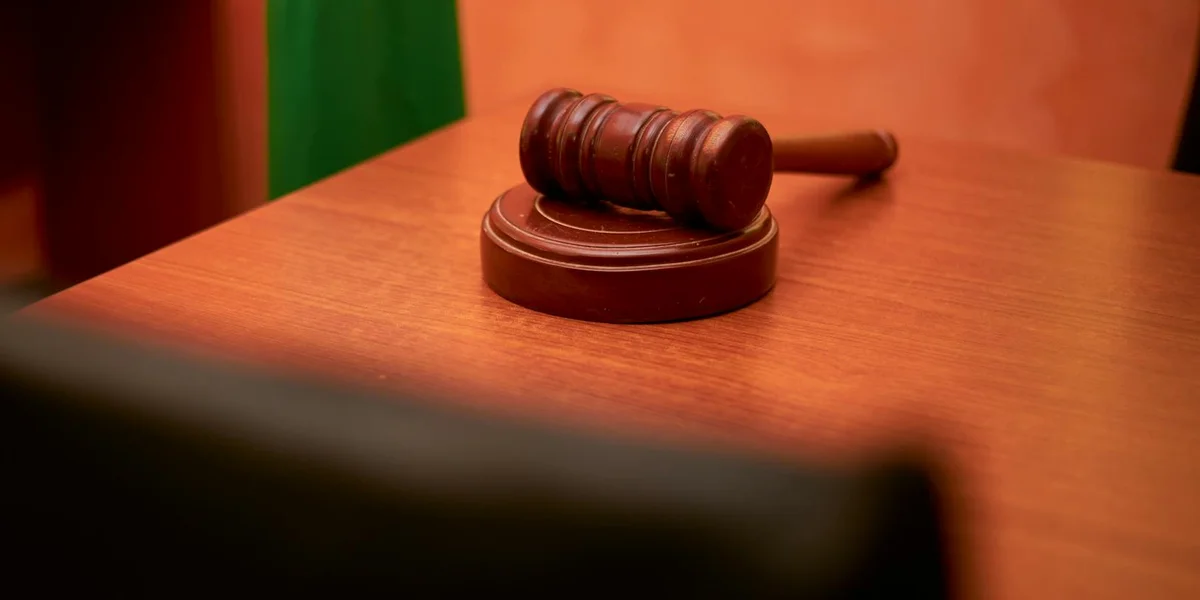
On a soul level, the courtroom transforms into a sacred space for moral reckoning. These dreams can feel like a dialogue with your deepest conscience or a nudge from the universe about balance. They point toward a spiritual need for integrity, asking if your outer life matches your inner truth.
Think of karma not as punishment, but as natural consequence. Dreaming of a trial can mean you’re intuitively processing the ripple effects of your actions. After a time I neglected a dear friend, I dreamt of a scale in court that tipped wildly. The hazy guilt upon waking was palpable. That emotional residue was my own spirit urging me toward alignment and repair.
Symbols of divine accountability are less about fear and more about love’s architecture. A blinding light in the courtroom, a judge with kind eyes, or an overwhelming sense of peace-these are archetypes of higher wisdom. Trust that these images reflect an innate human longing for ethical clarity and grace.
Consider the spiritual outcomes in your dream. They are profound guides.
- An Eternal Trial: If the dream looped without end, you might be avoiding a necessary forgiveness-of yourself or another.
- A Merciful Judge: This figure often symbolizes your higher self or intuition, offering absolution you struggle to grant yourself.
- Being the Witness: Testifying against someone else could mirror a real-life need to speak your truth or release held judgments.
Embrace these visions as invitations for spiritual mindfulness. That quiet voice you hear upon waking? Listen to it. Trusting your intuition through these symbolic verdicts fosters incredible emotional healing and self-discovery on your path. This is especially true when you interpret your dreams for spiritual guidance.
Finding Acquittal: How to Respond to Your Trial Dreams
That jolt of waking up, heart pounding as if you’ve just heard a verdict, can leave you feeling shaky for hours. Instead of dismissing these vivid dreams, see them as a direct summons from your subconscious to address hidden feelings of judgment or guilt. Sometimes you wake feeling confused or disoriented—that’s the dream signaling you to pause and listen. It signifies a tension your waking life hasn’t yet resolved. I’ve been there, staring at the ceiling after a dream where I was both lawyer and defendant, tangled in a sense of unfair scrutiny. The path to peace starts with how you respond after you open your eyes.
Step 1: Record the Emotional Evidence
Grab your journal or phone the moment you wake, while the haze of the memory is still thick. Do not just note the events; document the visceral emotions-were you terrified, defiant, ashamed, or strangely numb? The intensity of feeling is your primary clue. In my own dream diary, I once sketched a judge’s gavel after a particularly harsh trial dream, and next to it, I wrote one word: “powerless.” That simple act revealed a pattern of self-criticism I hadn’t acknowledged in daylight. Keeping that notebook by your bed isn’t just about recall; it’s an act of listening to your inner world and can be a valuable tool to help you identify and break self-sabotaging habits.
Step 2: Cross-Examine Your Waking Life
Now, play detective with your daily reality. Look for parallels where you feel evaluated or where you’re judging yourself. Ask yourself pointed questions: Where in my life do I feel on trial? Is the prosecutor’s voice familiar-a parent, a partner, or my own perfectionism? The courtroom setting is rarely random; it often mirrors a current stressor. I’ve often found that dreams of a chaotic courtroom correlate with times I’m making a big decision, with every inner voice arguing its case. This step bridges the dream symbol and your tangible experiences, reducing fear by bringing confusion into the light.
Step 3: Practice Conscious Self-Compassion
This is where healing actively begins. Your dreaming mind might be replaying criticism, so your waking mind must practice a kinder narrative. Speak to yourself as you would a trusted friend who is struggling, using gentle affirmations that counteract the dream’s verdict. Before sleep, I sometimes place a hand on my heart and repeat, “I release what does not serve me,” which fosters a safer emotional state for dreaming. This isn’t just positive thinking; it’s retraining your brain’s default setting away from guilt and toward acceptance, directly supporting your mental well-being. If a bad dream jolts you awake, take a moment to breathe and ground yourself. Then ease back into sleep with a softer, more compassionate inner narrative.
Step 4: Seek Closure if Needed
Sometimes, a recurring trial dream is a nudge to take action. To get more from these patterns, analyze and interpret your recurring dreams to uncover what your mind is working through. Look for recurring symbols or tensions, and translate them into waking-life actions. If your cross-examination reveals a real-life situation needing resolution, consider a respectful conversation, a written apology, or simply setting a firm boundary. Trust that gut feeling—if the dream persists, it’s likely highlighting unfinished business. After I dreamed of being falsely accused by a colleague, I realized I needed to clarify a project detail at work; doing so brought immediate relief to my sleep. Remember, healthy sleep hygiene is built on resolving daytime tensions, allowing your subconscious to rest from its judicial duties.
FAQs
What is the general meaning behind dreaming of a courtroom?
Dreaming of a courtroom commonly signifies an internal conflict where you are judging yourself or feeling judged by others, often tied to unresolved guilt or anxiety. It serves as a metaphor for your conscience evaluating past actions or decisions. To respond, reflect on areas in your waking life where you feel criticized and practice self-compassion through journaling or mindfulness to alleviate the pressure.
What does a courtroom dream signify from a biblical standpoint?
From a biblical perspective, a courtroom dream can symbolize divine judgment or moral accountability, echoing themes like the Final Judgment or the weighing of sins found in scriptures. It may urge you to consider your spiritual alignment and seek repentance or forgiveness. Engaging with biblical teachings on justice and mercy, such as through prayer or study, can help you find resolution and inner peace.
How is a courtroom dream interpreted in Christianity?
In Christianity, a courtroom dream is often interpreted as a spiritual nudge to examine your conscience in light of faith, possibly indicating a need for confession or reconciliation with God. It can highlight feelings of guilt that require addressing through grace and sacraments like communion. To move forward, consider discussing the dream with a pastoral counselor or incorporating prayer into your routine for emotional and spiritual healing. Some readers also explore the spiritual meaning of church dreams, where a church setting in a dream can symbolize your relationship with faith. Such dreams may invite renewal, service, or deeper repentance within the church community.
Walking Away from the Bench
When a courtroom scene visits your sleep, see it as a profound invitation to audit your inner moral compass. These dreams ask you to gently confront self-imposed verdicts and convert guilt into guided self-reflection.
Trust that these symbolic trials are designed for your growth, not your punishment. Meet them with curiosity, and let their lessons guide you toward lighter days and much quieter nights.
At Night Omen, we delve into the fascinating world of dreams to uncover their deeper meanings and symbolism. Our team of dream interpreters and psychological experts is dedicated to providing accurate, insightful interpretations to help you understand the messages your subconscious is sending. Whether you’re seeking clarity after a vivid dream or simply curious about recurring symbols, our trusted resources guide you on your journey of self-discovery through the mysterious realm of dreams.
Psychological Perspectives