
Busting the ‘Pizza Dream’ Myth: The Truth About Food and Dreams
Hello Dreamers, That slice of pizza before bed does not cause bad dreams. The jolt of waking up from a vivid nightmare can linger, but your favorite foods are not the culprit.
This myth taps into a deep, shared anxiety about sleep and control. I have spent years tracking my own dreams after evening meals, and the reality is far more fascinating than fear.
We will look past the surface to the hidden messages in this common belief. You will learn:
- The real connection between what you eat and how vividly you dream
- How your body’s digestion can influence sleep stages, not dream stories
- Actionable steps for better sleep hygiene that actually work
- Why trusting your own intuition is your best guide for peaceful nights
The Pizza Paradox: Unwrapping the Age-Old Superstition
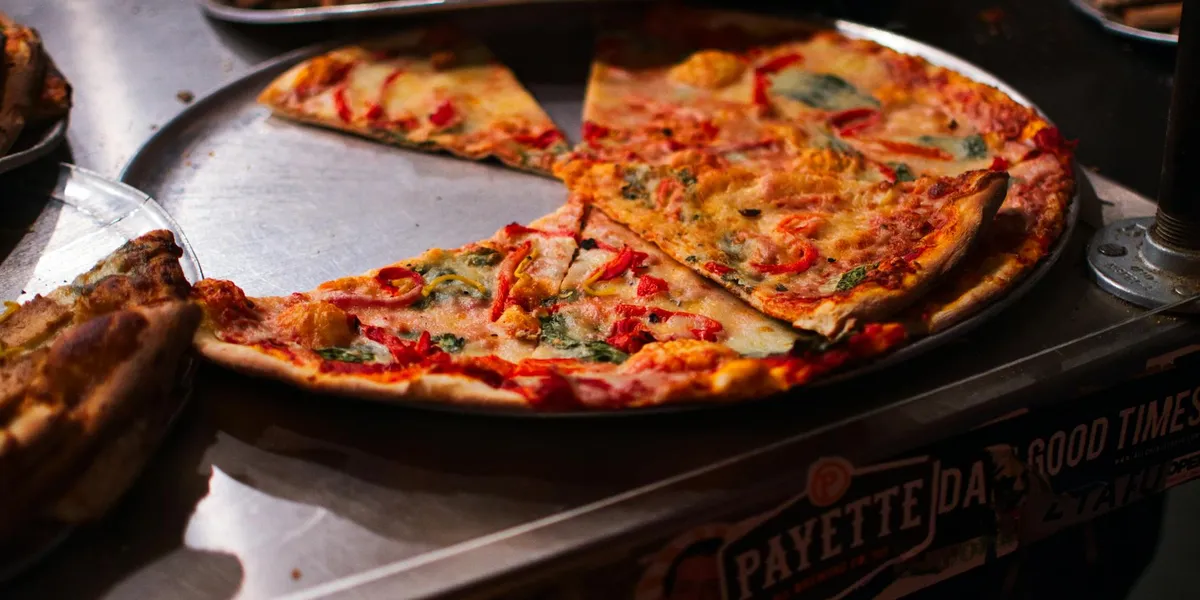
The old wives’ tale is specific: cheese, especially on pizza, and spicy pepperoni are direct tickets to nightmare land. This legend curls back to European folklore, where heavy dairy before bed was believed to upset digestion and summon “night mares,” or evil spirits. Today, it’s baked into modern culture through movies, jokes, and our own cautious whispers before a late-night slice. This specific targeting of pizza makes it a unique cultural scapegoat for restless nights.
I recall a night where a post-movie pepperoni pizza led to a dream so vivid it felt like a second reality. I was lost in a city where the streets were made of melted cheese, and I kept slipping. The haze of the memory and the jolt of waking up left me convinced for years that pizza was the culprit. That visceral experience is common, linking taste directly to terror in our dream logs.
Your expectation plays a chef’s role in your dream kitchen. If you firmly believe a food causes bad dreams, your mind may serve them up on a silver platter. This placebo effect is a powerful dream-weaver. Anticipating disruption can actually shape your dream content, turning neutral sleep into a staged drama of your own fears.
A Banquet of Beliefs: Foods Folk Wisdom Blames for Bad Dreams
Beyond pizza, folk wisdom points a finger at a whole menu of dream disruptors. These common culprits have their own mythical explanations:
- Spicy Dishes: Chili peppers or curries are said to raise your body’s “heat,” causing restless sleep and fiery dreams. The folk reason hinges on digestion creating internal chaos.
- Sugary Treats: Candy, ice cream, or cake are blamed for causing metabolic spikes and crashes, supposedly fueling chaotic, frenzied dream plots.
- Heavy Meats: Red meats like steak are thought to be hard to digest, weighing down your system and inviting oppressive, heavy dreams.
- Dairy: Cheese and milk, separate from pizza, are often cited for causing gastric distress that morphs into emotional distress in dreams.
The supposed “why” often involves simple bodily discomfort-like heartburn or energy swings-getting translated into dream symbols. Our ancestors often interpreted physical sleep disturbances as mystical messages from the dream world.
Contrast this with the emotional symbolism these foods carry. That sugary treat might represent guilt or indulgence, while spicy food could symbolize passion or anger you haven’t processed. Your dream is more likely reacting to the feelings around the food, not the food itself as a chemical trigger.
Laboratory of the Night: What Science Reveals About Diet and Dreaming

Scientific studies on diet and dreaming show a nuanced picture. Research indicates that while certain foods can affect sleep quality, there’s no robust evidence they directly cause specific nightmares. Large, fatty meals can delay sleep onset and reduce REM sleep quality, but not necessarily change dream content. The key takeaway is a lack of direct causation between a specific food and a bad dream narrative. This also calls into question whether dreams in general reflect sleep quality.
Physiological factors are the real sleep disruptors. Gastric reflux from a heavy meal or a blood sugar spike from candy can wake you up slightly, fragmenting your sleep cycle. You’re more likely to recall a disturbing dream if you’re jolted awake during REM sleep. This indirect disruption is often mistaken for the food creating the dream’s scary plot.
Always remember that correlation is not causation. Stress, anxiety, and sleep disorders like apnea are far stronger influencers on dream vividness and emotion. Focusing solely on food ignores the deeper emotional currents that truly guide your dream world.
Shadows in the Mind: Psychological Roots of Nightmares and Vivid Dreams
That haze of a disturbing dream upon waking often sends us scavenging for a cause, like last night’s snack. But from my own dream journal, filled with years of entries, I can tell you the plot usually originates deeper. The primary architects of intense dreams are your unresolved daytime emotions, not your dinner plate.
Daily stress and anxiety feed the subconscious material for vivid or frightening dreams. Unprocessed trauma can also surface, as the mind attempts to heal itself in the safe container of sleep. Your sleeping brain is tirelessly working through feelings you might have sidelined while awake. This processing is a natural, healthy function, even when it wears a scary mask.
Consider the emotional echoes. A day of frustration might lead to dreams of shouting with no sound. Underlying sadness can paint a dreamscape with rain. The narrative of your dream far more accurately mirrors your inner emotional state than your dietary choices. I’ve personally traced chaotic dream sequences back to specific worries I’d brushed aside earlier that week.
To gently build this connection yourself, try a simple two-part journaling habit. It demystifies nightmares and reduces their power.
- Right after waking, briefly describe the dream’s main theme and its strongest emotion.
- Later, note one or two prominent feelings you experienced the previous day.
Seeing these parallels on paper fosters mindfulness and trust in your own emotional rhythms.
Your Body’s Dream Clock: Digestion, Metabolism, and Circadian Rhythm
While pizza isn’t a dream director, your body’s nighttime physiology does set the stage. As you sleep, your core temperature drops and metabolism shifts. These calibrated changes guide your sleep architecture, cycling you into the REM stage where dreams are most potent and memorable.
A large, rich meal can influence this physical process. Digestion requires energy and may slightly elevate your body’s internal temperature. This can lead to a more fragmented sleep, potentially pulling you toward wakefulness during a dream phase. From a dream-psychology standpoint, such fragmentation can influence how dreams are encoded and recalled. It doesn’t prove the meal caused a specific dream, only that recall of fragments may be enhanced. The result? You’re more likely to recall a vivid fragment, creating the illusion the food caused the dream.
It’s vital to differentiate the physical sensation from the psychic story. Indigestion might wake you up, but it doesn’t author the complex saga of being chased. The discomfort is a bodily interrupt signal, not the creative writer of your dream’s plot. The narrative itself always flows from your mind’s reservoir of thoughts and feelings.
This is why cultivating restful sleep hygiene is so powerful. A consistent routine and a cool, dark room help regulate your circadian rhythm. Deep, uninterrupted sleep provides a stable foundation for all dreaming, making your nocturnal journeys feel more integrated and less jarring. In my experience, honoring this rhythm leads to dreams that feel more like visits than intrusions.
Feast or Famine Before Bed: The Art of Timing Your Last Meal
The Truth About the “Midnight Snack” Window
That late-night craving feels urgent, a primal pull toward the fridge in the quiet dark. But timing is everything. Your body needs space to digest, to shift from feast mode into the gentle slide toward sleep. I’ve found that aiming for a two to three-hour gap between your last bite and bedtime is the sweet spot for most dreamers. This buffer reduces the metabolic hustle that can keep your brain too active, letting your mind settle into deeper, more restorative sleep cycles instead of wrestling with a full stomach.
Think of it as creating a calm harbor for your night voyages. Eating too close to lights-out can lead to physical discomfort or even acid reflux, which might jerk you awake and color your dreams with frustration. By giving your body this digesting window, you actively support a smoother transition into the dream world. The jolt of waking up from a vivid dream feels less alarming when your stomach isn’t also staging a protest.
But it’s not about going to bed hungry. Choosing the right snack can be a loving act of sleep hygiene. Some foods contain nutrients that naturally coax your nervous system toward calm. Reach for options that promote steady blood sugar and sleep-supportive hormones, turning your snack into a sleep ally.
- Complex Carbohydrates: A small bowl of oatmeal or a slice of whole-grain toast. These can help increase serotonin, a precursor to the sleep hormone melatonin.
- Bananas: A personal favorite of mine. They’re packed with magnesium and potassium, natural muscle relaxants that ease physical tension.
- A Handful of Almonds: These provide magnesium and healthy fats, supporting a sense of sustained fullness.
- Cherries or Tart Cherry Juice: A natural source of melatonin, they can help signal to your body that it’s time to wind down.
When Food Becomes a Dream Symbol
Here’s where we move from physiology to poetry. When a pepperoni pizza appears in your dream, it’s rarely about the calories. It’s about the symbol. Dream food is a direct line to your emotional landscape, speaking in the language of craving, satisfaction, and memory. That slice might represent a hunger for indulgence, a side of guilt, a longing for community, or a deep need for emotional nourishment that has nothing to do with your dinner.
I recall a phase where cheesy, greasy foods kept popping up in my dreams. Instead of blaming my dinner, I asked myself: where in my waking life was I feeling overly full or spiritually hungry? The dream was a mirror. Your subconscious uses the sensory power of taste and smell to get your attention, wrapping complex feelings in a familiar, edible package. The vivid colors and textures are clues, not culprits.
So, the next time you dream of food, pause before you blame the snack. Reflect on your relationship with that specific food in the dream—were you savoring it alone, sharing it with old friends, or was it somehow spoiled? In many traditions, eating dreams are thought to carry spiritual meanings, signaling nourishment for the soul. They invite you to listen beyond the surface craving. This curiosity transforms a supposed “bad dream” into a profound message. Was the pizza a celebration or a comfort? The answer holds more meaning than any myth.
Listening to Your Dreams: Beyond Myth to Meaning
Chasing the myth of food-caused nightmares keeps you on the surface. It frames dreams as punishments, random glitches from a rebellious stomach. True dream work invites you to see these nightly stories as messengers from your inner self, bearing gifts of insight and healing. When you shift perspective, fear melts into fascination. The haze of a strange dream becomes a doorway, not a disturbance—especially when you learn how to interpret your nightmares and overcome bad dreams.
Trusting this process is a form of self-care. Your intuition is the best guide for what your dream symbols mean for you. Emotional healing often begins when we sit with the feelings a dream evokes, without rushing to find an external cause. In dream interpretation, paying attention to the role emotions—the feelings tied to dream figures or roles—can illuminate how you relate to different parts of yourself. This awareness helps translate dream symbols into waking insight. This practice builds a compassionate bridge between your waking and sleeping minds, reinforcing mental well-being.
Understanding the “pizza dream” myth personally freed me. I stopped tiptoeing around bedtime snacks in fear and started listening more deeply. My dreams became richer, more curious puzzles to explore over morning tea, not frightening omens to blame on a late-night meal. It cultivated a kinder, more curious relationship with my own subconscious, and it can do the same for you. Let your dreams speak their truth. Your job is simply to listen.
Common Questions
Does eating pizza before bed cause nightmares?
No, eating pizza does not directly cause nightmares. This is a persistent cultural myth where the physical discomfort of digesting a heavy meal can lead to fragmented sleep, making you more likely to recall a vivid dream. Instead of fearing specific foods, focus on maintaining good sleep hygiene and managing daytime stress for more peaceful sleep. If you struggle with frequent bad dreams, it might be worth understanding why we have recurring nightmares and how to stop them.
Is there scientific evidence linking food to nightmares?
Scientific studies show no direct causal link between specific foods and scary dream narratives. Research indicates that while large, fatty meals can disrupt sleep quality by causing discomfort, they do not author the dream’s story. The stronger evidence points to stress, anxiety, and sleep disorders as the primary influencers of dream emotion and vividness, especially when it comes to distinguishing between nightmares and anxiety dreams.
How does the timing of eating affect sleep and dreams?
Eating too close to bedtime can interfere with your body’s natural wind-down process, potentially leading to fragmented sleep and more dream recall. Aiming for a 2-3 hour gap allows for digestion, supporting a smoother transition into deeper sleep cycles. If you need a snack, opt for sleep-supportive foods like bananas or a small portion of complex carbohydrates.
Beyond the Plate: Understanding Your Dreams
Food is rarely the true architect of your dream world; it’s your inner self communicating. Look to your waking life for clues, not your refrigerator, to interpret what your nighttime stories mean.
Dream interpretation is a journey into self-awareness, not a search for culinary culprits. Sleep soundly, explore bravely, and may your dreams be as nourishing as your meals. In dreams about cooking, symbols often carry spiritual meaning and inner nourishment. Let these flavors guide self-discovery and awaken your soul.
At Night Omen, we delve into the fascinating world of dreams to uncover their deeper meanings and symbolism. Our team of dream interpreters and psychological experts is dedicated to providing accurate, insightful interpretations to help you understand the messages your subconscious is sending. Whether you’re seeking clarity after a vivid dream or simply curious about recurring symbols, our trusted resources guide you on your journey of self-discovery through the mysterious realm of dreams.
Nightmares