
A Parent’s Guide to Children’s Nightmares vs. Night Terrors
Hello Dreamers, Children’s nightmares and night terrors are intimate messages from their subconscious, reflecting their emotional growth and hidden fears, and knowing the difference is your first step toward providing comfort and understanding. That sudden cry in the night or the haze of a fearful memory at dawn-it jolts any parent’s heart. I remember sitting by my own child’s bed, feeling that mix of concern and helplessness, until I learned to see these moments not as disruptions, but as dialogues with the inner self.
In this guide, we’ll explore the hidden meanings behind these sleep events. You’ll gain clarity on:
- The key signs that distinguish a nightmare from a night terror
- How to decode the spiritual and psychological symbols in your child’s dream world
- Practical, soothing responses that promote safety and emotional healing
- Ways to foster healthy sleep hygiene and trust your parental intuition
The Dreamscape Divided: Defining Nightmares and Night Terrors
As a parent, hearing your child cry out at night sends a jolt straight to your heart. Your first instinct is to comfort, but knowing how to comfort starts with knowing what you’re facing. Nightmares and night terrors are neurologically different events, happening in distinct phases of the sleep cycle. Understanding this split is your first step toward a calm response.
Nightmares are the intruders of the REM (Rapid Eye Movement) sleep stage, the period rich with vivid story-dreams. Your child will likely wake up from a nightmare, often quite abruptly, and be able to recall the frightening plot or images. They’ll seek connection and reassurance, knowing you’re there. The fear comes from inside the dream world. From a psychological perspective on dreams, dreams often reflect emotions and concerns rather than literal meanings. Talking about the dream can help identify what worries your child and ease their fear.
Night terrors, on the other hand, are storms of the deep non-REM sleep stages. This is not a dream being experienced, but a sudden reaction of fear during the transition between sleep cycles. Your child is technically asleep during a night terror, even if their eyes are open. They will not remember the episode in the morning because they were not consciously awake to form a memory, unlike nightmares, which occur during REM sleep and are based on dreams.
Whispers in the Dark: Understanding Your Child’s Nightmares
When your little one wakes sobbing from a chase by a monster or a fall from a great height, they’ve visited the classic territory of a nightmare. I remember my own childhood nightmares vividly—the lingering feeling of being chased, the palpable relief upon waking and seeing my familiar room. This clarity of memory is the hallmark of a nightmare; it’s a bad dream that has crossed into waking consciousness. Your child’s mind is processing big feelings through a dramatic, sometimes scary, narrative. Some interpret being chased, falling, or dying in dreams as symbols of anxiety or loss of control. They may reflect a child’s struggle with big changes and a wish to wake from fear.
The Roots of Fear: Common Triggers for Childhood Nightmares
The content of a nightmare often points directly to a child’s daily life. Their developing brains are working overtime to file away experiences and emotions. A nightmare is less a prediction of doom and more a sign of a mind actively, if clumsily, trying to manage stress. Common sparks include:
- Daily Stress & Change: A new school, a recent move, or tension at home can manifest as dreams of being lost or chased.
- Developmental Milestones: Learning to use the potty or starting preschool can trigger dreams about floods or separation.
- Overstimulation Before Bed: Scary movies, intense video games, or even exciting roughhousing close to bedtime can fuel the dream engine.
- Fears and Anxieties: Common childhood fears of dogs, the dark, or loud noises often star in nightmares, giving the fear a tangible form.
- Feeling Unwell: A fever or minor illness can lead to more restless sleep and vivid, unsettling dreams.
The Silent Scream: Unraveling the Mystery of Night Terrors
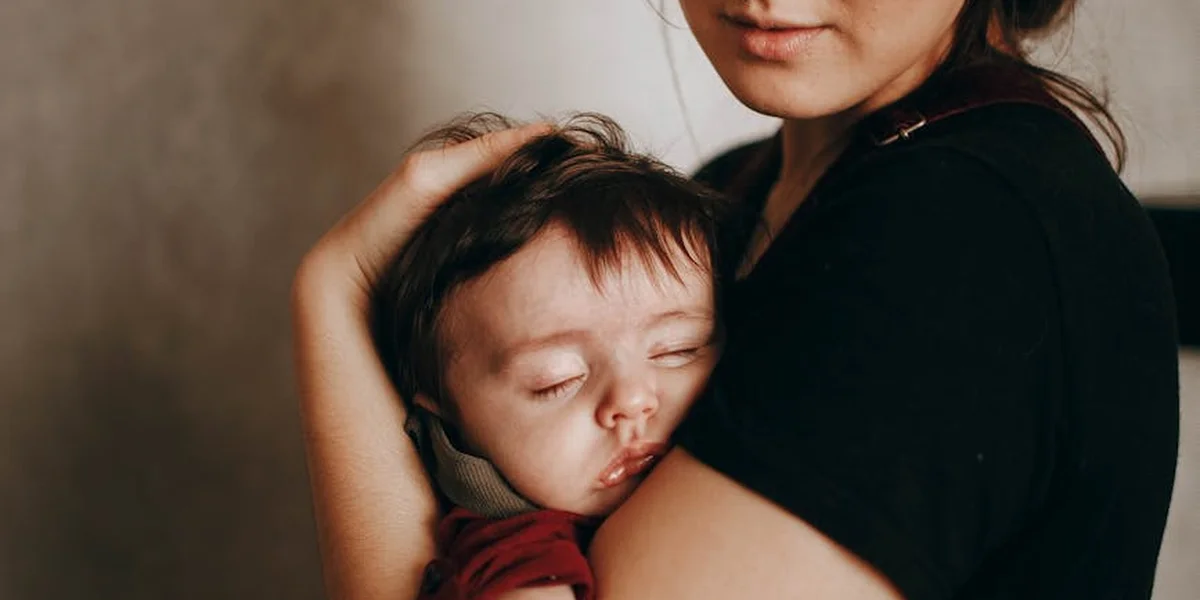
If nightmares are a distressing movie your child watches, a night terror is a visceral alarm going off in their nervous system. Witnessing a night terror can be profoundly frightening for a parent, precisely because your child seems both present and utterly absent. The key is to remember they are not in psychological distress; their body is having a physiological reaction during deep sleep. Similarly, nightmares can hint at fears our child’s ongoing worries or fears, offering a window into their inner world. By talking with them and providing reassurance, you can help them process those anxieties in safer, waking moments.
During the Storm: What a Night Terror Looks and Feels Like
The episode usually begins 1-3 hours after your child falls asleep, during that deep, non-REM slumber. It often lasts between 5 and 15 minutes. Your primary role is not to stop it, but to ensure your child is physically safe as their nervous system runs its course. Here is what you might observe:
- Abolute Terror: Your child may sit bolt upright, scream, thrash, or have a look of pure panic on their face.
- Unreachability: They will not recognize you or respond to comfort. Attempts to hold or wake them often increase agitation.
- Physiological Signs: A racing heart, sweating, and rapid breathing are common as the body’s “fight-or-flight” response activates.
- Abrupt End: As suddenly as it began, it stops. Your child will typically settle back into a peaceful sleep with no memory of the event by morning.
From my own experience as a parent, the most counterintuitive but vital advice is to not try to wake them. Stand your silent guard, gently prevent them from hitting the crib or bed rails, and speak in low, calm tones-not to wake them, but to soothe your own nerves. The storm will pass.
The Parent’s Compass: Identifying What Happens in the Night
That sudden cry from the dark can send your heart racing. Is it a bad dream or something deeper? Knowing the difference is your first tool for bringing peace. The haze of confusion is real, but the signs are distinct.
Nightmares: The Story-Driven Fear
Nightmares are vivid, scary dreams that jolt a child awake, usually in the second half of the night during intense REM sleep. I remember my own childhood nightmares—the stories were bizarre but felt utterly real. Your child will likely wake up fully, seek you out, and recall the unsettling plot. A monster in the closet, a scary chase, getting lost—these narratives stick. Do childhood dreams differ from adult dreams? Childhood nightmares are often concrete and fear-driven, while adult dreams tend to be more symbolic.
Key signs of a nightmare include clear memory of the dream, full wakefulness, and a need for comfort that logic can slowly soothe. Knowing these can help you interpret and overcome bad dreams.
Night Terrors: The Mystery of Deep Sleep
Night terrors are far more physical and enigmatic. They occur during non-REM sleep, often 1-3 hours after bedtime. Your child may seem violently awake—sitting up, screaming, eyes wide with terror—but they are still deeply asleep. The jolt of seeing them like this is profound. They won’t recognize you, won’t remember the episode in the morning, and trying to console them often increases their agitation. Threat simulation theory posits that nightmares evolved to rehearse responses to threats. Understanding this evolutionary purpose can help explain why such dreams feel vividly threatening, even if your child can’t recall them.
The hallmark of a night terror is a lack of conscious awareness during the event and zero recall upon true waking.
| Aspect | Nightmare | Night Terror |
| Sleep Stage | REM Sleep (later in night) | Deep Non-REM Sleep (earlier in night) |
| Wakefulness | Fully awake, alert, seeks connection | Appears awake but is asleep; confused, may not recognize you |
| Memory | Can often recall vivid details of the bad dream | No memory of the event the next morning |
| Movement | Usually still upon waking, then seeks comfort | May sit up, thrash, scream, or walk with eyes open |
| Soothing Response | Responds well to hugs, talking, and reassurance | Often inconsolable; may become more agitated by interaction |
Calming the Frightened Soul: Soothing Techniques and Bedtime Rituals

Your response shapes the emotional landscape of their night. The goal is not to prevent all scary dreams-that’s impossible-but to build a foundation of safety so potent it follows them into sleep.
Crafting a Peaceful Pre-Sleep Ritual
Think of the hour before bed as a gentle descent. We are slowly dimming the lights of the waking world. This ritual is your most powerful tool for mental well-being and healthy sleep hygiene.
A predictable, screen-free wind-down tells the nervous system it is time to rest, not to brace for uncertainty.
- The Power of a “Worry Release”: Keep a notebook by the bed. Invite your child to draw or dictate any fears. I’ve advised parents to literally “close the book” on worries, symbolically putting them away for the night.
- Story Selection: Choose books with themes of safety, bravery, and happy endings. Avoid stimulating or scary content. The last story’s feeling lingers.
- Calming Sensory Input: A few drops of lavender on a cloth near the bed, a weighted blanket, or soft, instrumental music can anchor the senses.
- Mindful Breathing Together: Practice “balloon breathing”-hands on belly, breathing in to fill the balloon, slowly breathing out. You are giving them a tool they can use if they wake afraid.
- Words of Safety: End with a specific, comforting phrase. “You are safe in your room. We are right down the hall. Your bed is cozy for dreaming.” This scripts their subconscious for security.
When a nightmare does strike, your presence is the antidote. Hold them, listen to the dream without judgment, and then gently guide the narrative. You might “rewrite” the ending together, giving them a magic shield or a friendly ally for next time. This practice builds emotional resilience.
For a night terror, your role is different. Stay calm, ensure they are physically safe from bumps or falls, and speak in soft, steady tones. Do not try to wake them. Simply be a peaceful, guarding presence until the storm passes, which it usually does within minutes. Trust your intuition-your steady breath in the dark is a lifeline their subconscious can sense.
When Shadows Linger: Warning Signs and Seeking Guidance
Most children dance with nighttime fears now and then, the scary images melting away with the morning sun. When those shadows start to cling, leaving a chill that lasts into the daylight hours, it’s a signal to look closer. I remember my nephew going through a phase where dragon dreams left him jittery at breakfast, a tangible haze of fear affecting his whole day.
Recognizing the Red Flags
Pay attention to patterns, not just single frightening events. Your intuition is a powerful tool for spotting when typical developmental stages shift toward something needing more support. Here are key warning signs that suggest it’s time to seek guidance:
- Frequency and Intensity: Episodes happen multiple times a week, or the child’s terror during them is escalating beyond normal soothing.
- Daytime Repercussions: You notice new daytime anxiety, fear of sleep, or changes in mood, concentration, or appetite.
- Physical Manifestations: Complaints of regular headaches or stomach aches emerge, often with no other medical cause.
- Behavioral Regression: A return to bedwetting, clinginess, or tantrums that you thought were outgrown.
- Prolonged Duration: The phase persists for several months without any improvement, despite your consistent comfort and routine.
Taking the Step Toward Professional Support
Seeing these signs can feel isolating, but you are not alone. Reaching out for professional guidance is a proactive step in nurturing your child’s mental well-being, not a sign of failure. Start with your pediatrician to rule out any underlying physical sleep issues. They can refer you to a child psychologist or a sleep specialist. These experts help unravel the emotional threads behind the dreams. They might use talk therapy, play therapy, or simple behavioral strategies tailored for young minds. Early intervention can transform nighttime from a battlefield back into a sanctuary.
Weaving a Tapestry of Peace: Long-Term Prevention and Understanding
Creating lasting calm is about more than quick fixes; it’s about building a foundation of security. Think of it as cultivating a garden where peaceful sleep can naturally grow, season after season. This involves blending practical sleep hygiene with deep emotional attunement.
Crafting a Sanctuary for Sleep
The environment where your child drifts off sets the stage for their entire night. Consistency in the bedtime ritual is the single most powerful tool you have for preventing disruptive sleep episodes. Engage the senses to signal safety:
- Soothing Sounds: Use a white noise machine or soft, instrumental music to blanket the room in consistent sound.
- Gentle Light: A dim, warm nightlight can chase away intimidating shadows without hindering melatonin production.
- Comfort Touch: Incorporate a calming back rub or the presence of a favorite stuffed animal into your routine.
- Screen Sunset: Power down all tablets, TVs, and phones at least one hour before bed-the blue light is a known dream disruptor.
Fostering Emotional Resilience by Day
Dreams are often processing the emotional leftovers of the day. Providing gentle avenues for your child to express worries and joys in daylight significantly reduces the need for nighttime processing. I’ve found that a simple “feelings check-in” during bath time or a drive home from school works wonders. Encourage creative play, drawing, or storytelling where they can be the hero of their own narrative. This practice builds inner strength. When children feel heard and empowered while awake, their subconscious mind has less urgent work to do at night.
The Parent’s Inner Compass
Your own calm is contagious. Children are exquisitely tuned to parental anxiety. Managing your own stress through mindfulness or brief meditation practices indirectly shields your child’s sleep world. Trust that you are the expert on your child. If a new fear emerges, address it with simple, honest reassurance during the day. Keep communication open and light. This long-term weave of physical routine and emotional openness creates a resilient fabric of peace that can hold them through many passing storms.
FAQs
What is the psychological meaning behind nightmares versus night terrors in children?
In dream interpretation, nightmares are viewed as the subconscious mind crafting narratives to process daily emotions and fears, often symbolizing unresolved stress or anxiety. Night terrors, on the other hand, are seen as more primal, physiological eruptions during deep sleep, reflecting nervous system overload rather than symbolic storytelling. Understanding these psychological roots can guide parents to address underlying emotional needs or adjust sleep environments for better harmony.
How are nightmares and night terrors similar from a dream interpretation perspective?
Both nightmares and night terrors are considered subconscious communications, highlighting inner emotional turmoil or unprocessed experiences in a child’s life. They share the role of alerting caregivers to hidden fears or developmental stresses, even if nightmares use vivid imagery and night terrors manifest as raw, non-verbal distress. This similarity underscores the importance of viewing both as cues to foster emotional safety and explore deeper meanings behind sleep disturbances.
What do night terrors in babies signify in terms of subconscious messages?
For babies, night terrors are often interpreted as subconscious signals of developmental milestones or overstimulation, as their pre-verbal state lacks the cognitive framework for dream narratives. They may represent the psyche’s way of integrating new sensory experiences or indicating a need for more predictable sleep rhythms. Recognizing this can help parents respond with soothing consistency, turning these episodes into opportunities for nurturing foundational trust and security.
From Fearful Nights to Peaceful Mornings
Remember, the most powerful tool you have is calm observation: distinguish the event, provide immediate comfort for a nightmare, and offer quiet supervision for a terror. Your consistent response-a safe sleep space and gentle daytime communication-builds the resilience your child needs.
View these mysterious nights not as a problem to solve, but as a profound window into your child’s inner world, waiting to be understood. With patience and insight, you can transform confusion into connection, paving the way for sweeter sleep for your whole family. Fear not the dark; here’s to peaceful nights.
At Night Omen, we delve into the fascinating world of dreams to uncover their deeper meanings and symbolism. Our team of dream interpreters and psychological experts is dedicated to providing accurate, insightful interpretations to help you understand the messages your subconscious is sending. Whether you’re seeking clarity after a vivid dream or simply curious about recurring symbols, our trusted resources guide you on your journey of self-discovery through the mysterious realm of dreams.
Nightmares