Ancient Egyptian Dream Interpretation: Symbols and Beliefs Explained
Published on: February 28, 2026 | Last Updated: February 28, 2026
Written By: Morpheous
Hello Dreamers, to the ancient Egyptians, your dreams were not random stories but vital messages from the gods and the spirit world, offering guidance, warnings, and a path to healing. I’ve felt that same sense of profound connection in my own dream journeys, where a single symbol can shift your entire perspective.
Let’s explore the hidden messages together. This guide will cover the sacred symbols from the Nile, the gods who spoke in sleep, and practical steps to decode your own nightly visions using their timeless wisdom.
Between Two Worlds: The Egyptian View of Night Visions
For the ancient Egyptians, a dream was never just a random story your mind told you. It was a sacred crossing point, a place where your everyday self met your spirit and the divine. The haze of sleep was a doorway, not a barrier.
They believed each person had multiple spiritual parts, most importantly the Ka (your life force and double) and the Ba (your personality or soul). During the day, these aspects were anchored within you. But at night? They could travel.
Sleep loosened the tether. In my own dreamwork, I’ve felt this-that sensation of floating free from daily worries into a vast, symbolic landscape. The Egyptians would say your Ba was journeying, venturing into the Duat, the mysterious world of gods and ancestors.
This is why a bad dream felt so physically draining. It wasn’t just a mood; it meant your traveling spirit faced chaos or hostile forces. A peaceful night’s sleep was a spiritual necessity, ensuring all parts of you returned safely at dawn.
So when you jolt awake, heart pounding, or float into consciousness with a sense of wonder, know this echoes an ancient truth. You’ve been a traveler between worlds.
The Temple of Sleep: Sacred Dream Incubation Practices
If dreams were messages, the Egyptians built sacred mailboxes: the dream incubation temples. People would travel for days to sleep in special chambers attached to temples of Serapis or Isis, hoping for a healing vision or divine answer.
The ritual was profound. After purification through bathing and prayer, you’d present an offering. Lying on a “dream bed,” you’d enter a state of focused intention, not unlike the mindfulness I practice before sleep to invite specific insights. The temple’s sacred energy was the amplifier.
Priests, Prophecy, and the Dream Book of Nekhtsobeh
You didn’t have to interpret your vision alone. Temple priests acted as spiritual guides and dream translators. They often consulted texts, the most famous being a papyrus now called the Dream Book of Nekhtsobeh.
This manual organized dreams into “good” and “bad” omens. But the interpretations were wonderfully specific and situational. It also covers common dream scenarios and the actions they imply. These notes help translate dreams into practical steps for waking life.
- Dreaming of drinking warm beer? A bad omen-trouble was brewing.
- Dreaming of drinking cold beer? A very good omen-your suffering would be cooled.
- Seeing a large cat? Excellent-a giant harvest was coming.
This shows they understood context was everything: the same symbol could have opposite meanings based on subtle details. Modern dreamwork echoes this, trusting your personal emotional context over a rigid dictionary. Some symbols seem universal across cultures, while many meanings are deeply personal. Understanding both perspectives helps you interpret dreams more accurately.
Amulets and Magic: Protection From Dark Dream Spirits
Not all dream travel was safe. The fear of encountering a malevolent spirit or a restless dead soul was real. For protection, they turned to amulets and spoken spells.
Sleeping with a wedjat (Eye of Horus) amulet was believed to ward off evil and ensure health. A headrest might be inscribed with a spell to repel nightmares. I think of this now when I choose a calming crystal or recite a simple intention for peaceful sleep-it’s the same human instinct to create a protected, sacred space for the vulnerable journey of the night.
This practice wasn’t about superstition; it was about psychic hygiene. By ritually setting an intention of safety, they actively reduced the fear that could invite turbulent dreams. Your pre-sleep routine is your modern incubation ritual. Make it count.
Decoding the Gods: Divine Messengers in Your Dreams
When a god appeared in an Egyptian’s dream, it was a direct and potent event. But the divine rarely showed up in a glowing, obvious form. They used symbols, animals, and enigmatic scenes. Here’s how you might interpret such visions today. So what does it mean when a god appears in your dreams? Many traditions view it as a message or a reflection of inner guidance, rather than a literal visitation.
If you dream of a falcon or a figure with a falcon head, think of Horus. This could signal a call to protect what’s sacred to you or to heal from a past betrayal. Are you seeing a situation from a “higher perspective”?
A dream featuring a cow, or a woman with cow’s ears, channels Hathor, goddess of love, music, and joyful abundance. Her appearance might ask you to nurture yourself or others with more gentleness, or to invite more beauty and celebration into your waking life. I’ve seen her energy in dreams filled with unexpected music or overwhelming maternal warmth.
Dreams of flooding Nile waters, or of lush, regenerative growth, speak of Hapi, the god of the annual inundation. This is a powerful symbol of emotional or creative renewal. Are you on the brink of a fertile new phase? Your subconscious may be preparing you for abundance.
An encounter with a jackal or a dark, guiding figure evokes Anubis, the guardian of thresholds. He doesn’t mean literal death. He often appears when you’re in a period of major transition-ending a job, a relationship, an old identity. He is the psychopomp, guiding you through the necessary ending so a new beginning can emerge.
A Guide to Sacred Symbols: Your Egyptian Dream Dictionary
Let’s translate the stone-carved language of your sleeping mind. Ancient Egyptians saw dreams as a direct line to the divine, where every symbol was a sacred message waiting to be decoded. Are these common spiritual dream symbols universal in their meanings, or do they shift with culture and personal experience? I remember the first time an Egyptian symbol surfaced in my own dreams—a vast, silent pyramid—and the deep curiosity it sparked that led me down this path of study.
Use this table as your personal key. Focus not just on the object, but on the emotion it stirred in your dream; that feeling is the true compass for your interpretation. Pair this with the dream wheel chart for quick symbol interpretation. It lets you map common dream symbols to meanings at a glance.
| Symbol | Ancient Egyptian Interpretation | Your Modern Dream Insight |
|---|---|---|
| Scarab Beetle |
This dung-roller symbolized the sun’s eternal cycle, representing transformation, resurrection, and protection. Finding one was a promise of renewal. |
A scarab in your dream often highlights an area of your life that is preparing for a profound and positive rebirth. I felt a jolt of awe seeing one in my dream after a personal loss, a clear signal from my subconscious to begin healing. These healing dreams reveal their purpose: to help the psyche process loss and guide us toward restoration. By listening to their symbols, we can understand what needs healing and how to move forward. |
| The Ankh (Key of Life) |
Held by gods and pharaohs, this cross with a loop was the ultimate emblem of life force, vitality, and immortal spirit. |
Dreaming of an ankh asks you to recognize your own vital energy and where you might be blocking your zest for living. It’s a beautiful reminder to trust your innate vitality. |
| Eye of Horus (Wedjat) |
This powerful amulet meant healing, protection, and the restoration of wholeness after conflict or injury. |
This symbol appears when your psyche is working to heal a wound, offering comfort and a sign of regained perspective. Its vivid colors in a dream can point to the specific sense needing restoration. Do scars or wounds in dreams symbolize the mind’s attempt to process past hurts? They can reflect healing and the path toward resilience. |
| The Nile River |
As the source of all fertility and life, the Nile represented the flow of time, emotion, and spiritual sustenance. |
A dream Nile’s condition mirrors your emotional state: calm waters suggest peace, while flooding may signal overwhelming feelings. Notice if you are swimming with or against the current. |
| Cat |
Sacred to the goddess Bastet, cats embodied protection, mystery, intuition, and benevolent magic. |
A dream cat encourages you to embrace your independent, intuitive side and to move through life with graceful curiosity. Is the cat friendly or aloof? That hints at how you view your own intuition. This ties into the broader question of what a dream about cats means and the spiritual meanings explained. Exploring this can help translate the dream’s message into insight about your intuition and life path. |
Keep a glass of water by your bed. This simple act, much like the Egyptians’ reverence for water as a purifier, can improve dream recall and signal to your mind that its visions are valued. A brief mindfulness moment before sleep—just a few minutes of slow breathing and gentle attention—can sharpen how clearly you remember dreams. Pairing the water ritual with meditation strengthens your awareness as you drift into sleep, boosting dream recall.
Walking Like an Egyptian: Applying Ancient Wisdom Tonight
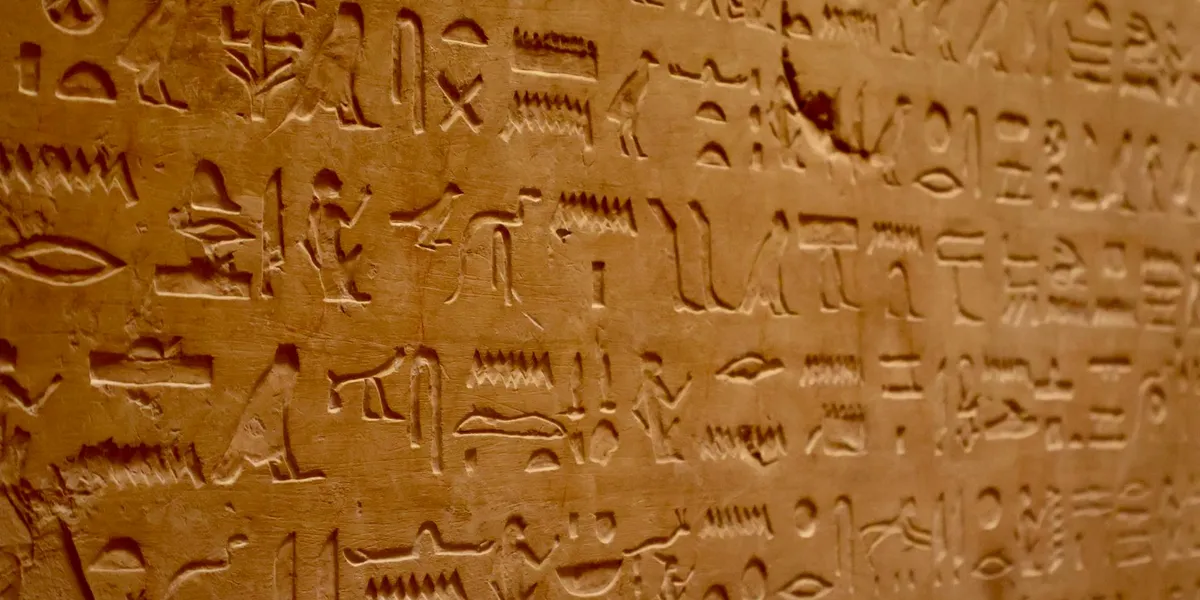
You don’t need a stone temple to use this wisdom. Applying these ancient practices is about creating a mindful bridge between your day and your dream world, honoring sleep as sacred time. The haze of my own dream memories became clearer when I started a simple pre-sleep ritual.
Follow these steps to invite clarity.
-
Set a Sacred Intention Before Sleep. Egyptians believed dreams were answered requests. Whisper a gentle question to yourself as you lie down, like “What do I need to heal?”
-
Keep a Dream Journal at Your Bedside. Use any notebook. Writing fragments immediately upon waking captures details that vanish with the jolt of daylight, just as temple scribes recorded visions.
-
Speak Your Dream Aloud. Giving voice to the dream, even quietly, helps solidify its narrative and can reveal hidden emotions in the tone of your own telling, especially if you dreamed about your own voice or found yourself unable to speak.
-
Connect Symbols to Your Waking Life. Look at your journal. For each Egyptian symbol, ask yourself: “Where in my current life does this energy of transformation, protection, or flow feel relevant?” Your first gut answer is usually the right one.
Trust the quiet voice that links the scarab to your new project or the Nile to your current emotions. This practice of linking dream symbols to daily life actively reduces fear by making the unknown feel familiar and manageable. Your mind is offering you gifts of insight; receive them with a calm heart.
Prioritize restful sleep hygiene-a dark, cool room free of screens. Your brain, like the ancient dream interpreters, needs still and fertile ground to cultivate its most meaningful messages. I found my own dreams became more vivid and reassuring when I began protecting my sleep time as diligently as any ritual.
FAQs
How does Ancient Egyptian dream interpretation relate to dreams in the Bible?
Ancient Egyptian dream interpretation and biblical dream narratives, like those of Joseph and Daniel, share a common belief in dreams as divine messages, but they stem from distinct cultural traditions. While Egyptian priests, often called “scribes of the house of life,” interpreted dreams using texts like the Dream Book of Nekhtsobeh, the term “baru” refers to Mesopotamian diviners, not Egyptian priests. You can explore these parallels by studying comparative religious texts to see how different ancient cultures valued nocturnal visions.
Are there any recommended books for learning about Egyptian dream interpretation today?
Beyond ancient papyri, modern books such as “The Dream Book of Ancient Egypt” by Jeremy Naydler or “Egyptian Dream Interpretation” by Denise Loew provide accessible insights into symbols and practices. These resources often translate historical concepts into practical tools for contemporary dreamwork, allowing you to apply Egyptian wisdom without needing original texts. Checking academic publishers or spiritual study sections in bookstores can help you find these guides.
Where can I find reliable PDFs on Ancient Egyptian dream interpretation?
Reputable PDFs, including translations of the Dream Book of Nekhtsobeh or academic papers, are often available through online archives like Google Scholar, JSTOR, or university library websites. You can search for terms like “ancient Egyptian dream papyrus PDF” to access free or purchasable documents for personal study. Always verify the source to ensure accuracy, as this helps in building a trustworthy knowledge base for your interpretation practice.
Dreaming With the Eyes of the Ancients
Ancient Egyptian wisdom invites you to view your dreams as meaningful maps, charting emotions and hidden truths through potent symbols like scarabs and rivers. Hold these symbols lightly in your mind, letting your personal feelings and current life situation guide their true meaning for you.
Remember, your dreaming mind is a compassionate friend, not a frightening oracle, using these ancient images to speak to you. So rest easy, trust the process, and may your nights be filled with illuminating and happy dreams.
At Night Omen, we delve into the fascinating world of dreams to uncover their deeper meanings and symbolism. Our team of dream interpreters and psychological experts is dedicated to providing accurate, insightful interpretations to help you understand the messages your subconscious is sending. Whether you’re seeking clarity after a vivid dream or simply curious about recurring symbols, our trusted resources guide you on your journey of self-discovery through the mysterious realm of dreams.
Cultural Interpretations