How Culture Influences Dream Interpretation: A Guide to Your Nightly Visions
Published on: December 9, 2025 | Last Updated: December 9, 2025
Written By: Morpheous
Hello Dreamers, Culture is the silent storyteller in your dreams, shaping every symbol and emotion into a meaning that resonates with your deepest beliefs and societal roots. That jolt of waking up with a vivid image feels personal, but its interpretation is often a dance between your subconscious and the cultural world you live in.
In this article, we will explore how hidden messages are decoded through different cultural lenses. Get ready to see how:
- Universal dream symbols transform uniquely across traditions
- Collective myths and spiritual practices color your personal dream analysis
- Understanding cultural context reduces fear and enriches your self-discovery journey
The Cultural Lens: How Beliefs Shape Our Dream World
Our dreams are not born in a vacuum. They rise from a mind steeped in the stories, values, and spiritual truths of our community. The bedrock of how we understand our nightly visions is formed long before we even have our first memorable dream.
In my own journey, I’ve felt my interpretations shift as I learned different systems. The same dream image took on entirely new meanings. Our cultural background acts as the primary translator for the mysterious language of our subconscious.
Let’s look at a few distinct frameworks:
- Indigenous Animism: Here, dreams are often seen as real journeys or communications. The dream world is an extension of reality, where one can receive messages from ancestors, animal spirits, and the land itself. A dream is less about internal psychology and more about relational and spiritual ecology.
- Western Psychoanalysis (Freudian/Jungian): This lens turns the gaze inward. Dreams are a theater of the self, revealing repressed desires (Freud) or facilitating dialogue with archetypes and the process of individuation (Jung). The symbolism is personal, yet Jung’s concept of the collective unconscious suggests a shared layer of psychic inheritance filled with universal archetypes that appear in all our myths and dreams.
- Eastern Spiritual Traditions: In Hinduism and Buddhism, dreams might be explored as manifestations of the mind’s attachments or as states of consciousness (like the dream yoga of Tibetan Buddhism) to be mastered on the path to enlightenment. They can be illusions (Maya) or tools for spiritual practice.
Folklore and myths are the lifeblood of this collective layer. The stories we hear as children-of tricksters, heroes, and monsters-don’t just entertain us. They move in, taking up residence in the shadowy corners of our psyche, ready to star in our most vivid dreams. That creature chasing you might not just be personal anxiety; it could be an ancient, cultural fear wearing a new mask.
Symbols in the Subconscious: Cultural Code in Dream Imagery
A snake is never just a snake. The jolt of fear or flash of fascination you feel upon seeing one in a dream is filtered through a cultural prism. Dream symbolism is a complex, deeply personal code, and the cipherbook is written by your upbringing. Does a dream about snakes come with a complete symbolic guide? Not exactly, but a thoughtful symbolic guide helps translate its message into your own life.
Understanding this coding is the first step toward a truly personal interpretation that honors your entire being. A symbol’s meaning can flip entirely based on where you, or your ancestors, call home.
| Dream Symbol | Common Western Interpretation | Interpretation in Other Cultural Contexts |
|---|---|---|
| Dog | Loyalty, friendship, or instinct. | In some Middle Eastern and Asian cultures, dogs can be seen as impure or represent negative traits, altering the dream’s emotional tone. |
| Snake | Deception, temptation, or hidden threats. | In Hinduism, it can represent Kundalini energy and spiritual awakening. In many Indigenous cultures, it is a powerful healing symbol and a connector to earth wisdom. |
| Water (Ocean/River) | The unconscious mind, emotions, the flow of life. | In Chinese philosophy, it’s closely tied to the flow of Chi and prosperity. In desert cultures, it can overwhelmingly symbolize life, survival, and divine blessing. |
Color symbolism also shifts dramatically. While white often means purity in the West, it is the color of mourning in parts of Asia. Gender roles prescribed by your culture can shape how you perceive male and female figures in your dreams. Even the haunting figure from a local urban legend can become a recurring character in your dream narrative, a perfect blend of collective fear and personal psyche. The specific details-the color of the dress, the time of day, the landscape-are your subconscious weaving universal themes with the unique thread of your cultural story.
Rituals and Recall: Cultural Practices for Dream Engagement
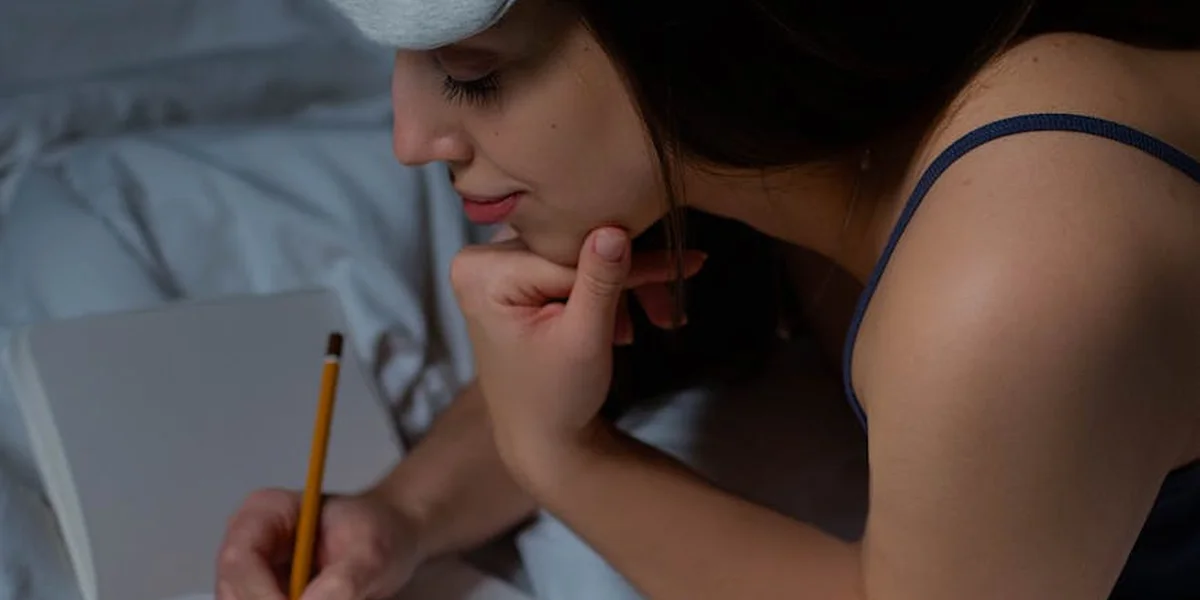
Culture doesn’t just tell us what our dreams mean; it teaches us how to approach them. From the moment we prepare for sleep, rituals guide our subconscious toward clarity and communication. These practices are ancient invitations for the dream world to speak more clearly. Across cultures, dream interpretation has been valued in diverse ways throughout history. Some traditions view dreams as omens or messages from the divine.
Many traditions use dream incubation, a purposeful ritual to request a specific dream or answer. Here’s a simplified blend of ancient steps I’ve adapted:
- Set a Clear Intention: Before sleep, quietly and firmly state your question or the guidance you seek. Write it down.
- Create a Sacred Space: This could mean lighting a certain herb, placing a symbolic object under your pillow, or simply arranging your bedroom for peace.
- Focus Your Mind: Meditate on your intention as you drift to sleep, holding the question in your heart, not just your head.
Modern sleep hygiene is our culture’s version of this ritual. Turning off blue lights, maintaining a cool room, and keeping a journal by the bed are all acts of reverence for the dreaming self. These practices signal to your subconscious that its productions are valued and awaited.
Community sharing is perhaps the most powerful ritual of all. In many cultures, dreams are shared with elders, healers, or the community at dawn. This act validates the dream’s importance and allows for collective wisdom to aid interpretation. Trying this with a trusted friend can transform a confusing nightmare into a profound insight. Speaking a dream aloud takes it from the hazy, private realm and brings its magic into the light of day, where healing truly begins. This is especially meaningful when considering shared dreams and their possible implications.
Language and Narrative: How Words Frame Our Dream Stories
The moment you try to describe a dream, you are translating. You are taking a raw, sensory experience—a cascade of images and emotions—and forcing it into the structure of your language. This act of translation isn’t neutral. Your native language provides the very framework through which you recall and make sense of your nocturnal adventures. It’s the loom on which you weave the scattered threads of memory into a coherent story. To help interpret your dreams, you can consult dream dictionaries that translate common symbols into potential meanings. They offer a starting point to map imagery to personal insight.
Linguists explore the Sapir-Whorf hypothesis, the idea that the structure of a language influences its speakers’ worldview. In dreaming, this is powerfully evident. A language with many specific words for family relationships might shape how you dream of an ancestor. A language where verbs don’t specify tense might allow a dreamer to hold past and present in a more fluid, simultaneous state when recounting it. The grammar and vocabulary you possess create the boundaries of your dream narrative, highlighting some details and obscuring others.
In my own practice, I’ve noticed that when I journal a dream in English, my second language, it becomes more analytical. When I switch to my native tongue, the emotional texture returns-the subtle ache of a word, the warmth of a colloquial phrase. The fear feels closer to the bone.
- Tip for Deeper Recall: Always journal your dreams in the language you dream in, or your first emotional language. Don’t edit or translate as you write. Let the words flow in the dialect of your heart to preserve the unique emotional fingerprint of the experience.
- Why This Works: This practice bypasses the analytical filter. It captures the visceral feeling before the mind can tidy it up into a “sensible” story. You keep your personal mythos intact.
Cross-Cultural Comparison: Universal Themes vs. Cultural Specifics
Some dream images seem to echo across the globe, while others are deeply local. Understanding this dance between the universal and the cultural is key to sensitive interpretation. Universal themes touch on shared human physiology and primal fears; cultural specifics dress those themes in local costume and meaning.
Think of it through ethnopsychology, which examines how cultural concepts shape mental life. A person raised in a bustling metropolis and a person from a remote, quiet village will both dream of “being chased”-a universal theme rooted in survival anxiety. But the *content* of that chase, the symbols involved, will be profoundly different.
- Universal Theme (The Core Feeling): Falling. The sensation of losing control, anxiety, a primal fear.
- Cultural Specifics (The Local Expression):
- In a coastal society, falling might be into a whirlpool.
- In a high-rise urban environment, falling is likely from a skyscraper.
- In a mountainous region, it could be from a cliff.
Acculturation-adapting to a new culture-creates fascinating, blended dream symbols. I once worked with someone who dreamed of a traditional ancestral spirit figure trying to board a speeding subway train. This potent image perfectly captured their inner conflict between honoring heritage and keeping pace in a fast-moving new world. The subconscious mind is a brilliant artist, using all the materials in its cultural toolkit to paint a picture of your inner state.
Cross-Currents: Globalization and Blended Dream Interpretation
Today, our inner dreamscapes are more culturally layered than ever before. We might be raised with one set of traditions, consume media from another continent, and practice spirituality borrowed from a third. This beautiful, complex blending creates a unique symbolic language within you. I’ve personally dreamt of my grandmother’s house, a potent symbol from my own heritage, only to find it guarded by a figure from a myth I’d read about weeks prior. The dream felt both familiar and strangely foreign, a perfect reflection of my own blended influences. It made me ponder about the universal vs. personal meanings of dream symbols.
This global fusion makes personal dreamwork incredibly rich, but it also introduces a crucial challenge: interpreter bias. A well-meaning analyst or popular dream dictionary rooted in one tradition might completely misread a symbol that holds a different, more personal charge for you. An image that signifies prosperity in one culture might whisper of obligation in the family lore you unconsciously carry, making generic interpretations feel unsatisfyingly off-mark. Finding guidance that respects this complexity is key to accurate, healing interpretation of personal symbols vs. universal archetypes.
So, how do you navigate this personal mosaic of meaning? The work moves from simply looking up symbols to becoming a curator of your own psyche’s cultural archive. You are the only one who can truly untangle the threads of your experience. Begin by treating your dream’s setting and symbols with curious detachment, asking where each element might have originated in your waking life. Let symbolism map your inner landscape. It acts as a compass, guiding your dreams on the journey inward.
To help you map your unique symbolic landscape, sit quietly with these reflective questions after you record a vivid dream:
- Does this dream image, character, or object connect to my familial or ethnic heritage? What stories did my family tell?
- Have I recently read a book, watched a film, or engaged with art from a culture different from my upbringing?
- What spiritual or philosophical systems (yoga, Buddhism, astrology, etc.) do I actively study or practice?
- Does the emotion in the dream align more with my personal lived experience or with a narrative I’ve absorbed from outside?
- When I sit with this symbol, what is my body’s instinctive reaction-does it feel inherited, borrowed, or deeply and uniquely mine?
This mindful interrogation reduces the noise of external assumptions. Your most accurate interpretation arises when you cross-reference the classic symbolism with the intimate context of your own life’s cultural weave. A snake in your dream might universally speak of transformation, but its specific message is colored by whether your background frames it as a deceiver, a healer, or a sacred ancestor. Honor that specificity. Trust that your subconscious is a brilliant, eclectic artist, drawing from the entire palette of your life to paint a message meant solely for you.
The Personal Myth: Cultural Identity and Emotional Dream Tone
Your cultural background whispers into your ear long after you fall asleep, painting the emotional landscape of your dreams with familiar hues. The feeling you wake up with-that vague unease or sudden joy-is often tinted by the social norms and values you absorbed growing up. I recall a dream where I was endlessly preparing a meal for a large, silent family, a direct echo of my own upbringing where food equaled love and obligation. The anxiety in that dream wasn’t just about cooking; it was my internalized culture speaking about duty and belonging.
These internalized beliefs act like filters for your subconscious stories. Consider how dreams might play out differently based on unspoken rules:
- Gender & Role Expectations: A dream about leading a meeting might feel empowering in one context, but laden with guilt in another if your culture emphasizes humility over individual achievement.
- Family Honor & Conflict: Arguments with a parent in a dream can carry the heavy weight of filial piety, making the emotional fallout upon waking feel disproportionately intense.
- Success & Failure: The visceral panic of failing a test in a dream can be magnified in cultures where academic success is tightly woven into family reputation and future security.
Recognizing this link is a powerful step toward emotional healing. When you trace a dream’s fierce emotion back to a cultural script, you lessen its power to confuse you and reclaim your personal narrative. It turns dream analysis into a loving act of self-discovery, separating what you truly feel from what you were taught you should feel.
Spirituality and Religion: Divine Messages and Ancestral Visits
Underneath the broad umbrella of cultural identity, spiritual and religious frameworks give dreams a specific, profound authority. For many, the dream space is not a psychological playground but a sacred chamber for communication with the divine or the departed. This belief fundamentally reshapes how a dreamer interacts with their waking world, moving from curiosity to reverence or actionable guidance. In this frame, many seek the spiritual meaning and interpretation of dreams to uncover guidance beyond waking life. Interpreting dreams becomes a practice of listening for the divine language in symbols.
Views on this divine dialogue vary beautifully across traditions, directly influencing interpretation:
- In Abrahamic faiths like Islam and Christianity, dreams can be seen as legitimate prophecies or moral warnings, prompting a believer to prayer or a change in conduct.
- Indigenous spiritualities often frame dreams as visits from ancestors or spirit animals, offering wisdom that requires acknowledgment and sometimes ritual response.
- Eastern philosophies like Hinduism and Buddhism may interpret dream figures as manifestations of personal karma or illusions to be seen through on the path to enlightenment.
I remember waking from a vivid dream of my grandmother, who passed years ago, feeling a calm so deep it erased my grief for days. In my cultural context, that wasn’t just a memory; it was a visitation, and trusting that intuition provided immense comfort. Whether you view such dreams as psychological processing or spiritual truth, honoring their emotional impact fosters mindfulness and deepens your connection to something larger than yourself. This trust in the dream’s significance can transform wakefulness, making you more attentive to signs and more compassionate in your actions.
Common Questions
Are dream interpretations culturally contingent?
Yes, absolutely. The meaning assigned to any dream symbol or narrative is heavily dependent on the cultural framework of the interpreter. A symbol like a snake or a specific color can have opposing meanings across different traditions. Therefore, understanding the cultural lens being applied is crucial for an accurate and resonant interpretation of your own dreams. In many traditions, colors in dreams carry spiritual significance, signaling inner truths or guiding moral lessons. Attuning to these color meanings can deepen your understanding of the dream.
Do cultural rituals affect dream recall?
They can significantly enhance it. Many cultures have specific pre-sleep rituals, like dream incubation or creating a sacred space, that signal to the subconscious the importance of remembering. Practices such as community dream-sharing at dawn also reinforce the value of dreams, training the mind to prioritize and retain these experiences upon waking.
Can cross-cultural comparisons reveal universal vs. culture-specific dream themes?
Yes, they are essential for this distinction. Comparisons show that while core emotions like fear or anxiety are universal, the specific imagery and narratives that express them are culturally dressed. Recognizing this helps you separate primal human experiences from the unique cultural symbols your subconscious uses to communicate them, leading to a more nuanced self-understanding.
Weaving Your Unique Dream Tapestry
Your cultural background is a powerful lens, coloring the symbols that visit you at night. Honor this perspective by blending ancestral wisdom with your own intuitive feelings for the richest understanding.
Let this insight comfort you, turning confusion into curious exploration. Sleep well, dream deeply, and fear no more-your subconscious is beautifully conversing in the dialect of your soul.
At Night Omen, we delve into the fascinating world of dreams to uncover their deeper meanings and symbolism. Our team of dream interpreters and psychological experts is dedicated to providing accurate, insightful interpretations to help you understand the messages your subconscious is sending. Whether you’re seeking clarity after a vivid dream or simply curious about recurring symbols, our trusted resources guide you on your journey of self-discovery through the mysterious realm of dreams.
Cultural Interpretations