The Art of Dream Interpretation in Ancient Greece: Temples, Oracles, and Meanings
Published on: February 27, 2026 | Last Updated: February 27, 2026
Written By: Morpheous
Greetings, Dreamers. In Ancient Greece, your dreams were revered as direct, divine messages-a sacred dialogue with the gods meant to offer healing, guidance, and prophetic insight to ease your waking mind. The haze of sleep was not a mystery to fear, but a portal to understanding.
From my own years tracing dream symbols back to their roots, I’ve felt the resonant truth in these ancient practices. This journey into the past will illuminate the hidden messages within your own nightly visions by exploring three core pillars of Greek oneiromancy:
- Incubation Temples where seekers slept for divine healing and clarity.
- Sacred Oracles who served as interpreters of the gods’ will through dreams.
- Enduring Symbolic Meanings that reveal profound truths about your inner world.
Understanding this art encourages not only self-discovery but also a peaceful sleep hygiene and a trusting relationship with your intuition. The vivid colors and emotional jolts of your dreams find a timeless echo here.
Dreams as Divine Messengers: The Greek Belief in Sacred Communication
For the ancient Greeks, every dream shimmered with potential divine contact, a direct line to gods or the whispering dead. This worldview transformed sleep from mere rest into a sacred conversation, where the subconscious mind became a receiver for higher truths. They believed dreams held significant spiritual meaning and insight. I’ve often felt a similar awe upon waking from a vivid dream, that sense of a message larger than myself. They distinguished between oneiroi, prophetic dream spirits, and enhypnia, ordinary dreams from daily life.
The key was in the clarity and emotional weight of the vision. A true divinatory dream arrived with a jolt of certainty, its images etched in memory unlike the haze of common sleep. Which guidance should you trust— the waking intuition or the dream’s message? I’ve learned to weigh both by their consistency with daily life and ethical resonance. Trusting this intuition is a practice I advocate for even now, as it fosters a deeper connection to your inner wisdom.
Core Beliefs About Sacred Dreams
- Dreams were deliberate communications, not random neural firing.
- Gods like Apollo or Hermes sent warnings, prophecies, and guidance.
- Ancestral spirits used dreams to advise or resolve unfinished matters.
- Interpretation required skilled seers, as symbols were a divine language.
- Ignoring such a message risked divine disfavor or missed fate.
Gods of the Night: Hypnos, Morpheus, and the Oneiroi Dream Spirits
The Greeks personified sleep and dreams into a family of deities, giving form to the mysterious process we experience every night. Hypnos, the god of Sleep, was envisioned as a gentle winged being who could soothe even Zeus. His son, Morpheus, was the master craftsman of dreams, shaping believable human forms that visited sleepers.
Morpheus worked alongside his brothers, the Oneiroi, a troop of dream spirits. These spirits flowed from two gates: gates of horn for true dreams and ivory for false ones, a metaphor I reflect on when discerning my own dream truths. Their mythology explains why some dreams feel profoundly real while others dissolve by morning.
| Deity | Role | Symbols | Influence on Dreams |
|---|---|---|---|
| Hypnos | God of Sleep | Poppy flowers, wings, a quiet demeanor | Brought the state of sleep necessary for dreaming; ensured restorative rest. |
| Morpheus | Shaper of Dreams | Wings, a mask, mastery over form | Crafted the vivid human figures and scenarios within dreams. |
| The Oneiroi | Collective Dream Spirits | Dark wings, emerging from gates | Delivered the content of dreams, both prophetic and deceptive, to mortals. |
Invocation in Rituals and Dream Narratives
People invoked these gods through evening prayers and simple rituals to steer their dream journeys. I sometimes adopt a similar mindful practice, asking for peaceful sleep or insight before bed, which greatly improves my dream recall. They might leave offerings to Hypnos for a night free of restlessness.
In epic tales, these deities are active characters. Homer describes Zeus dispatching an Oneiros to deliver a misleading dream to Agamemnon, showing how dreams were wielded as tools by the gods. This narrative presence reinforced the cultural belief that every dreamscape was divinely orchestrated.
The Asclepieion Healing Temples: Dream Incubation for Physical and Spiritual Cure
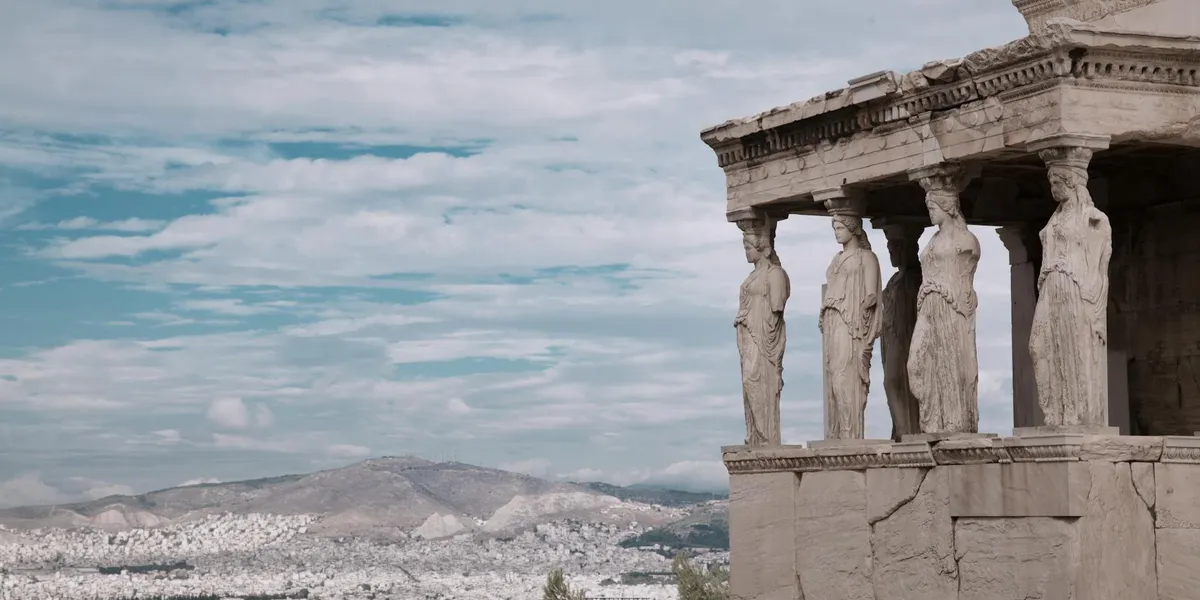
The Asclepieia were sanctuaries dedicated to Asclepius, the god of medicine, where healing was pursued through a practice called dream incubation. This ancient method recognized the deep link between mental well-being and physical health, a concept modern science continues to affirm. Sufferers traveled great distances for this holistic cure, sleeping within sacred precincts to receive diagnostic or healing dreams.
The Practice of Temple Sleep
Incubation was a structured spiritual therapy designed to open the mind to divine healing. The process began with purification, washing away not just dirt but anxiety and fear, much like how a calming bedtime routine today can set the stage for insightful dreams. Patients sought a dream visitation from Asclepius or his sacred serpent.
The Step-by-Step Incubation Rite
- Ritual Purification: Bathing in cold springs and fasting to cleanse the body and focus the mind.
- Offerings and Prayers: Presenting votive gifts at the altar of Asclepius to invite his presence and favor.
- Sleeping in the Abaton: Lying on a special skin (kline) in the temple’s inner sanctum, a place charged with divine energy.
- Dream Recording: Upon waking, immediately recounting every detail to a priest, the Asklepiad, for analysis.
- Prescription and Cure: Implementing the dream’s advice, which could involve surgery, herbal remedies, or lifestyle changes.
The Asklepiad priests were the original dream therapists, skilled in symbolic interpretation. They believed the god might appear in a dream to touch the afflicted area or perform a symbolic cure, like a snake licking a wound. This direct dream healing underscores the power the ancients placed on the subconscious mind’s role in wellness. In my own experience, paying attention to dreams about my body has often highlighted stresses I needed to address.
Apollo’s Oracle and Dream Prophecy: Seeking Future Visions at Delphi
The haze of incense in Apollo’s temple at Delphi wasn’t just for atmosphere. It was a gateway. For the ancient Greeks, dreams weren’t merely personal; they were a divine broadcast, and the Pythia-Apollo’s priestess-was the ultimate receiver. I’ve often felt that profound dreams have this oracular quality, a sense of receiving a message not fully my own.
Priests at Delphi and sacred sites like the Asklepieia acted as divine technicians, interpreting the dream-visions of seekers for prophetic guidance. They understood that in the liminal state of enkoimesis (ritual sleep), the veil between present and future was tissue-thin.
History is dotted with these prophetic dreams. Alexander the Great famously dreamt of an eagle before the siege of Tyre, interpreted as a sign of Zeus’ favor for victory. The playwright Aeschylus wrote whole tragedies inspired by divine dream-commands. These accounts show us that dreams were treated with immense seriousness, as direct memos from the gods concerning fate and statecraft.
Divine Proclamations vs. Personal Symbols
But here’s a crucial distinction the ancients grasped: not every dream of a loaf of bread was a prophecy. There was a hierarchy. A divine prophetic dream (oneiros) had a clarity and authority that felt external. Your everyday symbolic dream (enhypnion) was more muddled, dealing with daily anxieties and bodily humors. Together, symbolic dreams and processing dreams offer a path to understanding true purpose. They differ in immediacy of message, but both guide the dreamer toward waking insight and a clearer sense of purpose.
The key was in the dream’s texture. A prophetic vision left a jolt of certainty upon waking.
- A Direct Message from a Deity: Apollo, Athena, or Asclepius appearing and speaking plainly was the highest form of prophecy.
- Symbolic Omens: Dreaming of an eagle clutching a lightning bolt (Zeus) before a battle, or a splintered ship mast before a voyage.
- Dreams in Sacred Space: Any vision experienced during temple sleep was considered privileged communication, more likely to be prophetic.
- Recurring Visitations: The same clear symbol or figure appearing multiple nights was seen as a persistent divine warning or instruction.
This ancient practice reminds us to trust the visceral impact of a dream; some feel like personal processing, while others truly feel like messages for our path forward.
Decoding the Symbolic Language: A Greek Dream Dictionary of Common Motifs
The Greeks were master symbolists. They believed every element in a dream was a piece of a puzzle, with meanings shifting based on context, emotion, and the dreamer’s life. A snake could spell death or miraculous healing, depending on its actions. I recall a dream where clear, flowing water brought me immense calm, mirroring this ancient link between water and emotional state. Does it mean to dream about snakes? This is a doorway into a complete symbolic guide on interpreting such dreams.
Their interpretations weren’t random; they were woven from myth, nature, and daily life. Understanding this code is like learning the subconscious language of an entire civilization.
Ancient Symbols and Their Enduring Echoes
| Symbol | Ancient Greek Meaning | Modern Parallel |
|---|---|---|
| Snake | Ambivalent: Sacred to Asclepius (healing, regeneration). Also, a chthonic symbol (underworld, hidden threats). A calm snake signaled health; an attacking one, betrayal or sickness. | Personal transformation, healing, or a hidden fear “shedding its skin.” Jung saw it as transformative energy. |
| Water | The state of the soul. Calm, clear water meant emotional balance and good fortune. Stormy, dark water warned of turmoil, depression, or uncontrollable passions. | Emotional state and the unconscious mind. Depth and clarity (or lack thereof) of your feelings. |
| Eagle | The messenger of Zeus. Symbolized supreme authority, victory, and divine favor. Soaring freely was an excellent omen for ambition. | A call to embrace a higher perspective, spiritual insight, or personal authority. |
| Keys | Literal and metaphorical access. Finding a key meant solving a problem or gaining an opportunity. Losing one warned of missing a crucial chance. | Unlocking potential, accessing hidden knowledge, or the solution to a personal dilemma. |
| Olive Branch | Sacred to Athena. Represented peace, wisdom, prosperity, and victory earned through strategy, not brute force. | A need for peace, diplomacy in a conflict, or the integration of wisdom into a challenging situation. |
Context was everything: dreaming of an eagle fleeing a snake had a vastly different meaning than an eagle triumphantly carrying one away. The emotional weather of your dreamscape-the colors, the light, the felt sense-was the true key to interpretation, a principle that remains the bedrock of understanding our dreams today.
The Ritual of Dream Incubation: Ancient Steps Adapted for Modern Practice
Guidance: Translate ancient Greek incubation rites into actionable steps for today’s dreamers. Include preparation, setting intention, sleep environment, and journaling upon waking.
Guidance for Subsection: Present this as a numbered list (4-6 steps) blending historical ritual with contemporary mindfulness tips.
-
Purify Your Space and Mind. Ancient seekers bathed in sacred springs to cleanse body and spirit. Today, a warm shower or five minutes of deep breathing before bed serves the same purpose. This ritual washing away the day’s stress prepares your nervous system for receptive sleep, much like the ancient ablutions did. I often sip herbal tea and dim the lights, which helps me transition into a dream-ready state.
-
Set a Clear, Open-Ended Intention. Instead of prayers to Asclepius, whisper a heartfelt question into your journal. Phrasing like “What healing does my heart need?” or “Show me what I’m overlooking” invites symbolic guidance rather than demanding a literal reply. Your intention acts as a gentle beacon for your subconscious throughout the night.
-
Craft a Sacred Sleep Sanctuary. The abaton was a serene, dark hall reserved for incubation. Mimic this by making your bedroom a tech-free zone, using blackout curtains, and perhaps a dedicated sleep scent like lavender. A cool, quiet environment isn’t just good sleep hygiene; it recreates the temple’s atmosphere, signaling safety to your dream mind. From my experience, even placing a simple stone or crystal on your nightstand can anchor this sacred feeling.
-
Drift Off with Focused Attention. As you lie down, gently revisit your intention. Notice the hypnagogic imagery-those fleeting shapes and sounds between wakefulness and sleep. Falling asleep with a soft focus on your question allows the dream to weave itself around it, honoring the ancient practice of yielding to the process. If you wake at night, resist the urge to check the time; just breathe and return to sleep.
-
Record Your Dream Immediately Upon Waking. Keep a journal and pen right beside your bed. Write or sketch everything the moment you open your eyes, capturing the vivid colors and emotional jolt before they fade. This immediate journaling acts as your personal priestly interpretation, capturing the raw message before your waking mind edits it. I’ve found that scribbling single words or drawing curves can capture the haze of a dream better than complete sentences. How to keep and analyze a dream journal for better interpretation.
Bridging Ancient Wisdom and Modern Dreamwork: Applying Greek Methods Today
Guidance: Discuss how to integrate Greek concepts like symbolic analysis and sacred incubation into personal dream journaling. Offer practical advice for tracking patterns and trusting intuition.
The Greeks viewed dreams as a symbolic language for healing and prophecy. Apply this by treating your dream journal as a sacred text where images like keys, chasms, or ancestors are personal glyphs waiting for your deciphering. Many traditions view these as symbols with shared meanings that can guide healing, growth, or prophecy. By comparing your personal impressions with traditional interpretations, you begin to uncover their meanings for you. Look for the emotional tone first-was the dream eerie, joyful, or confusing? That feeling is your primary guide.
Integrate sacred incubation by dedicating journal entries to specific themes, such as “dreams of connection” or “guidance on courage.” This structured focus, similar to spending a night in the abaton, directs your subconscious toward areas seeking growth or comfort. Your bedtime routine becomes a loving ritual for mental well-being.
Tracking patterns is where ancient wisdom meets modern mindfulness. Once a month, review your journal and highlight recurring symbols or scenarios; these patterns often map onto your waking life challenges or joys. I use different colored highlighters for people, places, and emotions, making the connections visually stunning and clear.
Trust your intuition as the ultimate oracle. If a dream of falling leaves you feeling oddly peaceful, trust that resonance over a generic interpretation of fear. Your inner wisdom knows the nuances of your soul’s landscape better than any external authority.
Guidance for Subsection: Suggest ways to use free resources (like online symbol dictionaries) while emphasizing personal insight over rigid definitions.
Online symbol dictionaries are useful starting points, not final answers. Browse sites like DreamMoods or Aunty Flo to see common meanings, but always weigh them against your personal gut feeling about the symbol. For instance, a snake might culturally mean transformation, but in your dream, it could feel protective or playful. Learn how to balance universal and personal meanings in dream interpretation.
Create a personal symbol glossary in the back of your journal. Jot down what common dream elements uniquely mean to you over time, building a reference that blends cultural wisdom with your lived experience. In my own glossary, water in a basement means hidden emotions, while for a friend, it signifies creative potential.
Use free articles on Jungian psychology or mythological archetypes to deepen your perspective. These resources can expand your symbolic vocabulary, helping you ask better questions of your dreams rather than locking them into rigid definitions. This approach honors the Greek tradition of adaptable, personal interpretation while leveraging modern knowledge.
FAQs
Where can I find books on ancient Greek dream interpretation?
You can explore academic texts like Artemidorus’ “Oneirocritica” or modern scholarly works available through online retailers and libraries. These books provide in-depth analysis of Greek oneiromancy, detailing symbolic systems and incubation rituals beyond general overviews. Studying them allows you to incorporate historical methods into your personal dreamwork, enriching your interpretive skills with ancient wisdom.
Are there free dream interpretation dictionaries available online?
Yes, many websites offer free A-to-Z dream dictionaries that catalog common symbols and their potential meanings. These resources can serve as a helpful starting point for decoding dream imagery, much like the Greek focus on symbolic language. However, remember that ancient practice prioritized personal context and emotion, so use these dictionaries as a flexible guide rather than a rigid rulebook.
What are some free apps or AI tools for dream interpretation?
Free apps like DreamKit or AI-powered chatbots provide platforms to log dreams and receive automated interpretations based on symbol databases. While convenient for tracking patterns, these tools lack the personalized, ritualistic approach of Greek methods where priests considered individual circumstances. For deeper insight, use such apps to maintain a dream journal while applying ancient principles like intention-setting and emotional analysis. You can find the best dream journal apps for tracking your dreams to get started.
Your Personal Asclepion
The ancient Greek approach invites you to view dreams as divine dialogues worthy of quiet contemplation. Blend their spiritual reverence with modern mindfulness by journaling your visions each morning, allowing personal symbols to surface from the sleepy haze.
You carry forward a sacred practice of turning night’s mysteries into daytime clarity. Happy dreams await when you welcome them without fear, trusting your soul’s unique language.
At Night Omen, we delve into the fascinating world of dreams to uncover their deeper meanings and symbolism. Our team of dream interpreters and psychological experts is dedicated to providing accurate, insightful interpretations to help you understand the messages your subconscious is sending. Whether you’re seeking clarity after a vivid dream or simply curious about recurring symbols, our trusted resources guide you on your journey of self-discovery through the mysterious realm of dreams.
Cultural Interpretations