Impossible Geometry Dreams: Your Mind’s Mysterious Blueprints
Published on: March 1, 2026 | Last Updated: March 1, 2026
Written By: Morpheous
Hello Dreamers. Dreaming of impossible geometries and architecture is a powerful signal from your subconscious, indicating you are grappling with life’s unsolvable puzzles or feeling called to expand beyond your perceived limitations. That vivid, unsettling sensation of walking through a M.C. Escher painting is not just a random misfire; it’s a direct communiqué from your inner self.
From my own dream life, I’ve stood in cities of shifting walls, a personal reflection of navigating career uncertainty. These visions, while strange, are profound guides. Let’s explore their hidden messages together. The key areas we will illuminate are:
- The psychological meaning: how these structures mirror complex emotions and mental blocks.
- The spiritual invitation: the call to transcend ordinary thought and embrace higher perspective.
- Your personal map: methods to relate these dreams to your journey for emotional healing and clarity.
This exploration is a step toward trusting your intuition and finding calm insight within the mind’s most bewildering constructions.
Entering the Mindscape: What Are Impossible Geometry Dreams?
Defining the Undefinable: Non-Euclidean and Escher-Like Spaces
You jolt awake, the vivid colors and twisting corridors of your dream still pressing against your eyelids. Impossible geometry dreams are those where buildings bend, stairs loop back onto themselves, and spaces expand or contract like a living lung. These are non-Euclidean spaces, defying the physical laws we know, much like the art of M.C. Escher where water flows uphill and perspectives trap the eye. I remember one dream where a hallway stretched into a pinpoint while the floor rippled like water-a disorienting yet fascinating experience. Your mind crafts these scenes not to confuse you, but to communicate in the only language it has: symbol and sensation.
The haze of these memories often feels more real than waking life. Your subconscious uses these impossible forms to map emotions and thoughts that linear logic cannot contain. Trust that this surreal architecture is a direct message from your inner self, asking for attention and understanding.
Why Your Subconscious Builds the Unbuildable
Why would your mind construct such bewildering places? It’s not random. Your subconscious builds the unbuildable to process cognitive dissonance, unresolved emotions, or creative blocks that feel “impossible” in your daily life. Think of it as your psyche’s way of problem-solving through visual metaphor. For instance, a constantly shifting room might mirror your feelings about a unstable situation at work or home.
From my own lived experience, periods of high stress often brought dreams of mazes that had no center. Healthy sleep hygiene, like a consistent bedtime and a screen-free hour before sleep, can make these dreams less intense and more insightful. Your intuition is guiding you to look at aspects of your life that seem illogical or beyond your control. Stress often influences dream content, making it more chaotic and hard to interpret.
The Subconscious Blueprint: Psychological and Spiritual Interpretations
Jungian Analysis: Archetypes and the Psyche’s Architecture
Carl Jung saw the psyche as a personal cosmos with its own landscape. In Jungian analysis, impossible architecture often represents the archetype of the Self-the total, integrated personality you are striving to become. A labyrinth might symbolize your journey toward wholeness, with its dead-ends and twists reflecting inner conflicts. The building materials-whether cold stone or warm wood-can hint at your emotional state.
I’ve found that journaling such dreams helps identify recurring archetypal symbols. This practice reduces fear by showing patterns in your personal growth and mental well-being. Your mind uses these blueprints to show you where you are in your psychological development. This helps you identify recurring dream patterns and their meanings. Over time, interpreting these patterns reveals what your dreams are trying to tell you about your waking life.
Freudian Symbolism: Structures of Repressed Memory and Desire
Freud interpreted dream symbols as expressions of repressed wishes and memories. Impossible structures in dreams can symbolize repressed desires or childhood memories that feel distorted or inaccessible. A staircase that leads nowhere might point to thwarted ambitions, while breathing walls could signify suppressed emotions needing release.
Recall the sensory details: the texture of the walls, the light in the space. These elements often cloak deep-seated feelings your waking mind avoids, so approaching them with curiosity rather than alarm is key. Trusting your intuition to explore these symbols can lead to emotional healing.
Beyond the Mind: Spiritual Meanings of Transcendent Spaces
Spiritually, these dreams point to realms beyond ordinary perception. Impossible geometries are often interpreted as glimpses into higher consciousness or the interconnected nature of reality. A fractal pattern repeating endlessly might reflect the infinite within you, a common theme in mystical traditions. In dreams, specific objects or symbols—keys, doors, circles, or crystals—often carry personal meanings. Interpreting these symbols can reveal messages from the inner psyche.
In my own dreamwork, such visions often followed meditation or mindfulness practices. Seeing these spaces as spiritual invitations encourages self-discovery and a sense of wonder, rather than confusion. They remind you that your spirit is capable of perceiving more than the physical world allows. In dreams, these symbols invite interpretation to uncover spiritual meaning and guidance.
Catalog of the Surreal: Common Symbols and Their Meanings

Impossible Construction Manifestations
Endless Staircases and Looping Hallways
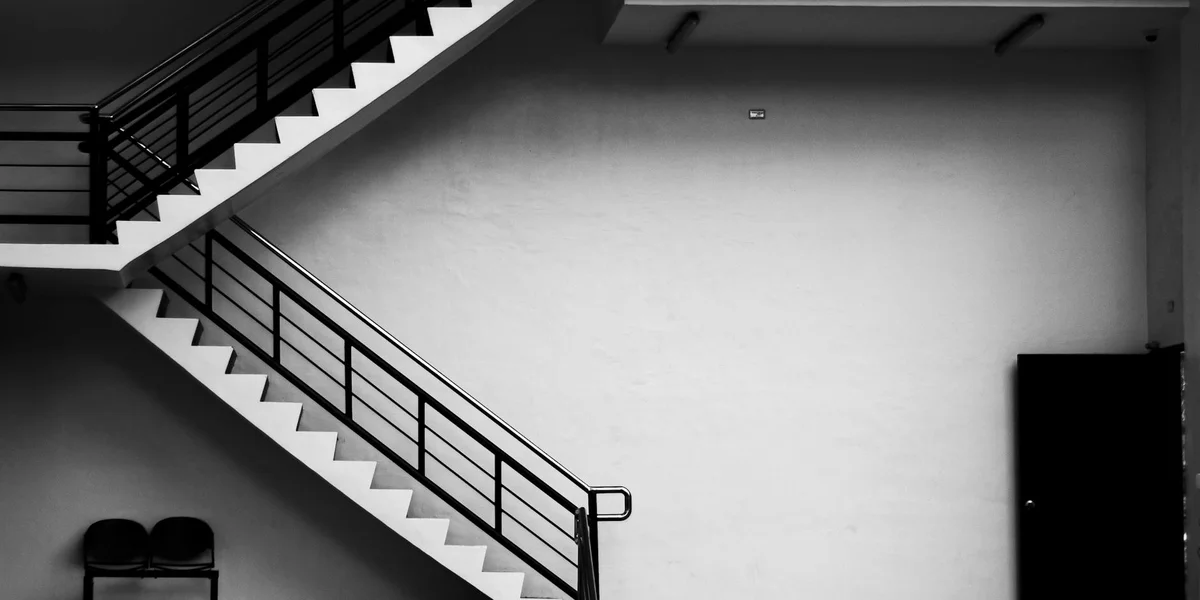
These symbols speak to progress and perspective. An endless staircase often means you feel stuck in a repetitive cycle, whether in relationships, career, or personal habits. The looping hallway, with its eerie familiarity, signals a need to change your approach to a problem. I once dreamed of a staircase that ascended into darkness; it mirrored my fear of an uncertain future. Recognizing this pattern in your waking life can empower you to seek new directions and break the loop.
Shifting Rooms and Breathing Walls
Rooms that change size or walls that pulse indicate emotional volatility. Shifting rooms represent adaptability and your ability to navigate changing circumstances, while breathing walls suggest suppressed feelings are alive and need acknowledgment. The vivid sensation of walls moving can be startling, but it’s a call to check in with your emotional boundaries. Practicing deep breathing before bed can calm your nervous system and lead to more restorative sleep, making such dreams less turbulent.
Tessellations and Fractal Patterns
These intricate, repeating designs are mathematics made visual. Tessellations and fractals in dreams symbolize the infinite complexity of your mind and the interconnectedness of your life experiences. They can appear during times of intellectual growth or spiritual seeking. Notice the colors: cool blues might indicate calm analysis, while warm reds could signal passionate creativity. Embrace these patterns as signs of your innate capacity for growth and self-discovery beyond linear thinking.
Symbolic Architectural Forms in Dreams
Liminal Spaces: Doors to Nowhere, Bridges That Vanish
Liminal spaces are thresholds, places of transition. A door that opens to a void often reflects anxiety about upcoming decisions or unknown opportunities in your life. A bridge that vanishes mid-span might show fears about losing support during a change. I’ve faced these in dreams during career shifts, and they always prompted me to trust my intuition. These symbols urge you to accept uncertainty as part of your journey toward mental well-being and new beginnings.
The Infinite Library or Cathedral
These vast, awe-inspiring structures hold deep meaning. An infinite library represents the boundless knowledge of your subconscious and the untapped wisdom you possess. Each book might be a memory or lesson. A cathedral, with its impossible heights, symbolizes spiritual aspiration and the search for meaning. The acoustics, the light filtering through-these sensory details matter. Dreams of such spaces encourage you to explore your inner world with reverence, fostering emotional healing and a sense of purpose. Prioritizing sleep hygiene creates a foundation for these profound insights to emerge clearly.
Your Emotional Compass: Feeling Your Way Through the Dream
Interpreting the Emotional Landscape of Awe, Fear, or Confusion
That first jolt of feeling inside a dream of impossible buildings-the wide-eyed wonder, the tight clutch of panic, the foggy disorientation-is your most reliable guide. Emotions in these dreams are not random; they are a direct reflection of how your subconscious perceives challenges and mysteries in your waking life. The architecture might bend physics, but your heart tells the straight truth. I recall a dream where I wandered a library with shelves that stretched into a starry sky; the awe I felt was immense, later mirroring my real-life excitement for a new learning journey.
Let’s break down what these core emotions might be signaling to you:
- Awe and Wonder: Feeling stunned by beauty or scale often means your mind is expanding. It can signal openness to spiritual growth or the recognition of your own vast potential.
- Fear and Dread: A cold sweat in a shifting maze points to anxieties about stability. This fear often surfaces when life’s structures-like work or relationships-feel confusing or untrustworthy.
- Confusion and Disorientation: The haze of not understanding the dream’s rules highlights a search for clarity. It’s a gentle nudge to examine areas where you feel lost or lack control.
Acknowledging Often Overlooked Bodily Sensations
Pay close attention to your dream body. The weightless float down an endless hall or the sudden pressure of a ceiling dropping are profound messages. These somatic cues are your intuition speaking a physical language, offering clues that pure thought often misses. Trusting these sensations is a key part of emotional healing and self-discovery.
- Floating or Levitating: A sense of lightness in impossible spaces suggests a deep desire for freedom from rigid rules or limitations in your daily routine.
- Heaviness or Being Trapped: Feeling pinned or dragged down can mirror burdens you carry while awake, like responsibilities that seem too complex to manage.
- Temperature Changes: A sudden chill in a crystal corridor might echo emotional isolation, while a warm glow from impossible windows could hint at inner hope seeking light. Noticing these subtle shifts builds mindfulness that improves dream recall and daytime intuition.
From Observation to Participation: Lucid Dreaming in Impossible Spaces
Recognizing the Dream: Reality Checks for Surreal Architecture
When walls melt or staircases invert, you have a perfect opportunity to become lucid. This means realizing you’re dreaming while still asleep. Practicing simple reality checks in waking life trains your brain to question reality during these bizarre architectural moments. It turns confusion into a gateway for conscious exploration.
Here are effective reality checks tailored for surreal geometry:
- Examine Text or Time: Look at a clock or a sign in the dream, then look away and back. If the numbers or letters swim, blur, or change, you are dreaming.
- Test Structural Integrity: Push against a wall. In a dream, it may feel spongy, breathe, or ripple. I once leaned on a pillar that bent like rubber, which instantly snapped me into lucidity.
- Observe Physical Laws: Try to float or pass your hand through solid matter. Impossible architecture often exists because dream physics are fluid, offering the clearest sign you’re in a mindscape.
Harnessing the Mindscape: Conscious Exploration and Healing
Once lucid, you shift from a passive observer to an active participant in your healing. This conscious state lets you engage directly with the symbols your psyche has built. You can calmly ask what a never-ending hallway represents or consciously decide to transform a frightening void into a welcoming door. Such acts reduce latent fear and promote mental well-being.
Healthy sleep hygiene-like a consistent bedtime and a dark, cool room-sets the stage for these lucid adventures. With a rested mind, you’re more likely to achieve and maintain this aware state.
- Dialogue with the Space: Ask the environment questions. You might mentally whisper, “What are you showing me?” and watch as the architecture responds, offering personal insight.
- Guide the Transformation: Intentionally soften a sharp, confusing corner into a gentle curve. This active reshaping can symbolize smoothing out a tough problem in your waking life.
- Focus on Sensation: Anchor yourself by feeling the dream’s textures and temperatures. This mindful focus not only stabilizes the lucid dream but also helps you carry its calming insights into your waking day.
Capturing the Ephemeral: Practical Tips for Dream Recall and Journaling
That jolt of waking up from a dream where walls melt and staircases spiral into nowhere can leave you grasping at haze. With intentional practice, you can gently hold these fleeting visions and examine their strange beauty. I keep a journal by my bed for this very reason; it turns confusion into a curious map of my inner world.
Immediate Recall Techniques for Complex Dream Imagery
When your mind paints impossible blueprints, act fast before they dissolve. Your first waking moment is a sacred window for capture. Stay perfectly still, eyes closed, and breathe slowly.
Replay the dream like a short film. Focus on one architectural wonder at a time-the exact hue of a floating brick or the sound within a silent hallway. I once dreamt of a transparent dome; recalling the chill of its surface was my anchor.
Voice your memory softly. Whispering three key words, like “glowing inverted arches,” ties the dream to your waking voice. This simple act reduces fear and solidifies the memory.
Reach for your notebook without looking. Scrawl anything you remember, even if it’s just “endless door.” The physical motion of writing etches the dream into your conscious mind more deeply than typing.
- Stay motionless: Resist the urge to jump up. Let the images float back to you in the quiet dark.
- Trace the sequence: Mentally walk from the dream’s start to its end, noting each geometric anomaly.
- Engage your senses: Ask yourself: Was the structure warm or cold? Did it hum or stay utterly silent?
Structuring Your Dream Diary for Architectural Symbols
A common notebook becomes a powerful tool when you give it a simple framework. I dedicate pages in my own journal to specific symbol categories, which makes recurring themes shout for attention.
Sketch what you saw. Even a clumsy drawing of a Möbius strip hallway captures spatial relationships words cannot. My sketches of shifting portals showed me where I felt stuck in life.
Title each entry with a descriptive name. A label like “The Limestone Labyrinth” creates a stronger memory hook than just a date. This builds a personal archive you’ll love to revisit.
Record the emotional atmosphere. Your feeling inside the dream building-was it wonder, dread, or peace?-is the truest guide to its meaning. A crumbling castle might signal release, not ruin.
- Create a symbol glossary: Reserve a section for doors, windows, bridges, and note what they represented each time.
- Use color highlights: Code entries by emotion (e.g., yellow for curiosity, gray for confusion) to spot patterns fast.
- Weekly review: Look back every seven days. You might see that twisting towers appear when you’re solving a problem.
Cultivating Sleep Hygiene for Vivid Dream Experiences
Dreams of profound architecture need fertile ground to grow. Gentle, consistent sleep habits invite your subconscious to build its most elaborate visions. Your mental well-being is the foundation for interpreting dreams from a psychological perspective.
Dim the lights and screens an hour before bed. Blue light tricks your brain into daytime, stealing away the deep REM sleep where vivid dreams live. I swap my phone for a book, and the difference in dream clarity is startling.
Establish a soothing pre-sleep ritual. A cup of herbal tea or five minutes of calm breathing tells your mind it’s safe to explore. This trust in your own rhythm welcomes more detailed dreamscapes. In terms of effectiveness for lucid dreaming, these routines are often among the strongest methods. Most people see the best results when combined with reality checks and dream journaling.
Make your bedroom a cool, dark cave. Physical comfort minimizes abrupt awakenings, allowing dream narratives to reach their strange conclusions. Always trust your intuition if your sleep space feels unsettled.
- Wake at the same time daily: Routine regulates your sleep cycles, making dream recall more reliable.
- Avoid late, heavy meals: Digestion can disrupt sleep, fragmenting those long, intricate dream journeys.
- Practice gentle mindfulness: A brief body-scan meditation before bed clears mental clutter for brighter dream images.
FAQs
What does it mean to dream about Geometry Dash or similar rhythmic games?
Dreaming of Geometry Dash often symbolizes your subconscious processing of life’s challenges and patterns, where navigating geometric obstacles reflects your attempts to overcome repetitive hurdles with timing and precision. It can indicate a need for better rhythm in your daily routines or creative expression. In this sense, symbolism acts as a map and a compass, guiding your inner journey as you read the dream’s signs. Let the symbols navigate you toward greater awareness and intentional change. To interpret this, consider how the dream’s pace and failures mirror your waking struggles, and use journaling to explore areas where you seek flow and mastery.
How might vector geometry appear in dreams, and what does it represent?
Vectors in dream geometry-such as arrows, lines, or directional forces-typically symbolize your life’s trajectory, energies, or the push and pull of decisions and emotions. They can represent clear paths or conflicting directions in your personal growth or relationships. Pay attention to their orientation and context; for example, a converging vector might signal integration, while a divergent one could highlight choices, guiding you to reflect on your goals and alignment.
What is the significance of dreaming about geometric flowers, like in Dream Flower Geometry Dash?
Geometric flowers in dreams blend structured patterns with organic beauty, often symbolizing the harmonious integration of logic and emotion, or the flowering of ideas within rigid frameworks. This can reflect personal growth where creativity blossoms amid life’s constraints, such as in work or art. To delve deeper, note the colors and shapes—geometric precision with floral softness may encourage you to balance discipline with intuition for emotional healing.
Walking Through the Dream Doorway
When impossible buildings visit your sleep, welcome them as unique messages to explore your own inner landscape and emotional boundaries. Your personal feeling in the dream is the truest compass, so hold onto that sensation and reflect on it with kindness. In dreams, house-building often symbolizes how you are shaping your life and foundations. Look at what the walls and rooms stand for to understand your evolving goals.
These structures are proof of your mind’s boundless creativity, not a warning sign. So fear no more-trust this mysterious dialogue, and may your path forward be lined with happy, revealing dreams.
At Night Omen, we delve into the fascinating world of dreams to uncover their deeper meanings and symbolism. Our team of dream interpreters and psychological experts is dedicated to providing accurate, insightful interpretations to help you understand the messages your subconscious is sending. Whether you’re seeking clarity after a vivid dream or simply curious about recurring symbols, our trusted resources guide you on your journey of self-discovery through the mysterious realm of dreams.
Psychological Perspectives