Ancestors in Dreams: The Spiritual Meaning of Unknown Relatives
Published on: December 13, 2025 | Last Updated: December 13, 2025
Written By: Morpheous
Hello Dreamers, seeing ancestors or unknown relatives in your dreams is typically a spiritual nudge, signaling guidance, unresolved emotional ties, or a call to explore your roots for personal healing. That flicker of a face in the night, the echo of a voice you’ve never heard-it feels mystical because it is. I’ve woken from such dreams with my heart racing, only to find a deep calm once I listened to their quiet message.
Let’s walk through what your subconscious might be conveying. In this article, we’ll look at the hidden messages, focusing on:
- The rich symbolism behind these familial dream figures
- Psychological angles from my own Jungian practice
- Common dream scenarios and their nuanced interpretations
- How this process fosters emotional wellness and intuition
- Simple sleep habits that sharpen dream recall
The Call from Your Lineage: Why Ancestors Appear
When an ancestor steps into your dream, it often feels different from other dreams-a familiar whisper in a strange room. I remember dreaming of my grandmother years after she passed; the scent of her kitchen lingered in the air upon waking. Spiritually, these visits are profound crossings, meant for protection during turbulent times, guidance at life’s crossroads, or to address unfinished business that echoes through generations. Your lineage may be reaching out to shield you or point you toward a path your waking eyes haven’t seen.
Psychologically, your mind is a deep well of family memory. Dreaming of ancestors can be your subconscious diligently processing inherited stories, unspoken traumas, and the very building blocks of your identity. It’s like your brain is sorting through old family albums, trying to make sense of where you come from to better understand who you are now.
Pay close attention to the emotional weather of the dream. These encounters typically carry one of three tones:
- Comforting and Peaceful: A warm, serene presence that feels like a spiritual embrace.
- Urgent or Insistent: A dream with a pressing message that jolts you awake with clarity.
- Sorrowful or Heavy: A visit laden with grief, often pointing to collective pain needing acknowledgment.
How do you know it’s a meaningful message and not just a random memory? The true ancestral dream leaves a resonant imprint-you feel it in your bones long after the dream ends, and the details stay vivid, unlike the haze of ordinary dreams. Trust that deep, intuitive pull; it’s your soul recognizing a call from your bloodline.
Decoding the Message: Common Ancestral Dream Scenarios
Each scenario is a unique language. Here are five common ones and how to listen to what they’re saying.
-
Dreaming of an Ancestor Speaking or Giving Advice
Hear their words, but more importantly, feel the texture of the message. Was it a clear warning or a gentle nudge? This often channels oral tradition or an intuitive download meant specifically for your current situation. I once dreamt a great-aunt I never met said, “Plant your feet,” which guided me through a career shift. The message itself is a direct inheritance. -
Dreaming of an Ancestor Crying or in Distress
This vision can be unsettling. It rarely means they are suffering now. Instead, it typically symbolizes unresolved family grief, ancestral trauma locked in time, or a call for you to perform a simple healing ritual, like lighting a candle or speaking their name aloud. It’s an invitation to bring peace to a story that wasn’t finished, especially when you dream about deceased loved ones. -
Dreaming of an Ancestor Giving You a Gift or Money
See this as a spiritual transaction. A gift symbolizes blessings and inherited talents—your psychic “inheritance.” Money often represents support for your material path or the energy to build a legacy. It’s their way of saying, “You have what you need to proceed.” In dream interpretation, such scenes illuminate the spiritual meaning behind everyday symbols and how your soul communicates guidance. Pay attention to your feelings and the context to deepen the interpretation. -
Dreaming of Unknown Relatives or Fuzzy Faces
These figures are deeply symbolic. They can represent forgotten branches of your family tree, connections to a broader soul family, or even unknown aspects of your own psyche trying to introduce themselves. That fuzzy face might be a part of you, or a lineage story, waiting for recognition. -
Dreaming of Ancestors Fighting or in Conflict
Do not fear this dream. It usually mirrors internalized family patterns, generational discord, or your own inner conflict about breaking a cycle. It’s a powerful mirror showing you where reconciliation is needed, within yourself first, to heal the line.
Cultural Lenses on Ancestral Messages
Different traditions frame these visits uniquely. In the Biblical perspective, this connects to the communion of saints, where prophets often dreamt of forefathers for divine guidance. Across cultures, dream interpretation has long guided decisions, rituals, and moral teachings. These varied valuations show that dreams have been a bridge between the living and the unseen throughout history. It views the dream space as a sacred meeting ground across time. In Hinduism, ancestors are Pitrs, revered beings, and dreams can be influenced by ancestral rites like Shraddha. Here, dreams are a direct feedback loop, affected by your respect and rituals for the departed.
Echoes in Your Lineage: Recurring Themes and Symbols
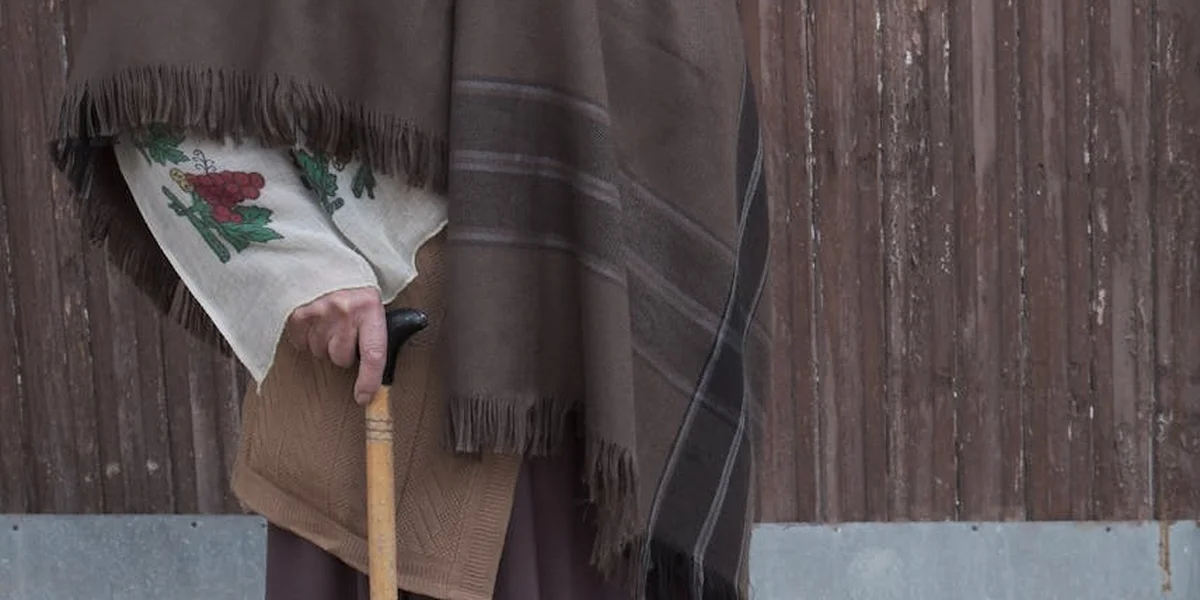
Certain motifs act as recurring dreamsigns, pointing to deeper lineage work. Family secrets often surface in dreams as hidden rooms, locked boxes, or whispered conversations you strain to hear. Your subconscious is gently pulling back the curtain on histories that shaped your family’s silence. Dreams may reveal secret rooms and hidden passages inside a house you recognize, as if you are touring ancestral corridors. These dreamscapes invite you to map your inner home, opening doors to forgotten rooms.
Generational patterns play out vividly. You might dream of repeated cycles-like the same argument in different eras-highlighting behaviors, health issues, or relationship templates asking for recognition and healing. By identifying these recurring dream patterns, you can uncover their meanings and what they reveal about your waking life. This awareness lets you translate symbols into steps for change. These dreams show you the blueprint so you can choose to redesign it.
Often, these dreams act as triggers. A surge of ancestral dreams frequently precedes major life changes-marriage, birth, a big move-urging you to consider your roots as you branch out. It’s your psyche grounding you before a leap.
Potent symbolic objects serve as keys. Watch for:
- Heirlooms: Jewelry, tools, or books representing passed-down wisdom or responsibility.
- Old Houses: Symbolizing the family psyche; different rooms can be different family members or secrets.
- Specific Trees or Plants: Often tied to family land, growth, and rootedness.
- Cultural Items: Clothing, food, or music acting as direct portals to your heritage.
These symbols are not random; they are the specific language your lineage uses to communicate with you. Notice them, journal about them, and feel their weight in your waking life.
The Language of Ancestral Dreams: Symbolism and Sensation
When an ancestor visits your sleep, they rarely arrive with a typed memo. Their communication is a subtle poetry of sensory impressions and emotional echoes that you feel more than you hear. I remember dreaming of my great-grandmother, whom I never met, and the crisp, starched texture of her apron was more vivid to me than her face.
The Whisper of the Senses
Pay close attention to the physical details in the dream. They are clues written in the language of the soul.
- The Warmth of a Hug: A genuine, felt embrace from a departed relative is one of the most profound sensations. This isn’t just a memory; it’s often interpreted as a direct transmission of love, forgiveness, or reassurance from the other side. The body remembers this warmth long after waking.
- The Sound of a Voice: Was it clear, or muffled like a radio through static? A clear message you can understand points to guidance your conscious mind is ready to receive. A muffled voice might suggest knowledge or healing that is still unfolding for you, or a connection you’re learning to attune to.
- The Color of Clothing: Colors carry spiritual weight. Notice if an ancestor is in white (purity, higher guidance), blue (calm, truth-telling), or even the earthy browns and greens of a family homestead (connection to lineage and the natural world). Their attire sets the tone for the message.
The Stage of Memory: Dream Settings
Where your dream takes place is never a random backdrop. The location is a powerful symbol pointing to what part of your history or identity is being activated. Some symbols are universal—shared across many people—while others are intensely personal, rooted in your own experiences. Understanding which category a dream symbol belongs to helps you interpret its meaning more clearly.
- Ancestral Homeland: Dreaming of a country or village your family left generations ago can signal a deep, cellular remembering. You might be working through inherited patterns of migration, loss, or resilience. This setting asks you to consider what roots you need to reconnect with, spiritually or culturally.
- The Old Family Home: This is the stage of your personal and familial psychology. Rooms represent different aspects of the self and family dynamics. A dream in a childhood home with an ancestor often relates to healing old wounds, revisiting foundational memories, or reclaiming a lost part of yourself that was nurtured (or neglected) there.
- A Nondescript or Foggy Place: A vague setting, like a grey train station or a misty field, is incredibly common with unknown relatives. This reflects the mysterious, not-yet-fully-known nature of the connection. The focus here is entirely on the figure and the feeling they bring, urging you to look beyond the literal and into the energetic imprint.
Your Waking Compass: The Body’s Truth
The most crucial part of interpretation happens in the first hazy moments of wakefulness. Before your logical mind scrambles for an explanation, pause and take a full inventory of the feeling lingering in your body and heart. Your physical reaction is the truest guide.
Did you wake with a deep, unexpected sense of peace, as if a weight was lifted? This is a classic sign of ancestral blessing or resolution. A jolt of anxiety might point to an unresolved family fear you’re being asked to acknowledge and heal. Sometimes, it’s neither peace nor fear, but a sudden, crystal-clear “knowing”—a download of intuition about a life decision. Trust that above all else. I keep a dream journal by my bed and scribble the emotion first, before any story details, because that feeling is the core of the message. In the language of the spirit, that utterly peaceful feeling can carry a spiritual meaning at work, a quiet invitation to trust the path. Let that calm guide you and inform the dream’s message.
Your Ancestral Awakening: How to Respond and Honor the Connection

Waking from a dream of ancestors leaves a unique imprint-a haze of memory mixed with deep emotion. That jolt into wakefulness is a call to action. Honoring this connection transforms a fleeting vision into a lasting dialogue with your lineage. I’ve felt this shift myself, where a single dream of a grandmother I never met sparked years of curious exploration.
Immediate After-Dream Steps
Capture the dream’s essence before it slips away like morning mist. Keep a journal and pen right by your bed. Writing while the dream’s texture is still vivid preserves nuances that later analysis needs. I often sketch the emotions first, as colors or shapes, if words fail me.
Try these prompts as soon as you open your eyes:
- What was the most dominant feeling in the dream? Was it warmth, urgency, or calm?
- Describe the ancestor’s presence. Not just appearance, but the energy they carried.
- Were there any objects, sounds, or specific locations that stood out?
After jotting down notes, sit quietly for five minutes. Breathe deeply and revisit the dream’s emotional core without judgment. This simple meditation helps your subconscious know you are listening, which can encourage further communication.
Practical Rituals for Connection
Rituals bridge the spiritual and physical worlds, making the connection tangible. Start small; this isn’t about grandeur but sincerity. Lighting a simple candle in a quiet moment can serve as a beacon for ancestral presence. I use a plain white candle and focus on the flame as a point of focus for my thoughts.
Consider creating a modest acknowledgment space:
- Place a photo, a heirloom, or even a written name on a small shelf or table.
- Add a natural element like a stone or fresh water to represent enduring life.
- Once a week, speak their names aloud and say, “I remember you.” This vocal acknowledgment holds power.
These acts are not summoning but inviting-a way to say you are open to their guidance. Your steady attention is the most profound offering you can give.
Internal Work for Healing
Dreams of unknown relatives often point to patterns waiting for your awareness. This is where ancestral dreamwork meets personal shadow work. Recognizing a recurring theme of silence or conflict in these dreams can mirror cycles in your own family history. I once dreamed of a series of stern, silent faces, which later helped me understand my own difficulty with expressing vulnerability.
Ask yourself these questions during your journaling practice:
- Does the dream highlight a fear or talent that feels familiar yet not wholly mine?
- Is there a relationship dynamic shown that I am repeating or resisting?
- What broken thread can I begin to mend for myself and future generations?
This introspection reduces fear by giving confusion a name and a framework. Recurring dreams often signal a link between trauma and nightly patterns. Recognizing this pattern helps you address the wounds your dream is trying to work through. Healing begins when you consciously decide to break a negative cycle that the dream revealed. Trust that this work, while internal, sends ripples back through your lineage.
Enhancing Dream Recall
Clear communication requires a clear channel. Your sleep hygiene directly influences how well you receive and remember these nocturnal messages. Prioritizing rest is a form of respect for the dream space itself. I’ve found that on nights I’m well-rested and calm, my dreams are more vivid and easier to recall.
Adopt these habits to welcome clearer connections:
- Maintain a consistent sleep schedule, even on weekends, to regulate your inner rhythm.
- Keep your bedroom dark, cool, and reserved for sleep and intimacy only.
- Avoid screens for at least an hour before bed; the blue light scatters your mental focus.
As you lie down, set a gentle, pressure-free intention. Whisper, “I am open to remembering my dreams,” or “I welcome wise messages from my ancestors.” This simple practice programs your subconscious to hold onto the visions you receive. Over time, this builds trust in your intuition and makes the dream world a more familiar landscape.
FAQs
What does it mean when I dream of an ancestor crying?
This vision typically points to unresolved grief or trauma within your family lineage, rather than the ancestor’s current suffering. It serves as a call to acknowledge this collective pain through a simple act of remembrance, such as lighting a candle or speaking their name aloud, to foster healing across generations.
What is the spiritual significance of an ancestor giving me money in a dream?
Seeing an ancestor offer money symbolizes spiritual support for your earthly journey and material endeavors. It represents inherited blessings or the energetic resources needed to build and sustain your own legacy, reassuring you that your lineage backs your path forward.
How is dreaming of ancestors interpreted in Hinduism?
In Hinduism, ancestors are revered as Pitrs, and such dreams are often viewed as meaningful feedback influenced by rituals like Shraddha. They may indicate ancestral blessings, requests for respectful rites, or a reminder of the sacred, ongoing connection between the living and the departed.
When Family Stories Visit in the Night
When a face from your lineage appears in a dream, see it as an invitation, not an intrusion. Your best response is to welcome the message with curiosity, perhaps through journaling or quiet meditation, to hear what your own heart concludes. These visions often ask you to acknowledge the past so you can move forward with greater wholeness and understanding.
Interpreting these dreams is a gentle process of befriending your own history. From a psychological perspective, dreams can reflect how your mind processes memories and emotions. This doesn’t mean the future is foretold, but that your psyche is making meaning from your experiences. You can trust that these nocturnal visits are ultimately supportive, guiding you toward healing and a deeper sense of belonging. Sleep well, and fear the unknown in your lineage no more.
At Night Omen, we delve into the fascinating world of dreams to uncover their deeper meanings and symbolism. Our team of dream interpreters and psychological experts is dedicated to providing accurate, insightful interpretations to help you understand the messages your subconscious is sending. Whether you’re seeking clarity after a vivid dream or simply curious about recurring symbols, our trusted resources guide you on your journey of self-discovery through the mysterious realm of dreams.
Dreams and Spirituality