Dreaming of a Foreign Country Where You Don’t Speak the Language: Symbolism and Meaning
Published on: March 5, 2026 | Last Updated: March 5, 2026
Written By: Morpheous
Hello Dreamers. Dreaming of being in a foreign country where you don’t speak the language is a powerful signal from your subconscious about navigating unfamiliar emotions, facing communication barriers in your waking life, or standing at the threshold of a major personal change. That sudden jolt of confusion and isolation upon waking is real, but this dream is more guide than alarm. I’ve felt that haze myself-waking from a vivid dream of a Parisian metro where every sign was a blur, my voice silent-and it became a turning point in understanding my own fears.
Let’s walk through what your mind is expressing. In this article, we will uncover the hidden messages layered in this experience. We will look at:
- The psychological interpretation: feelings of inadequacy and adaptation
- Spiritual symbolism: your soul’s journey into the unknown
- How specific details like time of day or color shift the meaning
- Actionable steps to translate this dream into personal growth
The Echo of Silence: Core Symbolism of Language Barriers
When Words Fail: The Meaning of Silence and Gestures
In these dreams, your tongue feels heavy, and every syllable dissolves before it reaches air. This profound silence often reflects waking moments where your emotions or thoughts seem too complex for language. I recall a dream where I stood in a Parisian cafe, my voice a mere whisper against the roar of French chatter, relying solely on pointing at pastries behind glass.
Common actions in this wordless space include:
- Pointing at cryptic signage or transportation maps, seeking visual anchors.
- Using exaggerated hand gestures to convey urgency or basic needs.
- Flipping through a phrasebook with fading text, symbolizing fragmented knowledge.
- Imitating the movements of locals, a silent plea for belonging.
These gestures underscore a primal need for connection beyond verbal exchange. They reveal that intuition often speaks louder than words in navigating alien terrain. Jot down these silent interactions upon waking; they frequently highlight areas in your life yearning for clearer expression.
Borders and Passports: Symbols of Transition and Identity
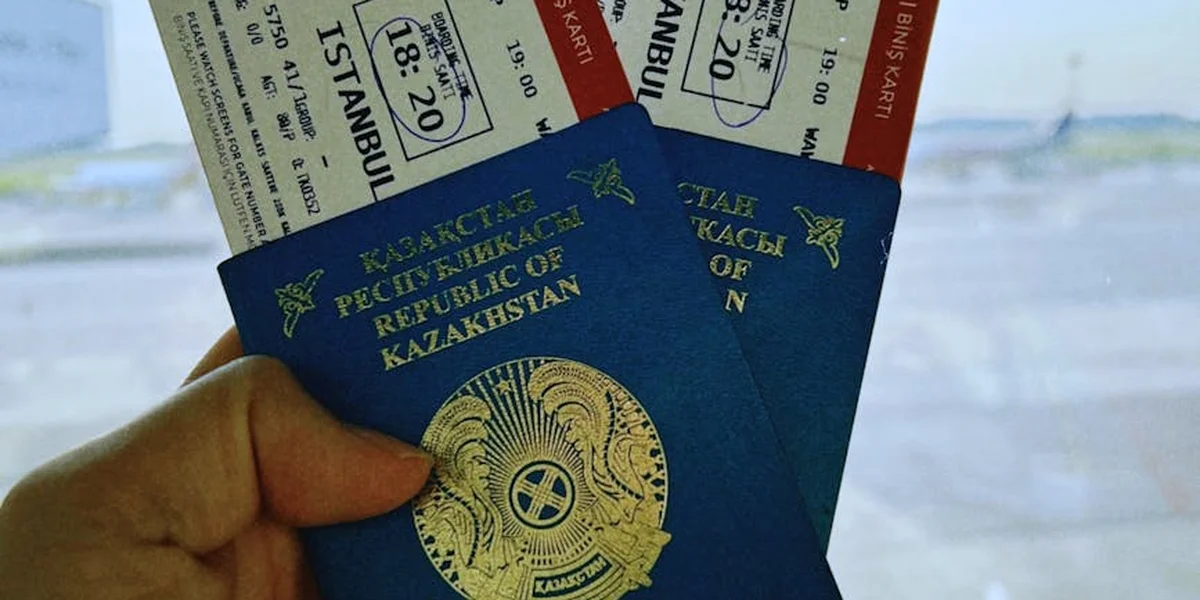
Dream borders are rarely just lines on a map; they mirror the limits you impose on yourself. Crossing one can signal a subconscious readiness to step into unknown personal territory. The act of presenting a passport-that little book filled with stamps-ties directly to how you view your identity.
Your dream passport might be expired, filled with unrecognizable visas, or missing entirely. This symbolizes feelings about your waking self, perhaps feeling illegitimate, in flux, or scrutinized by others. I once dreamed my passport photo showed my childhood face, a stark reminder of clinging to old selves while adapting to new roles.
These symbols intertwine themes of curiosity, adaptation, and memory. They ask you to examine what baggage from your past you carry into new beginnings. Keeping a dream journal on your nightstand enhances recall of such potent details, supporting better sleep hygiene.
Navigating the Unfamiliar: Common Dream Scenarios and Interpretations
Lost in a Crowd: Feeling of Isolation and Longing
Picture yourself in a Mumbai street market, surrounded by a kaleidoscope of saris and the scent of spices, yet feeling utterly invisible. This scenario magnifies the deep-seated ache of isolation amidst apparent connection. The colors may wash into muted grays, or sounds might distort into a distant hum, echoing your internal disconnect.
Your vulnerability here is not a weakness but a portal. That sharp longing you feel guides you toward neglected parts of your own spirit craving attention. Notice the sensory haze-the way the crowd’s movement feels like water-as it often mirrors how you navigate social currents in daily life.
Lean into this emotion without judgment. Dreams of being lost in a crowd can reduce fear by familiarizing you with the texture of solitude. Trust your gut to lead you toward more authentic connections when awake.
Decoding Signage and Maps: The Quest for Understanding
Illegible signs and convoluted maps in dreams are direct metaphors for your path in life. They represent confusion when direction seems obscured or choices feel overwhelmingly complex. Such confusion in a dream can signal that you feel disoriented or uncertain about your real-life direction. Pay attention to that feeling—it may help you realign your path when you wake. The letters on a sign might shimmer like mirages, or a map’s roads could unravel like thread.
To interpret these elements, follow these steps:
- Observe the visual details: Bold, bright signs suggest urgent messages, while worn maps hint at outdated life plans.
- Track your emotional response: Frustration points to blocked communication, curiosity to a hunger for growth.
- Analyze the layout: Missing streets or distorted scales reflect perceived gaps in your personal guidance system.
- Look for helpers or tools: A compass or a stranger offering direction symbolizes inner wisdom or external support.
These symbols encourage you to seek clarity beyond the obvious, trusting your internal compass. My own dream of a subway map written in symbols I somehow understood taught me to rely on intuitive knowledge over literal instruction.
The Psychology of the Outsider: Vulnerability and Resilience
Code-Switching and Ritual: Adapting to New Environments
Dreams where you alter your behavior to match foreign customs-like adopting local greetings or eating unfamiliar foods-mirror real-world code-switching. This ritual adaptation showcases your psyche’s incredible flexibility in unfamiliar social settings. You might dream of mastering a tea ceremony or changing your posture to blend in.
These dreams are exercises in emotional resilience. They demonstrate your mind practicing survival strategies, which fosters healing by building confidence. I’ve had dreams where I effortlessly switched between cultural norms, which later helped me navigate a new city with less anxiety, hinting at the psychological functions of dreams.
View these dreams as rehearsals for your waking life, strengthening your ability to adapt without losing core identity. Your subconscious is training you to balance authenticity with assimilation, a key to mental well-being.
The Color of Alienation: Sensory Details in Dream Recall
The sensory punch of these dreams—like the electric blue of a foreign police uniform or the tinny melody of an unknown lullaby—holds interpretive power. Vivid colors amplify emotional stakes, with greens often signaling growth or envy, and grays pointing to ambiguity or depression. In many traditions, these colors carry spiritual significance in dreams, signaling messages from the inner or divine. Reading their meaning can guide inner transformation. Sounds, whether deafening silence or chaotic noise, mirror your inner emotional volume.
To boost dream recall and promote restful sleep, integrate these tips:
- Place a notebook by your bed and record dreams immediately upon waking, focusing on senses first.
- Before sleep, set an intention to remember one specific detail, like the smell of rain or a texture.
- Create a calming bedtime ritual, such as gentle stretching or listening to soft music, to signal your mind it’s safe to wander.
- Drink water before bed, as dehydration can fragment dream memory.
Paying attention to sensory details grounds your interpretation in the rich reality of your subconscious landscape. Your dreams use color and sound to map your emotional state, so honor their clues. Healthy sleep hygiene starts with welcoming these nightly journeys.
Mystical Maps: Spiritual Meanings of Foreign Dreams
Silence as Sacred Space: Listening to Your Intuition
In dreams where language fails you, the resulting quiet is not a void but a sanctuary. This enforced silence strips away the daily mental chatter, making room for your deeper, intuitive voice to rise. I’ve had dreams in Parisian cafes where the French flowed around me like a river, and my own muteness forced me to tune into a subtle knowing in my gut. That inner nudging is your spiritual compass, often drowned out by waking life. It’s even more significant when you can’t make out the whispers, as it beckons you to listen beyond words.
Spiritually, this dream scenario mirrors meditation practices where you observe thoughts without attachment. Trusting this inner guidance requires practicing mindfulness in small, daily moments-like pausing before reacting to a stressful email. The haze of dream silence can teach you to value non-verbal cues and the wisdom that lives beyond words.
My own journey with such dreams led me to start a simple morning ritual of five minutes of quiet sitting. This habit trained my mind to recognize intuitive hits, reducing fear when real-life situations left me feeling verbally lost. Your dream is highlighting a sacred opportunity to listen more deeply to yourself.
Borders as Spiritual Thresholds: Crossing into Self-Discovery
Dream borders-like airport gates or country lines-are powerful symbols of transition. Crossing one in a dream marks a spiritual threshold where you are being called to evolve beyond old self-limitations. I recall a vivid dream of stepping across a stone bridge into a misty village, my passport feeling heavy with possibility. That bridge was a metaphor for leaving a stagnant career path.
Mystically, thresholds represent rituals of passage. You can honor this in waking life by creating simple ceremonies, like lighting a candle to signify leaving a old habit behind. The jolt of crossing a border in your dream mirrors the energy of new beginnings, even if they feel intimidating.
View these dream borders not as barriers but as invitations. Each represents a chance to integrate unseen parts of yourself, fostering profound emotional healing through courageous self-discovery. Unlike typical fences, walls, or barriers in dreams, these edges beckon rather than block. The vivid colors and strange landscapes on the other side are facets of your own psyche waiting to be explored.
From Lost to Found: Actionable Advice for Dream Integration
Step 1: Journal Your Dream Landscape
Right after waking, grab a notebook. Capture the dream’s sensory details before they fade; this act alone strengthens dream recall and mental clarity. Be aware that several common dream journaling errors can hinder your progress in dream recall. In this guide, we’ll identify 7 such errors and how to fix them to keep your progress moving forward. Focus on these elements in a list for easy review:
- Location: Was it a crowded city square or a quiet rural road? The setting clues you into your emotional state.
- Emotions: Note the primary feeling-was it isolation, curiosity, or panic? Your emotional body holds the truest translation.
- People: Were there faceless crowds or one distinct stranger? They often represent aspects of yourself.
- Colors & Sounds: The muted grays of a subway or the bright hues of a market can signal energy levels or mood.
Step 2: Translate the Silence into Action
Your dream’s communication barrier points to real-life areas where you might be holding back. Address this by initiating small, brave acts of expression in your daily life. Start with these ideas:
- Voice a Need: Practice saying “I need help with this” to a friend or colleague. It dismantles the dream’s isolation.
- Artistic Channel: Draw, dance, or write without judgment for 10 minutes. This bypasses verbal blocks and taps into subconscious flow.
- Vulnerability Check-in: Ask yourself, “Where am I not speaking my truth?” Then, share one honest feeling with someone you trust.
These actions directly counter the dream’s frustration, turning passive confusion into active self-advocacy. I used this step to finally start a difficult conversation with a family member, and the dream frequency lessened.
Step 3: Create Your Own Navigation Rituals
Build daily anchors that foster intuition and calm. Consistent rituals rewire your brain to trust itself, making the foreign feel familiar. Based on my experience, these simple practices are powerful:
- Intention Setting: Each morning, whisper one intention like “I trust my inner guide.” This programs your subconscious for clarity.
- Dream Incubation: Before sleep, ask a specific question like “What do I need to express?” Keep a journal by your bed to record answers.
- Sensory Grounding: When overwhelmed, name five things you see, four you feel, three you hear. This brings you back to your body, away from mental fog.
Healthy sleep hygiene is the foundation; aim for a consistent bedtime and a screen-free hour before sleep to let your mind process the day. These rituals are your personal map, drawn from the dream’s symbols, leading you back to center.
Your Personal Passport: Reflection Prompts for Deep Discovery
Dreams are personal maps, but you hold the legend to decode them. True understanding blooms when you connect the dream’s surreal landscape to the fertile ground of your own waking life. These prompts are your compass—a guide to your inner journey.
Prompt 1: When Have You Felt Like an Outsider?
That dream sensation of profound alienation rarely comes from nowhere. Your subconscious often borrows the intense imagery of a foreign land to mirror times you’ve felt isolated or misunderstood right at home. I recall dreaming of a bustling Tokyo street where all signs were blurred, only to realize it mirrored my first week at a new job where the office jargon felt like a different dialect.
Ask yourself: When did you last feel truly out of place? Was it in a social group, a family dynamic, or within your own skin? The language barrier in your dream powerfully symbolizes that aching gap between your internal experience and the external world’s inability to comprehend it. The unfamiliar architecture? That’s the puzzling structure of a new situation you’re navigating.
Guidance: Encourage recalling real-life experiences of alienation. Relate to dream symbolism of the unfamiliar.
Jot down three recent moments you felt like a stranger. Notice the parallels. The dream isn’t just replaying fear; it’s highlighting your resilience in navigating those uncomfortable, growth-spurring spaces.
Prompt 2: What is Your Heart Trying to Say Without Words?
In this dream, your voice is literally lost in translation. This is a huge clue. Your psyche is spotlighting a feeling or truth so deep or raw that your everyday vocabulary fails to capture it. It’s a primal message from your core self, especially when you dream about your own voice or inability to speak.
Get quiet and listen. Is there a longing so intense words cheapen it? A grief that feels unspeakable? A creative idea too fragile for critique? The dream’s setting shows you are in the territory of this emotion, actively trying to communicate it, perhaps first and foremost to yourself. The frustration you feel is real, signaling a vital message is being held back. The frustration in dreams is often symbolic of feeling stuck or restrained in waking life.
Guidance: Offer questions for introspection on unexpressed emotions and identity. Tie to themes of longing and navigation.
Try this: Instead of forcing words, what color is this unspoken thing? What weather does it feel like? By bypassing language, you honor the dream’s wisdom and often find a more direct, intuitive understanding of your heart’s true north. Your navigation through the foreign dreamscape mirrors your journey toward articulating this hidden part of you.
FAQs
What does the specific foreign language in my dream symbolize?
The particular language you encounter acts as a symbol of the “foreign” emotions or concepts you are grappling with. For instance, dreaming of French might symbolize romantic or artistic feelings you find hard to express, while dreaming of a language with a completely unfamiliar script could represent a situation you perceive as fundamentally incomprehensible. Consider your personal associations with that language’s culture to decode what new or challenging aspect of life your subconscious is presenting to you. This distinction between personal symbols and universal archetypes can be crucial in decoding your unique dream language.
Does dreaming I am suddenly starting to understand the language have a special meaning?
Yes, this is a potent symbol of breakthrough and integration. It signifies that you are beginning to subconsciously process and make sense of feelings or situations that once felt alien and overwhelming. This dream moment encourages you to trust that your innate intuition and adaptability are helping you navigate this challenging period, and it often precedes a waking-life realization or a surge in personal confidence.
What if I hear a word I recognize in the middle of the foreign speech?
This is a powerful signal from your subconscious to pay attention. That single familiar word is an anchor-a clear piece of guidance or a core value rising above the confusion. It often represents an inner truth, a solution, or a memory you need to grasp hold of. Upon waking, reflect deeply on that word, as it is a direct clue to what can help you find your bearings in a currently disorienting situation.
Your Dream Language, Translated
When this dream visits, see it as a direct message to honor where you feel isolated or unheard in your daily life. This symbol invites you to approach your waking “foreign lands”-new challenges or hidden emotions-with a traveler’s curiosity rather than fear.
Trust that your psyche uses this vivid metaphor not to frighten you, but to highlight your incredible capacity for adaptation and growth. So fear no more the unfamiliar; let it lead you to deeper self-knowledge and happier, more insightful dreams.
At Night Omen, we delve into the fascinating world of dreams to uncover their deeper meanings and symbolism. Our team of dream interpreters and psychological experts is dedicated to providing accurate, insightful interpretations to help you understand the messages your subconscious is sending. Whether you’re seeking clarity after a vivid dream or simply curious about recurring symbols, our trusted resources guide you on your journey of self-discovery through the mysterious realm of dreams.
Cultural Interpretations