The Symbolism of Masks and Costumes in Dreams: What Are You Hiding?
Published on: March 10, 2026 | Last Updated: March 10, 2026
Written By: Morpheous
Hello Dreamers. Seeing masks or costumes in your dreams most often means you are hiding your true emotions, adopting a temporary role, or undergoing a significant inner change. That sudden image upon waking is a nudge from your subconscious, not a cause for alarm.
Together, we will gently explore the hidden messages in these vivid dreams. This article will guide you through:
- The psychological roots of why we disguise ourselves in dreams.
- How the color, type, and feel of a mask alter its message.
- Spiritual insights on authenticity and self-discovery.
- Practical steps to interpret your own dream for personal growth.
- I will share my own experience with a haunting mask dream that taught me about vulnerability.
The Mystical Lens: Understanding Dream Symbols of Disguise
That jolt of waking up, the haze of memory where your own face feels unfamiliar behind a layer of pretend, can be deeply confusing. Dreams featuring masks and costumes are your subconscious speaking in the language of identity and concealment, asking you to look at what you show and what you shield. In symbolic terms, a mask often relates to the immediate face you present, while a costume encompasses the full role you inhabit. Spiritually, these elements can signal archetypal energies at play; psychologically, they frequently connect to Carl Jung’s idea of the persona-the adaptable social self we craft for daily life. This isn’t about deception, but about the natural human process of navigation and protection.
Decoding Your Dream Mask: The Face You Show the World
A dream mask is a direct message about your interface with others. The details of its material, expression, and how it feels on your skin are clues to your waking emotional state. Paying attention to these nuances can reveal where you might be feeling guarded or yearning to express a hidden part of yourself. In the realm of dreams, nakedness in public often mirrors a fear of exposure or vulnerability—a signal to examine where you feel seen or judged in waking life. By tracing the mask’s message to themes of exposure or performance, you can address real-life anxieties about being seen as you truly are.
What Does Your Specific Dream Mask Represent?
Here is a guide to common dream masks and their potential meanings. Remember, your personal feeling about the mask is the most important key.
- A Blank or Featureless Mask: This smooth, often white surface can feel chilling. It typically points to a fear of showing true emotion or a desire for anonymity in a situation where you feel exposed. It might mean you are feeling numb or are actively suppressing your reactions to cope.
- A Clown or Comedy Mask: The painted smile or exaggerated frown highlights the divide between appearance and reality. This mask often symbolizes the pressure to perform happiness or entertain others while hiding sadness, anxiety, or weariness inside.
- An Animal Mask: Dreaming of wearing a wolf, bird, or fox mask connects you to primal instincts or suppressed traits. This is your psyche hinting at a quality you need to acknowledge-perhaps the wolf’s independence or the fox’s cunning-in your current life.
- A Gasmask or Protective Mask: This heavy, tactile image usually relates to self-preservation. It suggests you feel the need to filter out emotional “toxins” from your environment, whether it’s negative energy, harsh criticism, or overwhelming demands.
- A Cracking or Breaking Mask: The sensation of plaster splintering is powerful. This almost always signifies that a facade you’ve maintained is becoming unsustainable, and your authentic feelings are desperate to surface.
What Are You Trying to Hide or Conceal?
The act of putting on a mask in a dream is a symbolic gesture of concealment. Often, what we hide is not a dark secret, but a tender vulnerability we fear won’t be accepted. In dreams, embarrassment and shame often surface as signals guiding you toward a closer look at your insecurities. Experiencing them in a safe space can be the first step toward unpacking them. Shame, insecurity, grief, or even a passionate dream we think others will ridicule can get tucked away behind this psychic barrier. I recall a period where I constantly dreamt of a tight, leather mask; it mirrored how I was constricting my true opinions in a friendship to avoid conflict, which only bred resentment. To understand your dream, try these reflective steps:
- Right after waking, note the primary emotion you felt while wearing the mask. Was it relief, fear, power, or sadness?
- Ask yourself: “Where in my waking life have I felt this exact emotion recently?”
- Consider if there’s a specific person or situation where you feel you cannot be fully yourself.
This gentle inquiry reduces fear by framing the mask not as a lie, but as a temporary strategy your mind is using. Healthy sleep hygiene, like keeping a dream journal by your bed, can make these reflections clearer and more insightful.
Interpreting Your Dream Costume: The Role You’re Playing
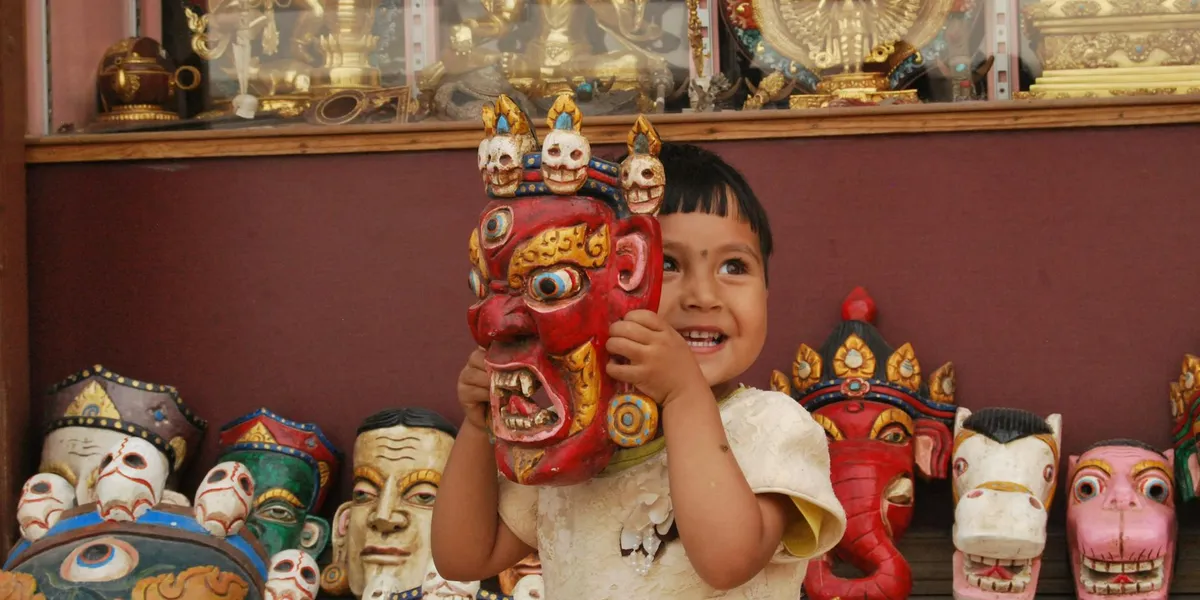
If a mask is about the face, a costume is about the entire body and identity. Dream costumes often symbolize aspiration, transformation, or the weight of an imposed social role. Where a mask might hide, a costume can transform, allowing you to try on a new potential self or vividly experience the pressures of an existing one.
What Costume Are You Wearing and Why?
The type of costume in your dream offers a narrative about your current journey. Pay close attention to its color, era, and how it fits-too tight can mean feeling restricted, too loose might indicate unpreparedness.
- Superhero or Fantasy Costume: This reveals a desire for more power, agency, or special abilities in your waking life. It’s a call to embrace your own strengths and confront challenges you feel are beyond you.
- Historical or Period Costume: Wearing renaissance gowns or knight’s armor can signal feeling out of sync with modern times or that you’re applying old-fashioned solutions to new problems. It may also connect to ancestral patterns or traditions.
- Professional Uniform (e.g., Nurse, Soldier, Chef): This directly relates to the roles and responsibilities you carry. It asks you to examine if this role fits your true calling or if you’re playing a part for external validation.
- Wedding Dress or Tuxedo: Beyond literal marriage, this symbolizes commitments, unions, or a new chapter. It can also highlight anxieties about conformity or the performance of a major life event.
- Animal or Creature Costume: Like an animal mask, this full-body experience suggests a deep immersion into an instinctual way of being. It’s a more profound invitation to explore raw, unfiltered aspects of your nature.
What Role Are You Trying to Portray or Become?
A dream costume invites you to explore the gap between who you are and who you are pretending to be-or who you wish to become. This portrayal often surfaces during life transitions, like a new job, relationship, or personal growth phase, where you are consciously crafting a new identity. The desire to be a superhero might stem from fear of inadequacy, while the elegance of a royal costume could point to unmet needs for respect and authority. Trust your intuition here; the role you’re playing in the dream holds a mirror to your latent potentials and unspoken desires. Seeing this as exploratory play, rather than criticism, opens doors to self-discovery and emotional healing.
The Dream Stage: Setting, Characters, and Emotional Atmosphere
Think of your dream as a play where every detail whispers a secret about your inner world. The context of your mask or costume dream is not just background noise; it is the very key that deciphers the hidden message from your subconscious. Who shares the stage with you, where the scene unfolds, and the emotional hue that paints it all-these elements merge to reveal what you might be concealing or becoming in waking life.
Who Else Is Wearing a Mask or Costume?
When other figures in your dream are also disguised, pause and reflect. These characters often mirror your relationships or inner conflicts, showing where you feel deception or projection in your daily interactions. A masked stranger might symbolize an unknown part of yourself, while a costumed friend could hint at a relationship where true feelings are hidden.
I once dreamed of a party where everyone wore animal masks, and the chatter felt hollow. It echoed my own social anxiety at the time, a sense that we were all performing rather than connecting. Shared anonymity in dreams can highlight a collective fear of vulnerability or a desire to blend in without true intimacy. Notice if you feel trust or suspicion toward these masked others-it clues you into your real-world hesitations.
Where Does the Dream Take Place?
The location of your dream acts as a magnifying glass for your emotions. Link the setting directly to your feelings of exposure or concealment to uncover deeper anxieties or joys. Here are common places and what they might signal: From a psychological perspective, dream settings reveal how the mind processes stress and desires. They reflect inner conflicts and coping patterns rather than literal predictions.
- A chaotic, crowded party often points to social performance anxiety or the pressure to fit in.
- A dark, empty stage suggests isolation or high personal expectations in your endeavors.
- A familiar room like your childhood home can indicate hidden aspects of your identity tied to past experiences.
- A misty forest or labyrinth might symbolize confusion in your life path, with the mask as a temporary shield.
Your subconscious chooses these backdrops intentionally, so ask yourself: does this place make me feel safe or exposed? The answer tints the meaning of your disguise.
What Is the Overall Emotion of the Dream?
Emotion is the compass that guides you to the dream’s core message. Upon waking, before the haze of memory fades, name the dominant feeling—was it fear, excitement, calm, or shame? This simple step anchors your interpretation. These emotions often map the roles you are enacting in waking life. In dream interpretation, naming the role behind the feeling—whether you’re acting as protector, seeker, or observer—helps reveal what aspect of your identity the dream is replaying. For instance, fear with a mask often signals a fear of being seen, while excitement might indicate playful exploration of new roles.
In my own experiences, a calm emotion while wearing a costume in a dream led me to realize I was embracing a hidden talent. Trust that the emotional atmosphere colors the symbolism, turning a mask from a burden into a tool for self-discovery. If the dream leaves you jolted awake, it may be urging you to address concealed stresses in your waking hours.
When Disguises Shift: Change, Removal, and Transformation
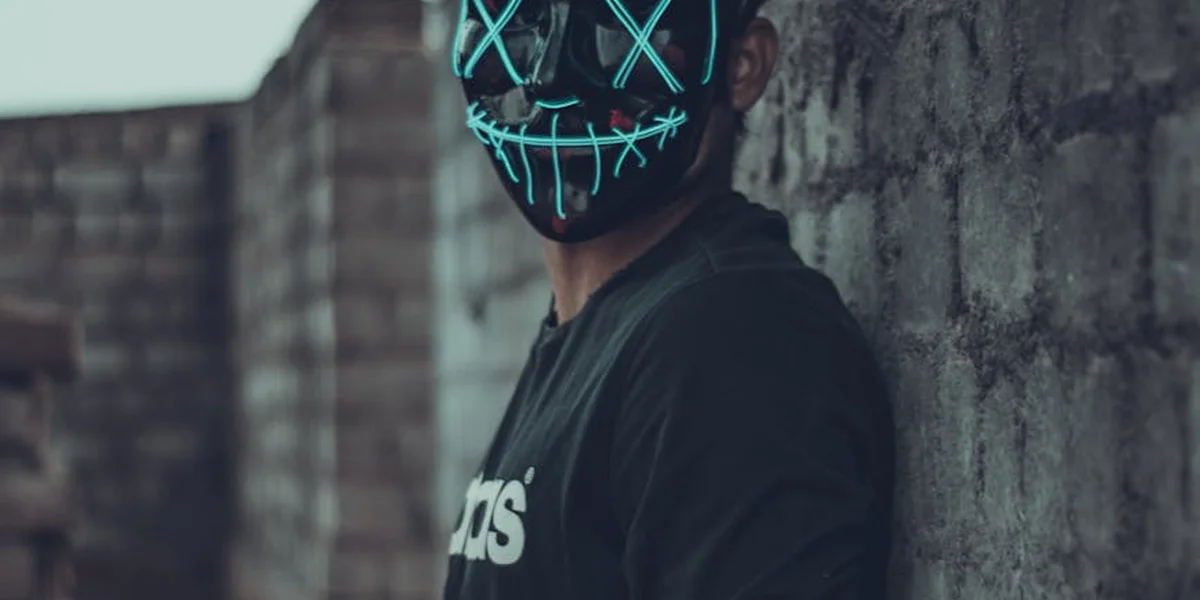
Dreams where masks or costumes evolve are powerful glimpses into your psyche’s fluidity. These dynamic events are not random; they are vivid signs of internal shifts, adaptability, or unresolved tensions seeking resolution. Pay close attention to moments of change-they often hold the key to personal growth and emotional healing.
Does the Mask or Costume Change Throughout the Dream?
Transformations in your disguise speak volumes about your waking life adaptability. A mask that melts like wax could symbolize defenses softening, allowing your true emotions to surface gradually. Imagine a costume that becomes heavier, weighing you down-this might reflect growing burdens in a role you’re playing, such as at work or in relationships.
I recall a dream where my simple cloth mask transformed into an elaborate, glittering facade, mirroring my own efforts to impress others at a cost to my authenticity. Use vivid sensory language to recall these shifts: the texture change, the color fade, or the sudden lightness. These details connect to evolving self-perception and your ability to navigate challenges.
What Happens If the Mask Is Removed or the Costume Taken Off?
Scenes of exposure in dreams are profound crossroads between fear and liberation. If the mask is torn off by force, it may highlight a terror of vulnerability or external pressures stripping away your defenses. Conversely, willingly removing a costume can signal a longing for authenticity and relief from pretense. Body appearance dreams frame the body as both audience and performer, highlighting how we fear or accept judgment of our looks. They often echo worries about self-image and the pressure to look a certain way.
From a Jungian perspective, this moment ties to shadow integration-facing the parts of yourself you hide. Emotional healing often begins in these dream revelations, whether they bring terror or calm. I’ve felt both the shock of exposure and the peace of shedding a heavy disguise, each teaching me about my boundaries and truths. Notice if removal leads to connection or isolation; it guides you toward embracing your whole self in daily life.
From Vision to Insight: Your Guide to Personal Dream Analysis
The fleeting haze of a dream can feel maddening, but with a gentle approach, you can transform that fog into a clear mirror. Personal dream analysis is less about finding a rigid dictionary definition and more about feeling into the unique emotional fingerprint your subconscious has left for you. Here is a practical path to move from confusion to clarity, especially when you understand the key differences between dream interpretation and dream analysis.
- Capture the Echo Immediately. Keep a journal and pen right on your nightstand. The moment you wake, even at 3 a.m., jot down everything before logic edits it. Note colors, sensations, and that lingering mood. I’ve trained myself to whisper key words into my phone’s voice memo if I’m too groggy to write-the sound of my own sleepy voice recounting the dream is a powerful recall tool later.
- Describe the Mask in Detail. Was it ornate or plain? Tight on your skin or loose? Did it belong to you, or were you given it? Write freely without interpretation. The physical details of the costume are direct clues to the nature of the facade or role you’re exploring.
- Interrogate the Emotion. This is the most critical step. Ask yourself: “In the dream, while wearing the mask, did I feel powerful, ashamed, liberated, or trapped?” Your feeling is the undeniable truth of the symbol’s meaning for you.
- Connect to Your Waking Costume. Gently reflect on your daily life. Where do you feel you must “wear a mask” to fit in, be professional, or protect your heart? The dream often amplifies a feeling you’re already managing, giving you a chance to see it from a new angle.
- Ask the Mask a Question. In your journal, try a dialogue. Write a question to the mask: “What are you protecting me from?” or “What part of me do you represent?” Then, let your intuition write the answer without overthinking. You might be surprised by the compassionate wisdom that emerges.
Building a Foundation for Better Dream Recall
Clarity begins before you even close your eyes. Prioritizing sleep hygiene isn’t just about physical rest; it’s an invitation to your subconscious that you are ready and willing to listen. A calm mind before sleep is a receptive mind. I find that even five minutes of quiet breathing, letting go of the day’s roles, makes my dreamscapes more vivid and accessible.
- Create a nightly ritual: Dim lights, sip caffeine-free tea, and read fiction instead of scrolling through stressful news.
- Set a loving intention. As you drift off, softly say to yourself, “I will remember my dreams,” or “I am open to understanding myself.”
- Keep that journal within arm’s reach. The simple act of reaching for it signals to your brain that these visions matter.
Journaling Prompts for Mask & Costume Dreams
Staring at a blank page can be daunting. Use these questions as keys to open a deeper conversation with your dream self.
- If the mask in my dream could speak, what would its voice sound like, and what would it say?
- When in my waking life have I felt the exact emotion I felt in the dream?
- What is one small, authentic action I can take today that aligns with my true self, not the “costume” self?
Trusting the flicker of intuition that arises as you ponder these prompts is paramount. Your first, gut-response meaning is usually the most accurate, even if it feels uncomfortably simple or revealing. The mind loves to complicate, but the soul speaks in whispers of direct knowing.
A Personal Note on Self-Acceptance
For years, I had recurring dreams of wearing a beautiful, heavy metal mask that I couldn’t remove. I woke feeling panicked. Through this very process, I connected it to my polished, professional persona I felt locked into. Analyzing these dreams didn’t make the mask vanish, but it allowed me to finally see the compassionate reason I forged it: to feel safe and competent in a challenging world. That shift from fear to understanding fostered a profound self-acceptance. I began to thank that masked part for its service, while gently making more space for my unmasked, quieter self in my daily life. The dreams gradually changed, showing me the mask now hanging on a wall-a tool I could choose, not a prison I was stuck in.
FAQs
How do you feel while wearing the mask or costume?
The emotion you experience while disguised is the most direct clue to the dream’s meaning. Feeling powerful or liberated suggests you are exploring a desired trait or enjoying a break from your usual identity. Conversely, feelings of shame, anxiety, or confinement often indicate that the role you are playing in waking life is draining or inauthentic, signaling a need to reassess where you might be compromising your true self. Similarly, dreams of being invisible often point to hidden or unrecognized aspects of yourself. Interpreting these dreams can reveal what you want to keep unseen and how you might bring those parts into view.
Does the mask or costume change throughout the dream?
A transforming disguise symbolizes active inner change or conflict. For instance, a mask cracking or a costume shifting style reflects evolving self-perception or crumbling facades. This dynamic imagery highlights your psyche’s adaptability and can point to a specific situation where your feelings or strategies are rapidly changing, urging you to acknowledge this internal flux.
Where does the dream take place?
The setting frames the context of your concealment or performance. A dream at a crowded party amplifies themes of social performance, while one in a solitary place like an empty stage focuses on self-examination. The location tells you *where* in your life the symbolized feelings of hiding or transforming are most relevant, connecting the symbol directly to your waking world.
Unmasking Your Inner World
When a mask or costume drifts into your dream, see it as a direct message to examine what you present versus what you protect. Your honest reflection on that hidden role reduces fear and builds a bridge to your authentic self. Unlike clothing and accessories in dreams, which often symbolize social status or personal identity, masks specifically highlight the dichotomy between appearance and reality.
Trust that these dreams are allies in your journey toward wholeness, not specters to dread. Take time to analyze and interpret recurring dreams, noticing patterns and symbols. A dream journal can help you track these messages and turn insights into gentle guidance. Sleep well, dream deeply, and let every unveiled layer bring you closer to peaceful mornings.
At Night Omen, we delve into the fascinating world of dreams to uncover their deeper meanings and symbolism. Our team of dream interpreters and psychological experts is dedicated to providing accurate, insightful interpretations to help you understand the messages your subconscious is sending. Whether you’re seeking clarity after a vivid dream or simply curious about recurring symbols, our trusted resources guide you on your journey of self-discovery through the mysterious realm of dreams.
Psychological Perspectives