Dreams of Music: What Instruments and Melodies Symbolize
Hello Dreamers, dreaming of musical instruments or hearing melodies is a profound signal from your subconscious, often pointing to your inner harmony, emotional communication, and creative spirit waiting to be expressed. That sudden violin note or the echo of a childhood tune upon waking isn’t random; it’s a personalized message from your deeper self. I remember waking with a lingering drumbeat in my ears, which later mirrored a need for courage in my waking life, and such experiences have taught me to listen closely.
Let’s tune into what your mind is composing. This exploration will cover:
- The spiritual and emotional meanings of different instrument types
- How melodies reflect your current joys, fears, or unresolved feelings
- Psychological insights tied to sound and memory in dreams
- Gentle methods to improve dream recall and nurture peaceful sleep
Decoding the Symphony of the Subconscious: How Music Speaks in Dreams
In the hazy theater of sleep, sound often cuts through the visual fog with startling clarity. The music in your dreams is not random noise but a profound symbolic language, speaking directly from your subconscious mind. I remember waking from a dream where a distant piano melody seemed to color the entire scene with a soft, golden light, a feeling that lingered all morning. These auditory experiences are your psyche’s way of composing messages that your waking self might be missing.
Think of rhythm, melody, and harmony as emotional metaphors for your daily life. A steady, repetitive rhythm often mirrors the pace of your routines, while a disjointed beat might signal internal conflict or stress. A flowing melody can represent the current of your emotions, and harmonious chords suggest inner balance or resolution. It’s your soul’s own soundtrack, reflecting what words cannot.
Universal symbolic meanings for dream music include:
- Creativity: A nudge to express yourself artistically or solve problems in new ways.
- Communication: Highlighting unspoken feelings or a need to connect with others.
- Emotional Release: Music provides a safe channel for joy, grief, or pent-up energy.
- Spiritual Connection: Ethereal or choir-like sounds can point to a search for meaning or guidance.
The specific instrument or tune you hear adds intricate layers, like unique voices in a choir, which we’ll explore next. Trusting this nocturnal symphony can significantly reduce daytime anxiety by giving your emotions a voice.
Hearing Melodies in Dreams: Messages from Your Inner Voice
Passively hearing a melody-whether it washes over you or insists from a corner-is your intuition broadcasting on a clear frequency. Familiar tunes often tie to specific memories or periods of your life, while unknown compositions are pure messages from your deeper self. I once dreamt of a haunting violin piece I’d never heard, which later helped me acknowledge a hidden sorrow.
To decipher these auditory gifts, follow this simple guide:
- Recall the exact melody or genre. Was it classical, rock, a simple hum? Every detail matters.
- Identify the emotion it evoked. Did you feel comfort, dread, excitement, or peace upon hearing it?
- Note the dream’s setting. Where were you when you heard it? A crowded street or a quiet forest?
- Connect the feeling to a current waking life situation. That anxious rhythm might mirror a work deadline, while a lullaby could speak to a need for self-care.
Common melodic scenarios and their whispers:
- A childhood lullaby: Often a call for comfort, security, or healing from past wounds.
- A haunting, repeating refrain: Usually points to an unresolved issue or thought pattern you’re cycling through.
- A joyous, swelling chorus: Celebrates personal triumphs, connections, or a phase of spiritual awakening.
This melody is a direct line to your unprocessed feelings, a gift from your subconscious meant to guide, not confuse. Improving your sleep hygiene by keeping a dream journal can make recalling these tunes easier.
The Dream Meaning of Common Musical Instruments
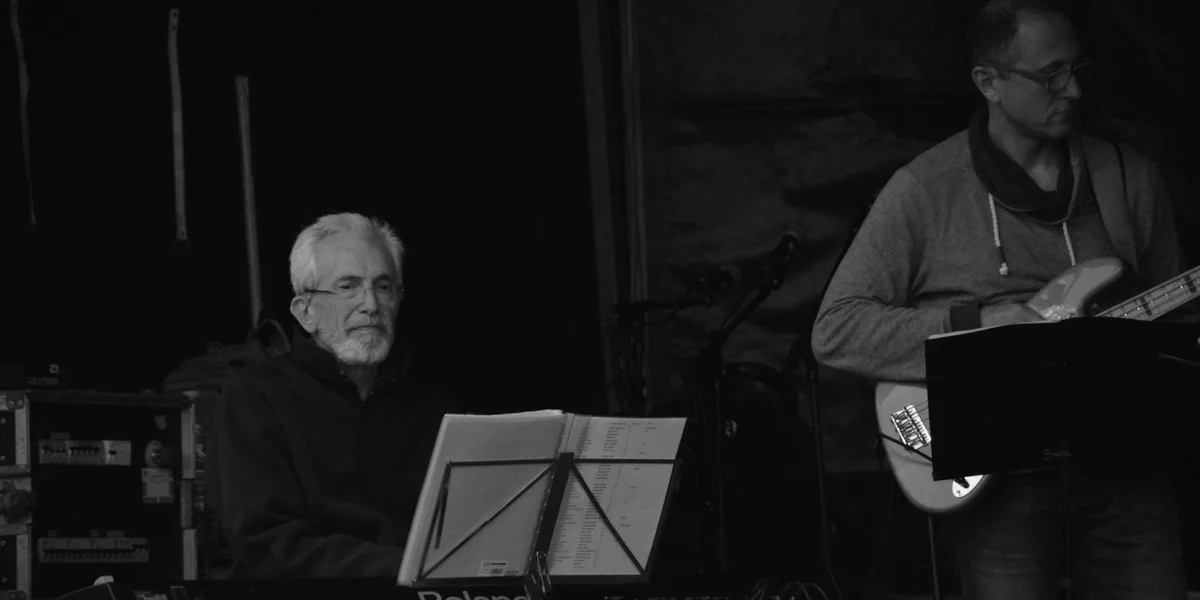
Each instrument in your dream carries its own personality and message, shaped by its sound and material. Paying attention to these details unlocks a richer understanding of your inner narrative. Here is a guide to some frequent dream performers.
Piano
With its wide range of keys, the piano symbolizes the full spectrum of your emotional capacity. Dreaming of a piano often reflects a need to acknowledge both your joys and sorrows, to play the whole song of your life. Its solid, wooden body can represent stability or the framework of your mind. In dream symbolism, keys carry spiritual meaning, often signaling access to inner wisdom and higher purposes. When a piano appears in a dream, it can signify tuning your life to a higher rhythm and unlocking spiritual lessons.
- Key Meanings: Emotional balance, intellectual harmony, memory, and composed self-expression.
- Ask Yourself: Am I acknowledging all my feelings? Where in my life do I need to find harmony?
Guitar
Often associated with personal passion and grassroots expression, the guitar speaks of your authentic voice. The vibration of its strings mirrors the resonance of your actions with your core desires. An acoustic guitar might suggest intimacy, while an electric one could signal a desire to be heard.
- Key Meanings: Passion, romance, storytelling, adaptability, and personal connection.
- Ask Yourself: Am I expressing my true self? What passions am I strumming or silencing?
Violin
The violin’s poignant, singing tone is deeply connected to sensitivity and sorrow. This instrument can indicate elegant communication of painful feelings or a call to listen to a delicate part of your psyche. Its string material-often gut or steel-hints at resilience drawn from vulnerability.
- Key Meanings: Grace under pressure, mourning, heartfelt communication, and refined sensitivity.
- Ask Yourself: What beautiful pain am I holding? How can I express my needs more gracefully?
Flute
Carrying the breath of life itself, the flute is a messenger of spirit and air. Its ethereal sound frequently points to intuition, spiritual messages, or the flow of creative inspiration. Dreaming of a flute invites you to consider what gives you life and breath.
- Key Meanings: Spiritual guidance, new ideas, freedom, and the rhythm of your own breath or life force.
- Ask Yourself: What inspiration am I inhaling or exhaling? Am I listening to my gentle inner voice?
Drums
Drums connect you to the primal pulse-your heartbeat, urgency, or foundational rhythms. The beat in your dream amplifies your internal tempo, signaling either healthy momentum or frantic pressure. The material, like animal skin or synthetic heads, can tie to natural instincts or manufactured stress.
- Key Meanings: Instinct, urgency, ceremony, anxiety, or the marching beat of your personal progress.
- Ask Yourself: Is my life’s rhythm too fast or slow? What am I being called to act upon now?
Trumpet
Bold and made of brass, the trumpet is an instrument of announcement. Its blaring sound in a dream is rarely subtle; it’s a call to action, a warning, or a declaration of your presence. It cuts through noise, demanding your attention.
- Key Meanings: Revelation, warning, celebration, victory, and the need to make your voice heard.
- Ask Yourself: What truth needs announcing in my life? What am I being warned to pay attention to?
When Music Goes Awry: Broken Instruments and Dissonant Tunes
Waking from a dream where a violin string snaps with a painful twang or a piano key sticks in dead silence can leave your heart racing. These jarring images are your subconscious painting a clear picture of inner disruption that deserves a gentle look.
A flute that won’t make a sound or a guitar emitting only discordant screeches often mirrors feelings of creative block or emotional friction. That oppressive silence in a dream where music should bloom usually points to a voice within you feeling stifled or unheard.
Let’s break down these symbols and their common meanings:
- Snapped Strings or Cracked Wood: Sudden creative frustration or a communication break in a key relationship.
- Instruments That Refuse to Play: Repressed talents or a fear of expressing your true emotions.
- Chronically Out-of-Tune Notes: Daily life irritations or values misaligned with your actions.
- Absolute, Heavy Silence: Deep isolation or anxiety about sharing your perspective.
Dreams of musical failure are not omens of perpetual brokenness. View them as a compassionate nudge from your psyche to begin a repair process in your waking life.
Here are practical steps to respond to these dreams and heal the symbols:
- Acknowledge the Block Without Judgment: Simply write down, “Something feels stuck,” and sit with that feeling for five minutes. This reduces fear.
- Explore Non-Musical Art Therapy: Use clay, finger paints, or collage to externalize the feeling of discord without pressure for a masterpiece.
- Initiate One Small, Difficult Conversation: If the dream hints at fractured dialogue, send a honest text or ask for a brief chat to clear a single misunderstanding.
I remember dreaming of a silent saxophone during a time I was avoiding a conflict at work. Addressing the issue felt like oiling the instrument’s keys-the dream music returned, and so did my sense of expressive freedom. These dreams are invitations for tune-ups, not verdicts on your talents.
Psychological Insights: What Your Musical Dreams Say About Your Mind
Through a psychological lens, your musical dreams are a direct broadcast from your subconscious, using sound to process what your waking mind might overlook. Jungian psychology interprets consistent musical symbols as archetypes like the Self, using harmony to urge integration, or the Anima/Animus dialoguing through duet or dissonance. Understanding the psychology behind dreaming can provide deeper insights into these musical symbols.
Your brain uses these auditory experiences to weave together memories, soothe trauma, or give voice to repressed creativity. A haunting melody might be integrating a past loss, while a chaotic rhythm could be metabolizing the day’s stress into something you can hear and confront.
Here is a list connecting specific musical dream themes to underlying mental and emotional states:
- Harmonious, Fluid Melodies: Inner peace, emotional alignment, and a sense of psychological wholeness.
- Chaotic, Dissonant Rhythms: Unprocessed anxiety, feeling overwhelmed, or internal conflict.
- Repetitive, Simple Tunes: Obsessive thought patterns, unresolved issues, or a mental habit loop.
- Grand, Swelling Orchestras: Confronting powerful emotions or a period of significant personal transformation.
In my own practice, a recurring dream of a muffled lullaby helped me see I was neglecting my need for rest. That analysis led me to prioritize sleep hygiene, which quieted my anxiety and made the dream melodies clear again. Trust that your mind composes these sounds for your emotional clarity. Do dreams mean you’re sleeping well? They often reflect how deeply or restlessly you’ve slept and can guide you to improve sleep quality.
Your subconscious is a profound composer, scoring the soundtrack of your inner world. Listening to these dreams can guide you toward greater self-awareness and foster a mindful approach to your mental well-being. Keeping a dream journal by your bed strengthens recall and helps you trust the intuitive wisdom in these nightly symphonies. Sometimes, understanding the psychological perspective of dreams can provide further insights into your mental state.
Spiritual Harmonies: Divine Messages and Sacred Sounds in Dreams
When a melody visits your sleep, it can feel like a sacred gift. I’ve woken up with tunes humming in my mind that carried a weight beyond the ordinary. Music in dreams often acts as a bridge, connecting you to divine guidance or the whispered wisdom of ancestors. Singing dreams, in particular, can carry spiritual meanings about your soul’s path. By listening for the hidden notes, you may glimpse inner truths guiding your waking life. Let’s explore the mystical layers behind these auditory experiences.
Shamanic Rhythms: Drumming for Soul Journeying
The steady beat of a dream drum can pull you into deeper states of awareness. I once dreamed of a drum circle that led me through a vivid, healing vision. Shamanic traditions see drumming as a vehicle for traveling between worlds, often calling you to confront hidden truths or embark on a quest for healing. In dream interpretation, drum imagery points to the soul’s deeper meaning and the spiritual messages behind waking-life challenges. These symbols invite you to listen for inner guidance and to align with a deeper purpose. It’s a primal invitation to journey inward.
Angelic Choirs: Comfort from Celestial Realms
Ethereal voices or harmonious choirs can drench your dream in serene light. In my experience, such sounds arrive during times of loneliness, offering profound solace. This angelic music typically symbolizes direct comfort and reassurance from benevolent forces watching over you. It reminds you that you are never truly alone.
Buddhist Mantras: Focus and Inner Peace
Hearing a repetitive mantra like “Om” in a dream can anchor your swirling thoughts. I’ve found myself waking with a mantra’s vibration still calming my breath. These sacred sounds mirror meditation, helping to focus the mind and cultivate a tranquil heart amid life’s chaos. They are a nudge toward mindfulness. Regular meditation can sharpen dream recall by training the mind to notice and remember dream imagery upon waking. A brief, mindful pre-sleep routine can carry that awareness into dreams, helping memories linger after waking.
Hindu Nada Yoga: The Sound of the Universe
Nada yoga teaches that the cosmos itself is vibration. Dreaming of a resonant hum or cosmic symphony touches this truth. Such an experience points to your soul’s harmony with the fundamental frequency of existence. It’s a beautiful reminder of your connection to all that is.
How can you tell if your musical dream holds spiritual weight? Watch for these signs:
- A lingering feeling of awe or transcendent beauty that colors your entire day.
- A clear, download-like message that feels urgently meant for you upon waking.
- An overwhelming sense of peace, love, or knowing that defies logical explanation.
- Recurring musical themes that sync with periods of prayer, grief, or transformation.
To become more receptive to these messages, nurture your daily awareness. Mindfulness and meditation gently tune your inner ear to subtle spiritual frequencies. Start with five minutes of silent listening each morning. Cultivate quiet, and your dream soundscape may grow richer and clearer.
Practical Steps to Interpret Your Musical Dream Imagery
Interpreting your dream music is a personal art. Here is a straightforward process I use to decode these nightly symphonies.
- Keep a dream journal right by your bed. The moment you wake, write down every detail. Memories evaporate like mist in sunlight, so capture them fast.
- Sketch the instrument or note the melody. Even a crude drawing or a voice memo can preserve the dream’s essence. I’ve hummed forgotten tunes into my phone that later revealed their meaning.
- Record your visceral emotional response. Jot down the jolt of surprise, the swell of joy, or the deep calm. Your gut feeling is the most honest guide to the dream’s core message.
- Draw parallels to your current life challenges or joys. Ask: Where in my waking life does this music resonate? Is there a relationship needing harmony or a creative project seeking its rhythm?
- Look for recurring musical themes over time. Review your journal monthly. A recurring violin melody during stressful times might be your psyche’s way of scoring your resilience.
Better dream recall starts with honoring your sleep. Reduce screen time at least an hour before bed to let your brain waves slow naturally. Keep your bedroom dark, cool, and reserved for rest. I find that a cup of caffeine-free tea and some gentle stretches make my sleep deeper and my dreams more accessible. We often forget dreams soon after waking. Quick reflection or jotting down a fragment can help you remember them better.
Your intuition is the final authority. You hold the innate wisdom to understand the unique language of your subconscious. If a dream guitar solo fills you with exhilaration, trust that feeling. Your inner self is composing these notes just for you.
FAQs
Are there broader categories that musical instruments fall into within dreams?
Yes, instruments can often be grouped by their families, which provides another layer of meaning. For instance, string instruments (violin, guitar) often relate to emotional expression and communication, while percussion (drums) connects to primal rhythm and urgency. Considering the instrument’s family can help simplify and enrich your initial interpretation alongside its specific symbolic details.
Is there a difference between dreaming of playing an instrument versus hearing one?
Absolutely. Dreaming of *playing* an instrument typically symbolizes active expression, personal agency, and your direct role in creating the “music” or harmony in your life. Conversely, *hearing* a melody or instrument often represents receiving a message, intuitive insight, or an external influence calling for your attention. The distinction helps clarify whether the dream is about your actions or your receptivity, and understanding the spiritual meaning of specific actions in dreams can provide further insight.
How important is the emotional tone (e.g., major vs. minor key) of the dream music?
The emotional tone is a crucial decoder. A bright, major key melody often reinforces messages of joy, resolution, or positive affirmation, while a somber, minor key tune typically highlights introspection, sorrow, or unresolved feelings. Paying close attention to this quality helps you move beyond the symbol itself to grasp the specific emotional context your subconscious is underscoring.
Your Dream’s Final Note
When melodies drift through your sleep, treat them as a direct line to your subconscious creativity and current emotional tune. Journaling the specific instrument and the feeling of the music turns a fleeting dream into a lasting map for your waking journey.
Trust this process of listening, for your mind is composing these sounds to guide, not to frighten you. Your brain weaves impossible dream narratives. Recognizing this can soften their grip. Fear no more the unknown symphony; let each dream leave you with a lighter heart and a clearer mind for the day ahead.
At Night Omen, we delve into the fascinating world of dreams to uncover their deeper meanings and symbolism. Our team of dream interpreters and psychological experts is dedicated to providing accurate, insightful interpretations to help you understand the messages your subconscious is sending. Whether you’re seeking clarity after a vivid dream or simply curious about recurring symbols, our trusted resources guide you on your journey of self-discovery through the mysterious realm of dreams.
Objects