Dreaming of Being a Different Person or Gender: Decoding Your Subconscious Message
Published on: March 14, 2026 | Last Updated: March 14, 2026
Written By: Morpheous
Hello Dreamers, Dreaming you are a different person or gender is a powerful signal from your subconscious, pointing toward exploration of hidden self-aspects, personal transformation, or a deep curiosity about your own identity. I remember waking from such a dream, the haze of another life clinging to me, feeling both unnerved and curiously liberated. That jolt of confusion is common, but these visions are allies in your journey inward.
Let’s gently unpack what your mind is showing you. In this article, we will examine the hidden messages, focusing on key areas to bring you clarity:
- The Jungian perspective on persona and the shadow self
- Spiritual symbolism and archetypal meanings
- Connections to your waking life emotions and relationships
- Practical steps for integration and nurturing mental well-being
The Subconscious Mirror: Why Your Dreams Shift Identity
Your Psyche’s Playground of Self-Perception
When you wake up from a dream where you were someone else, that jolt of confusion is your conscious mind bumping into a deeper truth. Your subconscious uses these identity shifts as a gentle, often poetic, way to reflect the inner work you’re doing on who you are. I recall years of dreaming I was a fearless public speaker, while in reality, I struggled with shyness; those dreams were rehearsals for a confidence I was slowly cultivating.
Carl Jung’s concepts of the persona and the shadow are brilliant keys here. The persona is the social mask you wear daily, while the shadow holds every trait you’ve ever tucked away out of fear or shame. Dreaming of a different person can be a meeting between these two, a signal that it’s time to acknowledge and integrate hidden parts of yourself for greater wholeness.
Common psychological triggers for these dreams include:
- Desire for change: A profound dissatisfaction with some life area can manifest as a complete identity change in the dream’s vivid colors and scenarios.
- Fear of authenticity: Anxiety about being truly seen might transform you into a more socially acceptable or anonymous figure in the dream’s narrative.
- Exploring unconscious aspects: Your dream self may boldly embody qualities like creativity or aggression that your waking self has neglected, offering them for your review.
Becoming Another: Interpreting Dreams of Personal Transformation
When You Dream of Being a Specific Different Person
Whether you become a celebrity, a past partner, or a fictional character, the specificity holds meaning. The emotional texture of the dream—the warmth, the fear, the exhilaration—is your most reliable guide to interpretation. When you step into a role in the dream, the accompanying emotions become a map of your inner dialogues. In dream interpretation, examining these role emotions helps you uncover underlying desires and conflicts. Pay close attention to how you feel in their skin upon waking.
- Projection of ideals: Transforming into someone you admire highlights attributes you yearn to develop. That surge of capability you felt? It’s a nudge to cultivate that skill in reality.
- Unresolved trauma: Becoming a person linked to a painful memory often means your psyche is ready to reframe that event. The dream may feel heavy or repetitive, signaling a need for healing attention.
- Empathy development: If you become a friend or family member, your mind might be practicing compassion. You’re literally walking in their shoes to understand their perspective on a deeper level.
Dreaming of an Anonymous or Faceless Self
These dreams, where you’re a stranger or lack defining features, carry a unique, often eerie, resonance. The sense of anonymity directly mirrors feelings of being unseen or uncertain of your role in waking life. In dream interpretation, dreaming of invisibility often points to a wish to be seen more clearly or to have a voice. These moments invite reflection on how you might step into a role where your impact is acknowledged. I’ve dreamed of being just a voice in a crowd, which echoed my real-world fear of not having a distinct impact.
- Social role confusion: A faceless self can reflect anxiety about your place at work or in relationships, asking if you’re valued for your true essence or just your function.
- Search for true self: This vagueness can be an invitation to define yourself outside of external labels and expectations, a call to personal discovery.
- Vulnerability or freedom: The tone dictates the meaning. You might feel exposed and unsafe (vulnerability) or strangely unburdened and limitless (freedom).
The Gender Dream: Unraveling Spiritual and Symbolic Threads
Gender Swap Dreams: Beyond the Surface Change
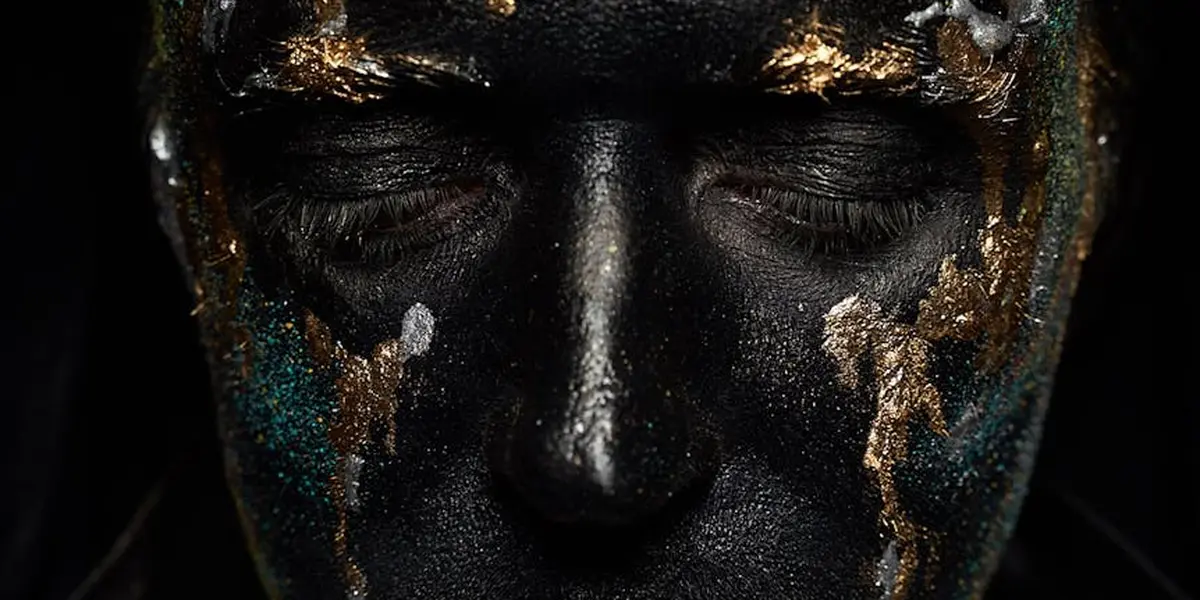
A gender swap dream is where you experience life as a different gender than your waking identity. This powerful motif is almost always about internal symbolism, not a literal declaration about your physical self. The initial surprise upon waking is normal, but the real message lies in the dance of energies you experienced.
| Spiritual Meaning | Psychological Meaning | Key Emotional Response |
|---|---|---|
| Balancing inner masculine (animus) and feminine (anima) energies for harmony. | Questioning rigid gender norms or exploring aspects of personal identity. | Curiosity or a sense of intriguing possibility. |
| Embracing spiritual wholeness and the integration of all parts of self. | Accessing repressed traits like assertiveness or nurturance that you associate with another gender. | Empowerment, strength, or a novel feeling of confidence. |
| A symbol of creative rebirth and awakening to a more complete version of you. | Processing feelings about gender fluidity, social expectations, or personal transformation. | Clarity and peace, or temporary discomfort that sparks reflection. |
The Masculine and Feminine Within: A Dance of Duality
In dream language, the masculine principle relates to action, logic, and structure, while the feminine connects to intuition, flow, and creation. Dreaming of these forces is about your internal dance between doing and being, regardless of your body’s gender. Specific dream actions—the movements and choices you make—often carry spiritual meanings related to your waking life. Observing these actions can help translate dream messages into meaningful steps in daily life. Healthy sleep hygiene, like a calm bedtime routine, can make these archetypal messages clearer.
- Embracing the masculine: This might signal a need to take decisive action, set firm boundaries, or pursue a goal with focused determination in your waking life.
- Embracing the feminine: This could be a call to trust your gut feelings, practice self-care, or allow more creativity and receptivity into your daily routine.
- Rejecting an aspect: Feeling distress in a gender-swapped dream often highlights internal conflict with societal pressures or your own acceptance of certain powerful traits within.
- Integration for growth: When the dream feels harmonious, it points toward self-acceptance and the balanced use of all your inner resources for personal growth.
Vivid Dreamscapes: Common Symbols and Their Hidden Messages
The scenery in your dream isn’t just a random backdrop. It’s a carefully chosen stage that gives vital clues to your subconscious state. I’ve learned that the where of transformation is just as telling as the who.
The Setting: Where Your Transformation Unfolds
Pay close attention to the environment. Its textures, its light, its mood-they all whisper secrets about the part of your identity you’re exploring.
Guidance: Analyze how locations color the dream’s meaning.
- Staring into a Mirror: This is the classic symbol of self-reflection. Dreaming of seeing a different person in the mirror screams of a direct confrontation with a hidden or emerging aspect of your self. It’s your psyche holding up a literal reflection and asking, “Do you recognize this part of you?”
- Navigating a Crowded Street or Party: This setting is all about social persona and external pressures. If you shift into a different person here, your dream may be exploring how you perform or adapt your identity under the gaze of others. It highlights feelings of anonymity or the fear of being truly seen.
- Being in a Familiar Room (Your Childhood Home, Current Bedroom): This connects the identity shift directly to your personal history or your most intimate, private self. Transforming in a familiar place ties the experience to deep-seated memories, core beliefs, or your foundational sense of safety and belonging.
- Crossing a Bridge or Standing at a Crossroads: These are potent symbols of transition. Dreaming of being a different person in these liminal spaces points directly to your psyche processing a significant life change or a pivotal decision about who you are becoming.
Emotional Weather: Feelings as Your Dream Compass
Forget the plot for a moment. The dominant emotion you felt upon waking is your single most reliable guide. That visceral gut feeling holds the purest truth of the dream’s message. Still, which should guide you more—waking intuition vs dream messages? Let the waking gut be your starting compass, then weigh the dream’s symbolism against it to see where they align.
Guidance: Stress the importance of the dream’s emotional tone.
- Joy, Elation, or Freedom: A powerful signal! This euphoria often marks the liberation of expressing a repressed part of your identity or experimenting with a new way of being that feels authentically right. I’ve had dreams where a gender shift felt like shedding a heavy coat, leaving only light and possibility.
- Fear, Panic, or Dread: This doesn’t necessarily mean the change is bad. This intense fear usually mirrors a waking-life anxiety about societal judgment, loss of control, or the terrifying vulnerability that comes with any profound personal evolution.
- Neutral Curiosity or Calm Observation: A wonderfully insightful state. This detached fascination suggests your subconscious is calmly and logically exploring possibilities, testing out different facets of self without immediate pressure or judgment. It’s a safe space for mental try-on.
- Profound Confusion: More common than you think. This blurry, disorienting feeling directly mirrors a waking state of identity questioning, where old labels no longer fit and new ones haven’t yet formed. The dream isn’t adding confusion; it’s showing you the confusion that’s already there.
After the Dream: Steps for Integration and Self-Discovery
The real magic doesn’t end at the alarm clock. It begins when you bring the dream’s hazy wisdom into your clear, waking mind. Here is how to gently honor that profound experience.
Step 1: Capture the Haze – Immediate Journaling
Keep a notebook and pen by your bed. The memory of these dreams can evaporate faster than morning mist. Write the moment your eyes open, before logic tries to tidy it up. This is one of the 7 common dream journaling errors that hinder recall. Learning to avoid these mistakes can help you remember more of your dreams.
Guidance: Give a step-by-step guide for writing down the dream upon waking.
- Reach for your journal before you check your phone. Let the dream world have the first word of your day.
- Jot down the absolute basics first: “I was [different person/gender]. I was in [location].”
- Now, use prompts to mine the sensory details: “What did the air feel like? What colors were strong? Was there any sound or silence?”
- Finally, and most crucially, describe the emotional arc in one word: “It started with fear, moved to curiosity, ended in peace.” Circle the dominant feeling.
Step 2: Ask the Quiet Questions – Reflective Inquiry
Once the dream is on paper, have a kind, open-hearted conversation with it. This isn’t an interrogation, but a curious exploration, much like having conversations in dreams to decipher their true meaning.
Guidance: List reflective questions the dreamer can ask themselves.
- What qualities did this “other me” possess that felt intriguing or empowering?
- Does this dream persona express a part of myself I minimize or hide in daily life? Your dream may be gifting you a safe space to finally acknowledge a stifled talent, a quiet desire, or a suppressed emotion.
- If the change was frightening, what specific aspect felt threatening? (e.g., others’ reactions, losing a familiar self, the unknown).
- How does this dream connect to current changes or choices in my waking life? This link is your golden thread to understanding.
Step 3: Embrace the Waking Shift – Mindful Action
Insight without integration is like a seed left in the packet. Find a small, safe way to let the dream’s energy breathe in your real world.
Guidance: Suggest small, practical actions for integrating insights.
- Engage in creative expression: Draw the dream character, write a short story from their perspective, or move your body to music that captures their essence. Creativity bypasses the inner critic.
- Practice compassionate self-talk. If the dream revealed a fear, literally say to yourself: “It’s understandable to feel that way. We’re exploring something new.”
- Consider one tiny, real-world experiment inspired by the dream’s energy. This isn’t about drastic change. It could be reading a book from a new perspective, trying a different style of clothing at home, or allowing a previously guarded part of your personality a little more airtime with a trusted friend.
- This final step is the cornerstone of long-term self-acceptance: it teaches you that all parts of you, even the unexplored ones, are welcome at the table of your own consciousness.
Embracing the Unknown: My Journey with Identity Dreams
A Personal Walk Through a Dream of Changed Gender
I still remember the haze of that morning, the jolt of waking up with a heartbeat echoing in my ears. In the dream, I was a man walking through a sun-drenched market. The weight of my shoulders was broader, my voice a resonant rumble I felt in my chest. That visceral sense of inhabiting another physical form shook me from my usual dream patterns and asked for my courage. The vivid colors of the spice stalls, the rough texture of a linen shirt-every detail was amplified, making the experience feel less like a fantasy and more like a visitation.
For days, the emotional residue colored my thoughts. Instead of dismissing it, I sat with the confusion. This dream was not about literal transition but a profound nudge to reflect on the rigid boxes I had built for myself. From a psychological perspective, dreams are often symbolic expressions of the unconscious, not literal predictions. It highlighted aspects I often suppressed: assertiveness, a different kind of strength. My own journey taught me that such dreams are less about who you are not and more about who you could become. They invite a brave audit of your whole self.
That personal experience solidified a truth I share with you now. Your subconscious uses these radical scenarios to foster growth and integration, not to cause fear. The lesson was about embracing the unknown within, a call to self-reflection that ultimately deepened my compassion for my own evolving story.
Nighttime Guidance: Cultivating Clarity and Compassionate Sleep
Tips for Remembering Your Dream’s Tapestry
Waking up with only fragments can be frustrating. Your mind is eager to communicate, but you need the right tools to listen. Improving dream recall starts the moment you decide to pay attention, transforming hazy memories into clear narratives. Meditation and mindful awareness strengthen this process, boosting dream recall. Here are practices that work from my own routine:
- Place a dedicated journal and pen right on your nightstand. The physical act of reaching for it upon waking anchors the memory.
- Set a simple intention as you drift off. Whisper to yourself, “I will remember my dreams,” to prime your subconscious.
- Allow yourself to linger in bed for a few quiet moments after opening your eyes. Rushing to start your day scatters the delicate images your mind has woven.
- Note the feelings first. Even if details fade, jotting down the emotion-was it joy, curiosity, peace?-often unravels the whole scene.
- Keep your sleep environment dark and quiet. Sudden alarms or light can sever your connection to the dream world instantly.
Building a Sanctuary for Subconscious Dialogue
Dreams of transformation flourish in a mind that feels safe and rested. Your bedroom should be a sanctuary that signals to your psyche it is time for deep, reflective work. Healthy sleep hygiene is the foundation for trusting the intuitive messages that emerge in the night. Consider these steps to build that trust:
- Maintain a consistent sleep schedule, even on weekends. Regular rhythms tell your brain when to open the channels for subconscious dialogue.
- Create a nightly wind-down ritual without screens. Try reading or gentle stretching instead.
- Ensure your room is cool, dark, and clutter-free. Physical comfort directly influences mental openness.
- Practice mindful breathing for five minutes before sleep. This calms the nervous system and invites more vivid dreaming.
- Listen to your body’s cues for tiredness. Honoring this natural rhythm strengthens your connection to inner wisdom and overall mental well-being.
Common Questions
What does it mean if I have a gender swap dream but don’t question my gender in waking life?
This is very common and typically points to internal symbolism rather than a literal desire to transition. Your subconscious is likely using the concept of gender to represent specific energies or traits—like assertiveness (masculine) or intuition (feminine)—that you are being called to explore or balance. This is also why dream meanings can feel elusive or ambiguous—a symbol’s meaning is highly personal and can carry several possible interpretations. View the dream as an invitation to reflect on these qualities within yourself, not as a statement about your external identity.
Why do gender swap dreams sometimes feel so dramatic or emotionally intense?
The intensity often mirrors high-stakes internal conflict or profound curiosity. The “drama” can stem from your psyche confronting rigid self-concepts or societal expectations, creating a powerful narrative to get your attention. This emotional charge is a signal to examine where you might feel limited or where a new part of you is struggling to emerge in your daily life.
Can a dream about being a different gender relate to my real-life thoughts about gender identity?
It can, but it’s not a definitive diagnosis. Such dreams may provide a safe, subconscious space to explore feelings about gender fluidity or expression that you are processing. From a dream psychology perspective, these motifs don’t prove anything definitive, but they can reveal underlying feelings. Exploring what they symbolize may help you understand what they mean for your sense of self and gender expression. If the dreams are persistent and resonate deeply, they could be one part of a larger journey of self-understanding, and reflecting on them—perhaps with journaling or a trusted professional—can offer valuable personal insight.
Your Dream Self Awaits
When you dream of being a different person or gender, see it as a profound invitation to explore your own multifaceted identity. Honor the emotions you felt in the dream-they are the most direct message from your subconscious about what needs attention or acceptance in your waking life.
These experiences are a natural part of your mind’s journey toward greater wholeness and self-understanding. Fear no more, and may your path forward be illuminated by happy, insightful dreams.
At Night Omen, we delve into the fascinating world of dreams to uncover their deeper meanings and symbolism. Our team of dream interpreters and psychological experts is dedicated to providing accurate, insightful interpretations to help you understand the messages your subconscious is sending. Whether you’re seeking clarity after a vivid dream or simply curious about recurring symbols, our trusted resources guide you on your journey of self-discovery through the mysterious realm of dreams.
Psychological Perspectives