
Why Do You Dream About Getting Lost?
Published on: December 28, 2025 | Last Updated: December 28, 2025
Written By: Morpheous
Hello Dreamers. Dreaming of being lost is your subconscious mind’s vivid metaphor for feelings of uncertainty, transition, or a deep search for purpose in your waking life. That sudden jolt of panic in the dreamscape isn’t just random-it’s a message from within, asking for your attention.
In this guide, we’ll walk through the hidden meanings behind this common dream. We’ll explore the psychological roots in anxiety or life changes, uncover the spiritual guidance it may offer, and break down specific scenarios like being lost in familiar places or endless woods. I’ll also share personal insights from my own dream journal and practical steps to find clarity when you feel adrift.
The Sudden Disorientation: Core Meanings of Lost Dreams
That jolt you feel upon waking, the racing heart, the haze of confusion-it all stems from a profound signal from your inner self. Getting lost in a dream isn’t a prophecy of failure. It’s a direct reflection of your waking mind’s navigation system hitting static.
The central theme is a felt sense of disorientation in your life’s direction, where old maps no longer match the new terrain you’re walking. You might be facing a choice without a clear “right” answer, or you’ve taken a path that now feels alien. I’ve had these dreams during career pivots, where every street sign in the dream was in a language I’d forgotten. They can be your subconscious hinting that your current job may not fit your evolving aims. Your dreams may be urging a pivot toward work that aligns with who you are becoming.
This symbol powerfully connects to your autonomy and decision-making power. Are you letting others dictate your route? The dream often asks, “Who is really holding the compass?” It reduces fear when you see it as your psyche’s way of shouting for your conscious attention, not as a prediction of getting physically lost. It’s particularly meaningful when considering the symbolism of maps and compasses in dreams.
Navigating the Symbolism: Common Lost Dream Scenarios and Their Nuances
The specific setting of your disorientation is your best clue. The backdrop holds the details of your dilemma, painting your inner conflict with vivid sensory language.
Dreams of Getting Lost in a City, Town, or on a Bus
Concrete jungles and public transit speak to your social and professional world. A labyrinth of unknown streets mirrors complex life systems you’re trying to master-bureaucracy, social circles, or corporate culture.
Missing a bus or train in a dream often symbolizes a deep-seated anxiety about missing out on a crucial life opportunity or falling behind your peers. The bustling crowd represents external pressures, and your isolation within it highlights a feeling of being unseen or not knowing the social rules. If the dream centers on a bus, you may wonder: does it mean a dream about a bus? In such cases, the bus can symbolize your direction, timing, and movement within a shared path.
Dreams of Getting Lost in a Building or Maze
This is the dream of internal processing. The building is often your own mind or a specific institution (like school or work). Endless hallways and identical doors signify overthinking, cyclical thoughts, or analysis paralysis.
Finding yourself in a maze suggests you perceive your situation as a puzzle with a solution, but you haven’t found the key logic yet. I recall a maze dream where the hedges were made of filing cabinets-my mind was literally lost in administrative details. These dreams call for mental decluttering.
Dreams of Getting Lost in Your Own Home
This is one of the most potent and unsettling versions. Your home is your sanctuary, your known self. When it becomes unfamiliar, it points to a loss of inner security or a disconnect from your core identity.
Discovering new, strange rooms in your home can symbolize untapped potential or hidden aspects of yourself you’re afraid to explore. Not recognizing your own bedroom speaks to a fundamental question: “Do I even know myself anymore?” This dream urges a return to your foundational needs and values. In dreams, secret rooms and hidden passages in your house can symbolize untapped talents or aspects of yourself waiting to be explored. Paying attention to how you move through these spaces can reveal what you’re ready to unlock in waking life.
Dreams of Getting Lost in Nature or on a Path
Here, the disorientation is spiritual or existential. A fading trail in a deep forest reflects a search for meaning or a feeling of being off your true life’s path. The vastness of nature can mirror overwhelming emotional states.
Pay close attention to the time of day: a lost-in-the-woods dream at dusk suggests a looming transition or loss of hope, while one in bright morning light might indicate a challenging but new beginning. Trusting your intuition is the compass here.
Dreams of Losing Items or People in a Crowd
This variation focuses on a specific loss rather than general location. The item or person represents something you value: your confidence (losing a purse), your voice (losing your phone), or a vital relationship.
The frantic search through a crowd is your subconscious highlighting a fear that something precious is being swallowed up by the demands of daily life. It’s a prompt to identify what you feel is slipping away and to consciously reclaim it.
The Psychology of Being Lost: Anxiety, Control, and Your Subconscious Mind
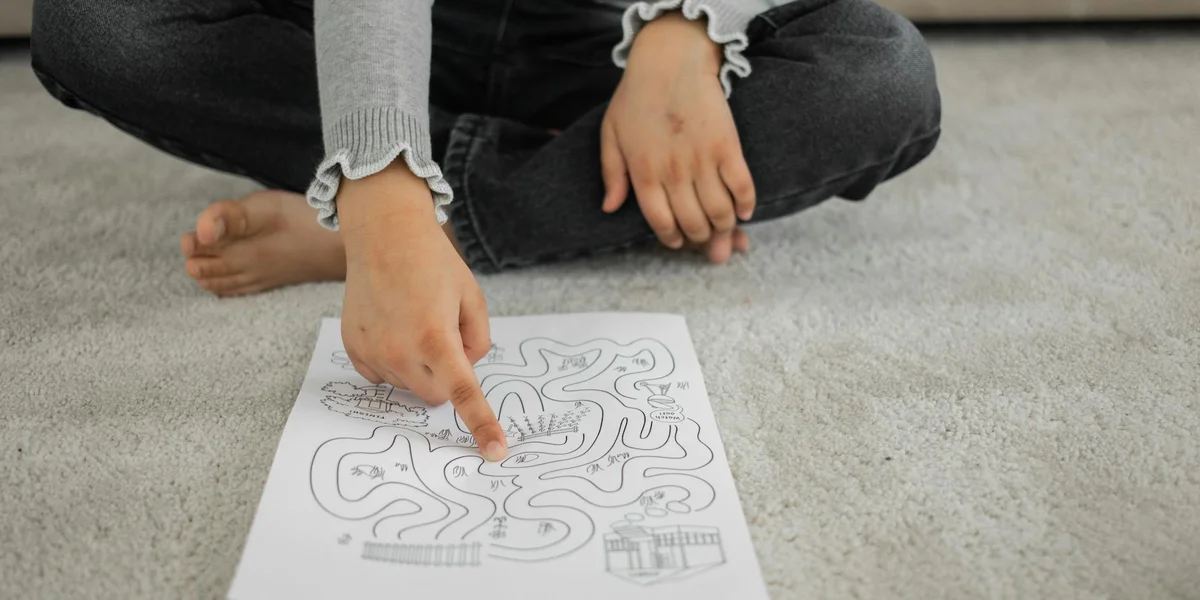
Beneath the surface narrative, these dreams are a masterclass in your mind’s relationship with control. The anxiety you feel is a raw, unfiltered expression of your waking life’s low-grade uncertainties. These anxiety dreams can reveal which waking-life stressors are most salient—work pressures, relationship tensions, or financial worries. Interpreting the symbols can help you pinpoint what needs attention in daily life.
Your dreaming brain is simulating a “loss of control” scenario to help you practice resilience and problem-solving in a safe space. It’s like a flight simulator for emotional turbulence. By confronting the fear of being lost in sleep, you build cognitive flexibility for waking challenges. From a psychological perspective, dreams are not literal messages but reflections of memory, emotion, and problem-solving processes. They can reveal how you process stress and priorities in daily life.
This process is deeply tied to memory and learning. The disoriented feeling often arises when your brain is integrating new experiences with old knowledge, struggling to create an updated “cognitive map”—much like when you feel confused or disoriented in a dream. That’s why these dreams spike during times of rapid change or learning.
Fundamentally, a lost dream is your subconscious mind advocating for a pause, a deep breath, and a recalibration of your internal GPS. It is not a sign of weakness, but proof of your psyche’s active, engaged work to guide you toward wholeness. Listening to its message is the first step to finding your way.
Spiritual Crossroads and Biblical Meanings of Lost Dreams
Dreams of being lost often arrive at spiritual inflection points. They shimmer with a potent, ancient energy that has echoed through sacred texts for millennia. This isn’t about punishment, but about a profound call to attention from your soul.
In a spiritual context, the feeling of disorientation is a powerful metaphor for a soul-searching phase. The path isn’t hidden from you; it’s hidden within you, waiting for your conscious mind to quiet down enough to see it. I’ve felt this in my own life, waking from a lost dream with a strange sense of urgency, only to realize weeks later it coincided with me ignoring a deep-seated need for change.
The Wilderness as a Sacred Testing Ground
Biblically, the wilderness is never just a physical place. It’s a state of being stripped bare of familiar comforts to encounter a deeper truth. Think of the Israelites wandering for 40 years. Their physical lostness was a mirror for internal refinement, a necessary process to shed a slave mentality and embrace a new identity.
Your dream of an endless desert or a dense, untamed forest may mirror this. You are in a personal wilderness, a space between who you were and who you are becoming, and the dream highlights the unease of this transformation. It’s a sacred, if uncomfortable, incubation period.
Biblical Symbols of Being Lost and Found
- The Lost Sheep (Luke 15:3-7): This is a direct metaphor for divine seeking. Dreaming of being the lost sheep can signal a feeling of having strayed from your core values or spiritual practice. The emotional tone is key-does it carry loneliness, or is there a subtle hope of being searched for?
- The Prodigal Son (Luke 15:11-32): Here, being lost is a conscious choice leading to consequence and, ultimately, glorious return. If your dream involves choosing the wrong road or leaving a known place, it may reflect guilt or a conscious knowing you’ve wandered from your authentic path.
- Wandering in the Desert (Exodus): This symbolizes a prolonged period of trial, doubt, and provision. Are you feeling spiritually parched, trudging through a situation that seems to have no end? The dream validates the struggle but also hints at the potential for manna-unexpected sustenance on the journey.
These stories universally frame being lost not as a final state, but as a necessary prelude to being found with greater wisdom and commitment. Your dream may be inviting you to stop fighting the wilderness and instead look for the small signs of guidance within it.
From Panic to Insight: How to Analyze Your Specific Lost Dream

That jolt of anxiety upon waking is real. But within that visceral reaction lies the map to your insight. The goal isn’t just to name the symbol, but to understand why it visited you *now*. Let’s transform your panic into a practical, step-by-step exploration.
Step 1: Capture the Sensory Details Immediately
Keep a notebook by your bed. Upon waking, before you check your phone, write down everything. Don’t censor. The specific texture of your lost dream holds more meaning than the general theme.
- Location: A labyrinthine hospital feels different from a foggy mountain trail. One may speak to health anxieties, the other to a lofty goal you can’t see your way toward.
- Time of Day: Being lost in a blinding noon sun suggests overwhelm in clear sight. Being lost in deep twilight speaks to uncertainty in a time of transition.
- Colors: Were the hues muted and gray, or surprisingly vivid? Dull colors can mirror emotional fatigue, while vivid ones might highlight the intensity of your journey.
- Sound: Was it eerily silent, or filled with chaotic noise? Silence can indicate isolation, while noise often mirrors mental clutter.
Step 2: Interrogate Your Emotional Compass
Ask yourself: What was the *dominant* emotion? Fear is common, but dig deeper. Was it primarily frustration? A strange curiosity? A numb resignation?
The emotion you felt in the dream is the most honest indicator of how you’re truly navigating a waking situation. I once dreamt of being lost in a library. My feeling wasn’t fear, but overwhelmed excitement-a clear message from my subconscious that my pursuit of knowledge had no focus.
Common Emotional Threads & Their Waking Links:
| Dream Emotion | Potential Waking-Life Link |
|---|---|
| Panic & Helplessness | Feeling out of control in a major life area (job, relationship). A sign to identify what you *can* influence. |
| Frustration & Anger | You know the right path but feel blocked by external circumstances or internal procrastination. |
| Curiosity & Exploration | You’re in a new phase of self-discovery. Being “lost” is actually an open-minded search. |
| Numb Detachment | Potential for burnout or disassociation. Your psyche may be signaling emotional overload. |
Step 3: Ask Your Dream Self Direct Questions
Have a dialogue with your dream journal. This is where intuition sings.
- What in my current life feels directionless or without a clear map?
- Where am I ignoring my internal compass or intuition?
- If the lost place in my dream was a part of my psyche, what would it be? (e.g., the endless mall = my consumer impulses, the dark forest = my unexplored creativity).
- Was anyone with me? A stranger might be an unexplored part of yourself. A known person may reflect qualities you associate with them.
Trust the first answer that floats up without judgment-that’s your subconscious speaking its native tongue. With consistent practice, this process shifts dreams from scary puzzles to profound nightly counsel, directly supporting your mental well-being and journey to self-trust.
Calming the Night: Practical Tips for Sleep Hygiene and Dream Recall
Waking up from a dream where you’re lost can leave your heart racing and your mind in a fog. Improving your sleep hygiene directly influences the clarity and emotional tone of your dreams, turning frantic nights into insightful journeys. I remember weeks of disjointed sleep where my dreams were all tangled highways and dead ends, but small changes brought back a sense of calm.
Your body craves rhythm to function at its best, especially when processing the day’s emotions. A consistent sleep schedule trains your brain to enter deeper, more restorative stages where dreams can unfold more coherently. Try to go to bed and wake up at the same time, even on weekends; it made a world of difference in my own dream recall.
- Create a pre-sleep ritual to signal safety to your subconscious. This could be five minutes of light stretching, reading a physical book, or practicing gentle breathwork. I often drink chamomile tea, which helps soothe my mind before sleep.
- Keep a notebook and pen right on your nightstand. The moment you wake, jot down any detail-a sound, a color, a feeling. This habit strengthens your brain’s ability to hold onto dream memories.
- Make your bedroom a cave for sleep. Use blackout curtains, ensure the room is cool, and remove electronic distractions. A peaceful environment reduces anxiety that can fuel dreams of being lost.
- Be mindful of your evening intake. Heavy meals or caffeine too late can disrupt sleep architecture and lead to more agitated dreaming. I noticed my lost dreams became less frequent when I ate dinner earlier.
If you jolt awake from a disorienting dream, lie still and breathe deeply. Replaying the dream’s sensory details-the chill of the air, the blur of street signs-can help capture it before it slips away. Trust that this practice not only aids recall but also reduces fear around these experiences.
When Being Lost is a Guide: Embracing the Message for Growth
That feeling of being lost in a dream doesn’t have to be a terrifying omen. Often, it’s your psyche’s gentle way of pointing you toward areas of your life yearning for attention or change. If you’ve dreamt of being lost or trapped, you might wonder what it means in waking life. During a time of personal transition, I had recurring dreams of wandering in a vast, foggy park, which later mirrored my need to explore new creative hobbies.
From a psychological lens, these dreams highlight the parts of yourself you may be avoiding or have yet to integrate. What does it mean when we dream? Dream psychology asks us to translate the imagery behind dreaming into meaning about our inner life. Seeing the dream as a map rather than a maze shifts your perspective from one of fear to one of curious exploration. The confusion itself is a potent catalyst for self-discovery.
- Focus on the emotion you felt in the dream. Were you panicked, or surprisingly calm? The emotional residue is a truer guide than the plot. Panic might signal a waking life stressor, while calm curiosity could indicate readiness for an adventure.
- Decode the specific landscape of your lostness. Being lost in a school suggests unfinished learning, while a dense forest might represent entering the unknown of your inner world. Write these symbols down and sit with them.
- Ask your dreaming self for guidance before sleep. Pose a simple question like, “What do I need to see?” This sets an intention and can lead to more lucid, insightful dreams. My own dreams became more navigable after I started this practice.
Spiritually, many paths view being lost as a necessary descent before finding greater truth. This dream symbol can be a powerful invitation to release old identities and make space for new growth. It reminds us that not all who wander are without purpose.
In your waking hours, carry the dream’s question with you. Mindful reflection, like a short walk in nature or journaling, can help translate the night’s message into actionable daytime wisdom. Embracing the lost dream as a guide fosters incredible emotional healing and strengthens your trust in the journey itself.
FAQs
What does it mean if I dream about getting lost and also losing my belongings?
This specific variation shifts the focus from general disorientation to a fear of losing something precious. The lost item often symbolizes a quality, relationship, or resource you feel is slipping away in your waking life, like your confidence or a personal connection. To understand it, identify what the lost object represents to you and consider where you might be neglecting that part of yourself amidst daily demands.
I dreamt of getting lost in a shopping mall. What’s the interpretation?
A mall in a dream typically represents a world of choices, consumerism, and social expectations. Getting lost there often reflects feeling overwhelmed by too many options or external pressures to “have it all,” leading to decision paralysis or a loss of personal identity. You can counter this by simplifying your choices in a key area of life and focusing on what you genuinely value versus what you’re told to want.
Is there a biblical meaning for dreaming about being lost on a bus or in a city?
While not a direct biblical narrative, this scenario can be viewed through the lens of biblical themes like exile or pilgrimage. It may symbolize feeling like a stranger in a worldly system or being passively carried along a path that isn’t of your choosing, much like the Israelites’ captivity. This dream encourages you to seek spiritual direction and actively reclaim your agency, asking if you are driving your life’s journey or merely a passenger.
Finding Your Way Forward
Treat the unsettling feeling of being lost in a dream as a direct conversation with your subconscious, asking you to pause and check your internal map. Listen to its clues, review where you feel adrift in your waking life, and see this not as a failure but as a sacred invitation to reorient yourself toward what truly matters to you. To sharpen dream interpretation, ask the right questions. What is this dream really telling me about my waking life, and what action would align with my values?
These dreams are a universal experience, not a prophecy of doom, but a testament to your mind’s powerful capacity for course-correction and growth. Fear the feeling no more; trust that within you lies a resilient inner compass, always ready to guide you home to yourself. Here’s to sweet dreams and ever-clearer paths.
At Night Omen, we delve into the fascinating world of dreams to uncover their deeper meanings and symbolism. Our team of dream interpreters and psychological experts is dedicated to providing accurate, insightful interpretations to help you understand the messages your subconscious is sending. Whether you’re seeking clarity after a vivid dream or simply curious about recurring symbols, our trusted resources guide you on your journey of self-discovery through the mysterious realm of dreams.
Dream Analysis Techniques