What Do Dark Figures in Dreams Mean? Interpreting Shadowy Visitors
Published on: April 20, 2026 | Last Updated: April 20, 2026
Written By: Morpheous
Hello Dreamers, dark figures in dreams commonly symbolize hidden fears, repressed emotions, or unconscious aspects of your self asking for attention, not a portent of doom. That haze of dread upon waking is your psyche’s nudge, not a nightmare’s chain.
I’ve felt that chill too, but through my journey, I’ve seen these figures as guides to inner light. Here, we’ll uncover their hidden messages. We’ll walk through:
- The Jungian concept of the shadow and personal integration
- Spiritual meanings across different belief systems
- How the figure’s actions and your feelings refine the interpretation
- Actionable steps for reflection and emotional healing
Decoding the Shadow: An Introduction to Dark Figures
Dark figures in dreams are those vague, often unsettling forms that drift through your sleep. They might be formless shadows, sharp silhouettes against a dream wall, or humanoid shapes that blur when you try to focus on their features.
Common sensory experiences include the chill of presence, the haze of movement in your peripheral vision, and the jolt of fear upon waking. Your body reacts to the dream’s emotional truth before your mind catches up.
I once dreamed of a dark figure watching me from a window. It had no distinct shape, just a pool of deeper night, and I woke with a start, my breath shallow. That feeling of being observed lingered, prompting me to explore my own boundaries.
Universal themes in these dreams include:
- Mystery: The unknown nature of the figure sparks curiosity.
- The unknown: Facing what we cannot see or understand.
- The allure of interpretation: The drive to find meaning in these enigmatic visitors.
Common Night Visions: Scenarios and Their Hidden Messages
Let’s explore specific scenes where dark figures appear and what they might whisper from your subconscious.
- Being chased or attacked: This often mirrors feeling pursued by anxiety or an unresolved issue in your waking life. Your mind is dramatizing that relentless pressure.
- A dark figure approaching: This can signal confronting a new fear or an incoming change. The distance closing represents your awareness growing.
- Being followed: You might be carrying a burden from the past or wrestling with a sense of being watched or judged. The figure is that weight, made visible.
- Seeing a stationary shadow: This points to acknowledging a repressed part of yourself or a silent worry you’ve been ignoring. It’s a call to notice what stands still in your mind.
- A dark figure in your house: Your house symbolizes your inner world. Turmoil here reflects personal life or psychic unrest, something disturbing your sense of safety.
- The figure is someone you know: You could be projecting unrecognized traits of that person or aspects of your relationship onto the shadow. It’s a mirror for feelings you haven’t named.
In some cultural views, like certain Islamic interpretations, dark shadows might be seen as jinn or spiritual tests. This perspective frames the encounter as a call for spiritual vigilance alongside psychological insight.
The Psyche’s Language: Psychological Roots of Shadow Dreams
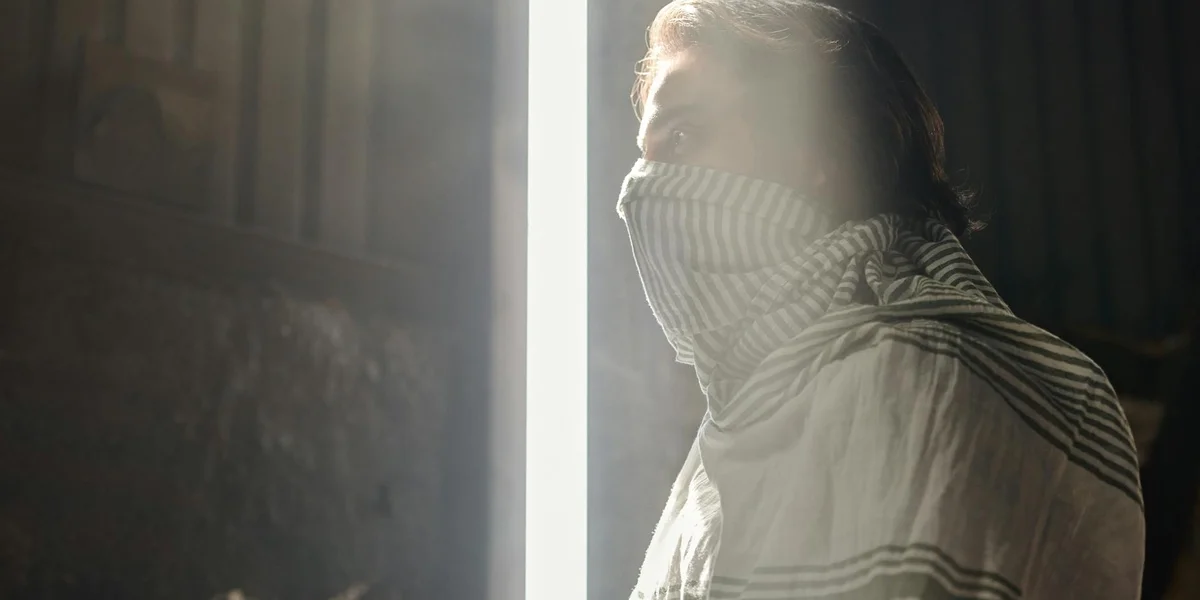
Carl Jung called it the “shadow self”-the parts of you that you repress, like anger, shame, or forgotten memories. Dark figures in dreams often personify this shadow, giving form to what you keep hidden.
These visions connect directly to psychological states. The chill of fear might link to anxiety, while feeling trapped by a shadow could echo helplessness or overwhelm in daily life.
Sometimes, these dreams point to repressed memories or unprocessed trauma. Your mind uses symbols to express what words cannot, urging you toward healing. Are the most common dream symbols fixed in meaning? In practice, meanings vary by person and context, even as some symbols carry widely shared associations.
Remember, these figures are often not omens but messengers from your subconscious mind. They urge you to look inward, to acknowledge what you’ve pushed away for your own mental well-being.
Stress and poor sleep hygiene directly fuel such intense dreams. Prioritizing rest and calm before bed can soften these night visions, making them less frightening. If you wake up after a bad dream, take a moment to breathe and ground yourself. Then ease back into sleep with a calming routine.
Archetypes in the Gloom: Symbolic Beings You Might Meet
While a dark figure often starts as a silhouette, your sleeping mind loves to add details. Over years of tracking my own dreams, I’ve noticed these forms aren’t random. They often crystallize into recognizable archetypes, each carrying a distinct message from your subconscious.
-
The Watcher
This figure doesn’t chase; it observes from a corner, a doorway, or the foot of your bed. The feeling is one of silent scrutiny. In my own experience, The Watcher emerged during a period of intense self-judgment about my career path. This archetype often mirrors your own inner critic, that voice pointing out every flaw, or it reflects a feeling of being judged in your waking life. It’s paranoia made manifest. If you feel watched at work or in a relationship, this figure can materialize to hold up a dark mirror to that anxiety.
-
The Uninvited Guest
This one enters your dream space without permission. You’re in your childhood home, and it walks through the back door. You’re in a safe room, and the lock fails. The jolt is visceral. This archetype represents intrusive thoughts, sudden life changes, or burdens you didn’t ask for crashing into your mental space. It’s that bill you forgot, a difficult conversation you’re avoiding, or a responsibility that feels like it’s invading your peace. Its presence underscores a violated boundary.
-
The Monster
Here, the darkness takes a fearsome, often grotesque form. It chases, it towers, it bears claws or fangs. The fear is primal and overwhelming. This figure embodies raw, untamed emotion-usually fear or anger-that feels too big to handle in your waking life. It might be the terrifying scale of a financial threat, the “monstrous” anger you feel but can’t express, or a health scare that threatens your sense of security. It gives a face to the formless dread.
-
The Shape-shifter
Most unsettling of all, this figure refuses to hold one form. It might be a friend one moment and a stranger the next. Its very nature is fluid and deceptive. Dreaming of a shape-shifting dark figure points to uncertainty, lies (from others or self-deception), or a situation where the rules keep changing. It connects to that sinking feeling when someone’s behavior is inconsistent, or when your own feelings about a person or goal are in constant, confusing flux.
Dreams and Wellness: What Dark Figures Say About Your State of Mind
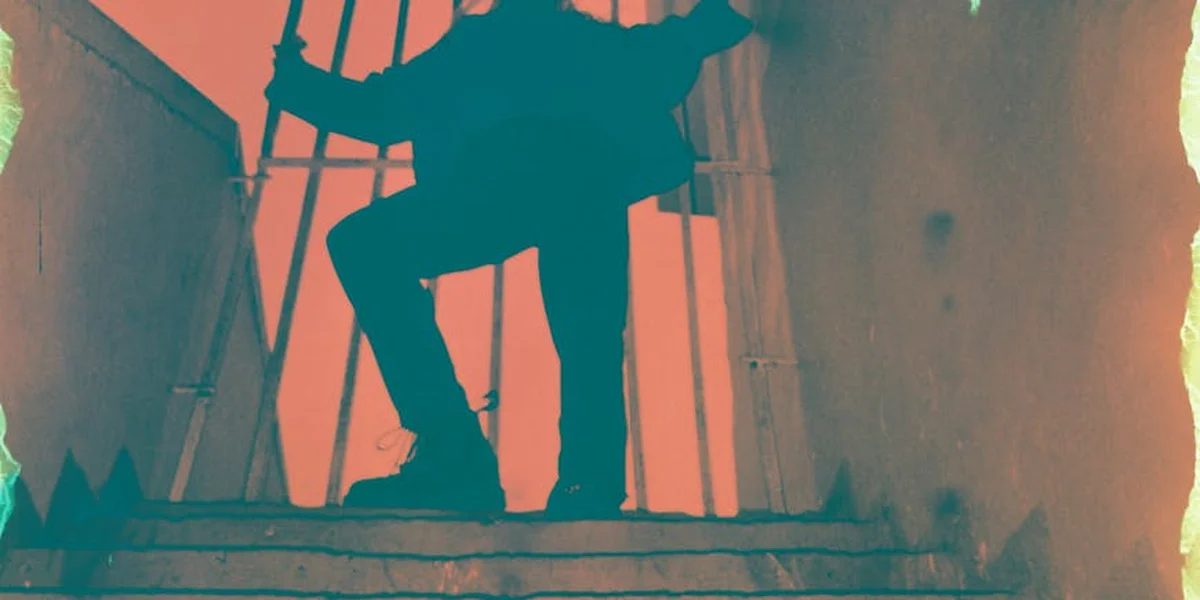
These visions are more than scary stories; they are vital diagnostics from your inner self. The specific emotion you feel in the dream is your clearest guide to what needs attention, especially when you’re feeling confused or disoriented in a dream.
-
Fear and Anxiety
A pervasive, chilling fear alongside the figure often maps directly to generalized stress. Your body’s nervous system, overloaded from daily worries, completes its processing shift in this dramatic way. Your dream is literally acting out the physiological anxiety your waking mind is trying to manage. It’s your psyche’s pressure valve. Do these anxiety dreams reveal waking-life stressors? They often mirror the kinds of pressure you’re carrying—work deadlines, relationship tensions, health concerns—even if you don’t name them directly.
-
Feeling Powerless
If you freeze, can’t run, or your voice fails you, look at where you feel helpless in your life. A controlling boss, a draining relationship, or a societal pressure can all manifest as a figure that renders you immobile. This dream sensation highlights areas where you crave autonomy and a regained sense of personal power.
-
Grief and Trauma
Sometimes the figure isn’t frightening, just profoundly sad or attached to a specific, painful memory. It may stand in a place associated with loss. These dark visitations can be unhealed emotional wounds finally surfacing, asking gently yet persistently for your compassionate attention. They are ghosts of past pain seeking resolution.
-
Burnout
When you are spiritually and mentally exhausted, your defenses are down. The mind’s metaphorical “security system” falters. In this depleted state, even minor stresses can be cast as threatening figures, a sign your system is overloaded and desperately needs restorative care and sleep hygiene.
Please hold self-compassion close. Seeing these figures is a sign your psyche is trying to communicate, not a sign of weakness. The very act of remembering is a step toward integration. I strongly advocate for a simple dream journal; noting not just the figure, but the emotion you felt upon waking, can reveal powerful patterns and triggers. This practice turns fear into fascinating self-discovery.
From Fear to Clarity: Practical Steps for Understanding and Coping
Immediate Aftermath: Calming the Nervous System
Waking up from a dark figure dream, your heart might be a drum in your chest. The first task is not interpretation, but regulation. I sit up slowly, place my feet flat on the floor, and name three things I can see. This simple grounding exercise pulls me from the adrenaline haze back into my quiet bedroom.
Four-count breathing is my anchor: inhale for four, hold for four, exhale for four, hold for four. It signals safety to my body. A sip of cool water also helps, a tangible sensation that marks the boundary between the dream world and this one.
Dream Re-entry: Rewriting the Narrative
Once calm, you can safely revisit the dreamscape while awake. Close your eyes and recall the scene. This time, you hold the power. This is the essence of lucid dreaming: recognizing you’re dreaming and guiding the next moment. In this introduction to controlling your dreams, you’ll learn simple techniques to exercise that power. In my own practice, I’ve gently asked a looming figure to step into the light, or imagined myself standing firm as it dissolves.
Dream re-entry allows you to change the ending, transforming a memory of fear into one of empowerment. You are not erasing the message, but altering your relationship to it. Did you run? Try turning to face it. Was it silent? Ask it a single question.
Daylight Dialogue: Journaling with the Shadow
Open your journal and describe the figure with as much detail as you can. Then, start a written dialogue. Write a question from you to it: “What do you represent?” or “What do you need me to know?” Then, let your intuition guide the answer you write back.
This process personifies the fear, often revealing it as a disowned part of yourself seeking acknowledgment. The answers that flow can be startlingly clear, pointing directly to unspoken stress, ignored grief, or a hidden strength you’re reluctant to claim.
Lifestyle Adjustments: Fortifying Your Sleep Sanctuary
Frequent nightmares can be a sign of overwhelmed nerves. Improving sleep hygiene builds a more resilient mindscape. Start with consistency-going to bed and waking at similar times, even on weekends, trains your brain for calm. This can be especially helpful in stopping recurring nightmares.
Reduce blue light from screens at least an hour before bed; the glow disrupts melatonin, the very hormone that guides you into peaceful sleep. Consider your evening intake, too. Caffeine, heavy meals, or even intense news can fuel a restless psyche. A pre-sleep ritual of reading or gentle stretching makes a world of difference.
Seeking Support: When to Share the Weight
If these dreams cause persistent daytime anxiety or disrupt your life, sharing them with a professional is a profound act of self-care. A therapist, especially one versed in dream work or Jungian psychology, can help you navigate the symbolism without fear. Dreams about specific objects often function as symbols pointing to hidden concerns or desires. Exploring these object-symbols with a trained therapist can illuminate what your subconscious is trying to communicate.
They provide a container for your experience, helping you integrate the messages from your subconscious for lasting emotional healing. You are not meant to decipher every shadow alone. Seeking guidance is a sign of strength, a commitment to your own mental well-being.
Beyond the Veil: Spiritual and Metaphysical Perspectives
From a spiritual lens, a dark figure is rarely just a monster. Many traditions see such forms as guides, protectors, or catalysts arriving to initiate transformation. They might represent an ancestral spirit, a part of your higher self, or a symbolic omen urging caution.
Some believe these figures can be manifestations of external energy, a call to cleanse your personal space or strengthen your emotional boundaries. The figure’s posture matters-a looming threat feels different from a silent observer, which can feel different from a distant guardian.
- As a Guide: It may appear ominous to get your full attention, blocking your path in a dream to force you onto a new one in waking life.
- As a Protector: In some experiences, a dark figure stands between the dreamer and another, greater danger. Its darkness is not its nature, but its cloak.
- As a Catalyst: Its sole purpose might be to trigger a profound fear you need to feel and release, burning away an old pattern to make way for new growth.
Balancing these views with psychology is key. A spiritual interpretation does not negate the inner work; it can deepen it. Trust the intuitive gut feeling you had upon waking-that immediate sense of dread, curiosity, or strange recognition holds the first clue. Your initial reaction is a compass pointing toward the most relevant meaning for you.
Remember, spiritual interpretation is deeply personal and varies across belief systems. What resonates as a spiritual messenger to one person may perfectly align with another’s understanding of the subconscious shadow. The ultimate authority on your dream is you, learning to speak the unique language of your own soul. You can begin to interpret your dreams from a spiritual perspective, inviting symbols to guide your inner growth. When you approach this work with intention, your dreams feel like a trusted dialogue with the deeper layers of yourself.
FAQs
What does it mean when you dream about a dark figure?
Dreaming of a dark figure generally symbolizes encountering hidden fears, repressed emotions, or unconscious aspects of your psyche seeking acknowledgment. It’s a call from your subconscious to explore these elements for personal integration and emotional healing. To respond, note the figure’s behavior and your feelings in the dream, then use journaling or reflection to uncover related waking-life stresses. Understanding what dreams mean from a psychological perspective can aid in this process.
What does “drop distance” refer to in dreams about dark figures?
“Drop distance” in such dreams often metaphorically represents the perceived gap between you and a looming issue or fear, reflecting how imminent or distant a challenge feels. It can signify your readiness to confront changes or anxieties, with a shrinking distance urging attention. To cope, observe if the figure is closing in or staying far, and practice grounding techniques to manage associated anxiety.
How are dark figures in dreams interpreted in Islam?
In Islamic dream interpretation, dark figures may be viewed as jinn or spiritual tests, prompting self-reflection and increased devotion. They can serve as reminders to seek protection through prayer, recitation of Quranic verses, and ethical conduct. It’s beneficial to consider the dream’s context and consult with knowledgeable individuals to discern whether it carries a warning or a call for spiritual growth. Looking at the overall theme of the dream and its impact on your emotions can help you tell if a dream is a spiritual warning or message.
Moving Forward with Clarity
Remember, the most powerful interpreter of your dream is you. Pay close attention to the emotions you felt during the encounter and the unique personal symbols that appeared alongside the dark figure. These clues hold the specific message meant for your waking life, guiding you toward integration and wholeness.
Understanding the language of these visions can transform nighttime fear into a profound tool for self-awareness. With this insight, you can meet the shadows not with dread, but with curiosity, and reclaim the peaceful rest you deserve. May your nights be lighter and your dreams be sweet.
At Night Omen, we delve into the fascinating world of dreams to uncover their deeper meanings and symbolism. Our team of dream interpreters and psychological experts is dedicated to providing accurate, insightful interpretations to help you understand the messages your subconscious is sending. Whether you’re seeking clarity after a vivid dream or simply curious about recurring symbols, our trusted resources guide you on your journey of self-discovery through the mysterious realm of dreams.
Psychological Perspectives