What Does It Mean to Scream in a Dream? Spiritual and Psychological Insights
Published on: April 18, 2026 | Last Updated: April 18, 2026
Written By: Morpheous
Hello Dreamers, Screaming in a dream is your subconscious mind’s raw attempt to express emotions-like fear, frustration, or a deep need for release-that you might be silencing in your daily life. That sudden gasp or the echo of your own voice in the haze of sleep? It’s a messenger, not a monster.
Let’s gently unpack the hidden messages in this vivid experience. I’ll share wisdom from my own dream journals and years of analysis to guide you.
We’ll explore:
- The spiritual awakening a scream can signify
- Psychological interpretations rooted in Jungian theory
- Common variations, like silent screams or screaming at someone
- Practical steps for emotional healing and better sleep hygiene
The Core Meaning: Why Your Subconscious Mind Screams
When your dream-self lets out a scream, it’s rarely about the surface event. This is your primal inner voice, bypassing all polite filters, making an urgent delivery from the depths of your psyche. In my years of tracking my own dreams, a scream always signals that an emotion has reached a critical mass-it can no longer be contained in the quiet corridors of everyday thought.
The Voice of Unspoken Emotion
Think of a scream in a dream as a pressure valve releasing. Your waking mind might be saying “I’m fine,” but your subconscious is at its limit. A dream scream is the raw, unfiltered sound of feelings you haven’t fully expressed or even acknowledged while awake. This could be pent-up frustration at work, grief you’re trying to manage, or a anger you’ve swallowed for the sake of peace.
From a spiritual perspective, this scream isn’t a sign of weakness but of profound sensitivity. It’s your soul’s way of shaking you awake to an emotional truth that needs your compassionate attention. I’ve learned to greet these jarring dreams not with alarm, but with curiosity, asking myself: “What, in my life, is begging to be heard?”
Color and Context: Nuances in the Dreamscape
The specific details of your scream dramatically color its meaning. The context is your subconscious providing the caption.
- A scream of terror (like in a chase) points to a waking situation where you feel trapped or pursued by pressures.
- A scream of anger often flares in dreams about unfairness, revealing where your boundaries are being crossed.
- A scream for help that goes unanswered might mirror feelings of isolation or a fear that no one sees your struggle.
Notice the environment. Screaming in your childhood home ties the emotion to older patterns or family dynamics, while screaming in a vast, empty space speaks to loneliness or a fear your voice doesn’t matter. The time of day matters, too-a scream in a dark, nighttime dreamscape suggests a fear rooted in the unknown, while one in bright daylight might indicate an issue you’re consciously avoiding.
When Silence Falls: Dreaming of Screaming with No Sound
This is one of the most common and unsettling variations. You strain, your throat muscles tight, but all that emerges is a strained whisper or nothing at all. The sensation of a muted cry is a direct mirror of experiences where you feel silenced, invalidated, or unable to speak your truth. I’ve had these dreams during periods where I felt professionally stifled, and the physical feeling of vocal cords blocked was viscerally real upon waking.
The Muted Cry and Waking Life Parallels
This dream is a powerful metaphor. It asks you to look at areas in your life where you are swallowing your words, stifling your opinions, or feeling that your perspective isn’t welcome. The paralysis in the dream often matches a sense of powerlessness in a waking relationship or situation. This dream’s frustration points to being stuck, restrained, or blocked in daily life, offering a symbolic map to release what has felt held back. Recognizing this symbolism can help you find concrete steps to regain voice and agency.
Psychologically, it’s a sign of disconnection between the intense emotion (the urge to scream) and your ability to express it. Healing starts by giving that stifled part of yourself a gentle outlet-perhaps through journaling, art, or a confidential conversation where you promise yourself you won’t hold back. Trust that your dream is highlighting this blockage so you can compassionately dissolve it.
In the Grip of Fear: Screaming During Chases and Nightmares
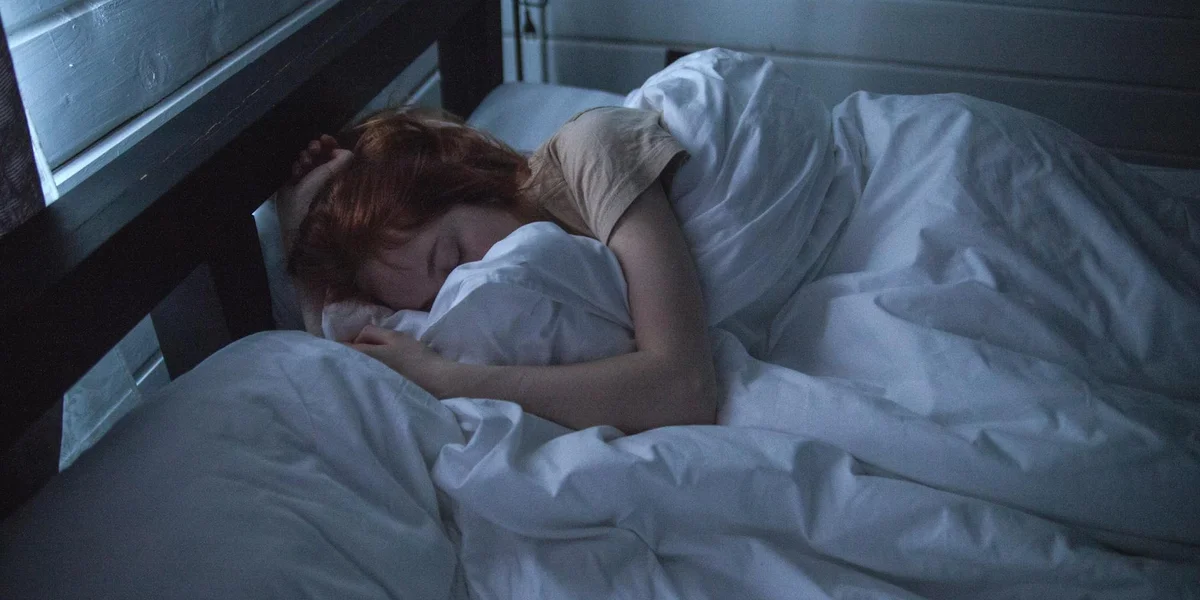
Here, the scream is a pure survival instinct. Your body is in the dream, and it’s reacting to perceived mortal danger. This scream is less about unspoken emotion and more about your nervous system shouting, “This is too much! I am not safe!” It’s the mind’s way of simulating a threat to prepare you, however clumsily, for waking-life stressors.
The Body’s Alert: Physical Sensations and Wake-Ups
Often, these screams are what jolt you awake, heart pounding, sometimes with a actual gasp or cry. This is your body completing the stress cycle it started in the dream, a flush of adrenaline demanding your attention. Pay close attention to what you were running from. An unknown figure? A looming deadline? A monstrous shape? The pursuer symbolizes the source of your anxiety.
After such a dream, practice immediate grounding. Feel your feet on the floor, take five deep breaths, and remind yourself you are safe in your room. This simple act tells your nervous system the threat has passed. This calm is particularly useful if you wake up unsettled from a nightmare, helping you fall back asleep after a nightmare more quickly. When in doubt, repeat the grounding steps to return to rest. Improving sleep hygiene—like a calming pre-bed routine—can reduce the frequency of these high-alert dreams by lowering your overall stress baseline.
The Psychological Lens: Anxiety, Stress, and Unprocessed Trauma
When you scream in a dream, your subconscious is often simulating a stress response your waking body is suppressing. It’s a direct line to your nervous system. That raw, vocal burst is your psyche’s attempt to process overwhelm that hasn’t found a healthy outlet during the day.
Think of it as pressure release valve for emotional steam. You might be managing daily irritations, holding back opinions at work, or carrying a low hum of existential worry. The scream in your dream is the manifestation of that accumulated tension, finally given a voice it’s denied in waking life. It’s less about fear of a monster and more about the strain of unexpressed frustration.
From My Dream Journal: A Personal Note on Catharsis
I once went through a period of intense people-pleasing, saying “yes” when I meant “no.” My dreams became a theater of silent struggles, until one night, I dreamt I screamed at a vast, blank wall. The sound was deafening, and I woke with a gasp, not from fear, but from a strange, hollow relief. My throat even felt scratchy.
That dream was a turning point. It forced me to confront how much quiet resentment I was storing in my body, mistaking compliance for peace. The scream wasn’t destructive; it was communicative, a signal from a deeper part of me that had reached its limit. After that, I began the delicate work of setting gentler boundaries while awake.
If your dream scream is tied to a specific trauma memory, it can be a sign of the mind attempting to metabolize the experience. The brain reprocesses events during sleep, and sometimes the associated emotion-terror, fury, helplessness-explodes out as a scream. This can be startling, but it’s a sign of movement, not stagnation.
- Muffled or Silent Screams: Often point to feelings of powerlessness or being ignored in a waking situation. You’re trying to speak your truth, but feel no one hears you.
- Screaming at Someone Specific: Signals unresolved conflict or anger with that person, or with a quality they represent that you see in yourself.
- Someone Else Screaming: May represent a part of your own psyche in distress that you’re not fully acknowledging-your inner child, your fatigued body, your stifled creativity.
The Spiritual Perspective: Alarms, Releases, and Energetic Shifts
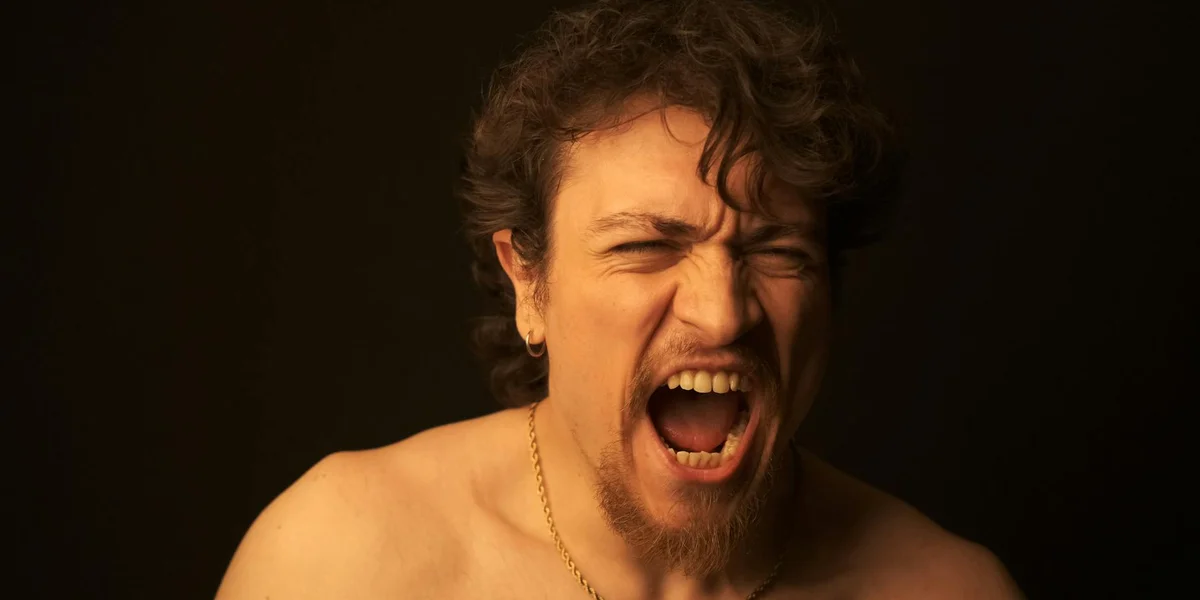
Beyond psychology, a scream in the dreamscape can be a powerful spiritual alert. It’s often interpreted as your soul or higher self creating a jolt to shift your awareness. Think of it as a cosmic wake-up call when you’ve been sleepwalking through your own life.
This spiritual scream can signal a necessary rupture. You might be clinging to a path, relationship, or belief system that no longer serves your growth. The terrifying sound in your dream can symbolize the painful but essential break from old patterns, clearing stagnant energy to make way for the new. It’s the sound of a shell cracking.
Echoes in the Ether: Symbols of Spiritual Communication
Pay close attention to the details surrounding the scream. They are clues to the message.
- Where You Are: Screaming in a vast forest might relate to a call back to your wild, intuitive nature. Screaming in a familiar house could signal dysfunction in your personal foundation or family system.
- What Happens After: Does silence fall? Does help arrive? The aftermath shows the potential resolution. Peace after the scream suggests a cleansing release is possible.
- Who Hears It: If a specific dream figure hears and responds, it may symbolize an aspect of yourself or a spiritual guide finally receiving your distress signal.
I’ve also learned from my own experiences and those shared with me that a dream scream can sometimes be a form of psychic release for collective energy. During times of widespread anxiety, sensitive individuals might process this energy through such vivid, visceral dreams. Your personal scream might be helping to dissolve a knot of fear you’re carrying not just for yourself, but as an empathetic being in a turbulent world. Grounding practices upon waking, like drinking water or walking barefoot on grass, can help reaffirm your personal boundaries.
Decoding Your Scream: A Step-by-Step Guide to Personal Interpretation
That moment you wake with the echo of a scream in your ears is deeply personal. To interpret your dream scream accurately, you must become a detective of your own subconscious, piecing together clues only you can fully understand. I remember waking from a scream dream where my voice was utterly gone, a haze of panic lingering until I traced it back to a difficult conversation I’d avoided. If the theme centers on your own voice failing you, you might wonder what that silence means. Often it reflects feelings of powerlessness or a hesitation to speak up in waking life. Follow these steps to uncover what your spirit is trying to express.
- Pinpoint the Scene: Where did the scream happen? A crowded street at dusk feels different from a familiar, empty bedroom at dawn. The location sets the emotional stage.
- Listen to the Sound Itself: Was it a silent scream, a raw burst of sound, or a muffled cry? A silent scream often points to feelings of powerlessness in waking life.
- Scan Your Dream Body: How did your throat feel? Did your chest tighten? Your physical sensation in the dream is a direct messenger from your nervous system.
- Note the Reaction: Did anyone hear you? Their response-or lack thereof-can mirror feelings of being ignored or supported in your daily world.
- Connect to Waking Life: Jot down any recent events, frustrations, or fears that carry a similar emotional charge. The scream is rarely about the sound itself, but the pressure behind it.
Your Dream Dictionary: Building a Personal Symbol Log
Generic symbol lists are helpful, but your psyche speaks a dialect all its own. Creating a personal dream dictionary transforms vague confusion into clear, recurring messages from your inner self. Start with a simple notebook or digital note dedicated solely to your nightly journeys, and learn how to create a personal dream interpretation guide to make sense of the symbols and themes that appear.
- Record every detail: colors (was the room bathed in cold blue light?), weather, numbers, and especially the people who appear.
- Next to each symbol, write not just a standard meaning, but how it felt to you. A snake might mean “transformation” to many, but if your gut says “betrayal,” trust that.
- Look for patterns over weeks. You might see that screams happen in dreams preceding days where you feel your opinion isn’t valued.
I’ve kept my log for years, and it showed me that my scream dreams often feature the color gray-a personal shorthand for emotional numbness I hadn’t acknowledged.
From Dream to Dawn: Integrating the Message for Emotional Healing
Holding the message of your dream scream is the first step; letting it soften and guide you is where healing begins. These powerful dreams are not portents of doom, but invitations to release stored emotional energy with compassion. The jolt of waking up can be harnessed for gentle self-inquiry instead of fear.
Begin by speaking to the dream image in your mind. Thank your subconscious for the alert. Then, in your waking hours, find a safe outlet for that pent-up expression-this could be vigorous exercise, art, or even shouting into a pillow. Mindfulness practices like focusing on your breath can ground the scattered energy the dream revealed. The goal isn’t to erase the feeling, but to acknowledge its presence so it loses its urgent, nocturnal voice.
Sleep Sanctuary: Tips for Peaceful Nights After Vivid Dreams
When vivid dreams disturb your rest, curating your sleep environment is a profound act of self-care. A peaceful bedtime routine signals to your brain that it’s safe to rest deeply without needing to scream for attention. Your sanctuary is both physical and ritualistic. Some people wonder if vivid dreams carry spiritual meaning. You can explore their possible messages with curiosity.
- Dim the lights an hour before bed and swap screens for a book or soft music. This reduces mental clutter that can fuel intense dreams.
- Make your bedroom a cave of comfort. Consider heavy curtains for darkness, a cool room temperature, and calming scents like lavender on your pillow.
- If you wake from a disturbing dream, keep a journal and a gentle light by your bed. Writing it down gets it out of your head, often allowing you to return to sleep more easily.
- Practice a simple body scan meditation as you lie down, consciously relaxing each part from your toes to the place in your jaw where screams are held.
I found that brewing a cup of caffeine-free tea and sitting quietly before bed dramatically reduced the frequency of my own anxiety dreams, creating space for more restorative sleep. It’s amazing how much calm you can cultivate when you manage your stress levels during the day.
Common Questions
What is the difference between a scream in a dream and a real scream in my sleep?
A scream within the dream narrative is a symbolic message from your subconscious, while a physical scream or gasp during sleep (a night terror) is a parasomnia where your body acts out. The dream symbol is about unexpressed emotion, but the physical act may require checking your sleep environment and stress levels with a professional if it’s disruptive.
What does it mean to dream of a flowing stream or river?
Dreaming of a clear, flowing stream often symbolizes your emotional state or the passage of time and life. It represents the natural flow of your feelings, thoughts, or a current situation. If the stream is blocked or turbulent, it may be a prompt to examine where in your life you feel resistance or emotional upheaval. Dreaming of water in any form often carries emotional significance and insights into your subconscious.
What does dreaming about a winning or losing streak signify?
A dream featuring a streak-like constant wins or losses—typically mirrors your waking-life perceptions of momentum. A winning streak may reflect growing confidence or a period of alignment, while a losing streak often points to fears of failure or a pattern you feel stuck in. This dream encourages you to assess your current mindset and self-talk. Do recurring dreams mean something about why they happen? They often reflect persistent worries or patterns your mind keeps replaying.
From Scream to Serenity: Embracing the Message
Your dream scream is a profound signal from your subconscious, highlighting a feeling or voice that needs acknowledgment in your waking life. By treating this experience as a guide for emotional honesty, you transform nighttime fear into daytime awareness.
Dream interpretation is a gentle practice of self-trust, where every symbol offers a step toward healing. Some symbols carry universal meanings shared across cultures. Others are uniquely personal, shaped by your memories and experiences. May your journey be filled with kinder understandings and much happier dreams.
At Night Omen, we delve into the fascinating world of dreams to uncover their deeper meanings and symbolism. Our team of dream interpreters and psychological experts is dedicated to providing accurate, insightful interpretations to help you understand the messages your subconscious is sending. Whether you’re seeking clarity after a vivid dream or simply curious about recurring symbols, our trusted resources guide you on your journey of self-discovery through the mysterious realm of dreams.
Psychological Perspectives