What Does It Mean When You Dream About Deceased Loved Ones?
Published on: February 1, 2026 | Last Updated: February 1, 2026
Written By: Morpheous
Hello Dreamers, dreaming of a deceased loved one typically means your subconscious is healing emotional wounds or your loved one’s spirit is offering comfort and closure.
That sudden warmth or haze of memory upon waking is a powerful signal from your inner world. I’ve felt that jolt myself, and it led me to explore these visions deeply. Here, we’ll decode the hidden messages in these encounters, focusing on psychological processing of grief, spiritual connection and afterlife signs, common dream symbols and their unique variations, and actionable ways to find peace and better sleep.
The Enigmatic Whisper: Why Deceased Loved Ones Appear in Dreams
These dreams arrive not as random firings of a sleeping brain, but as purposeful messages from the deepest parts of you. Dreaming of a deceased loved one is often your psyche’s most profound attempt to process loss, deliver comfort, or highlight a lesson your waking self is grappling with. The haze of the memory and the vivid colors upon waking are clues to pay attention.
From a spiritual perspective, many believe these are authentic visitations, a temporary bridge between worlds built on enduring love. The jolt of waking up feeling their presence can be incredibly real. Psychologically, these dreams are a vital tool for healing. Your mind uses the familiar, comforting symbol of your loved one to communicate with your conscious self about unresolved emotions or current life challenges. It’s a safe space for your heart to speak.
I’ve experienced both-the dreams that felt like a fleeting goodbye and the ones that clearly echoed my own inner turmoil. Trusting your intuition about the dream’s feeling is more important than any rigid interpretation. Was the overall emotion peace, urgency, sadness, or joy? That emotional residue is your first and best clue.
Visions of Connection: Decoding Common Dream Visitation Scenarios
Let’s walk through some specific moments you might see in the night. The details-a hug, a smile, a held hand-carry immense weight in understanding what your soul is trying to reconcile or celebrate.
Dreams of Deceased Mothers
The maternal figure in dreams universally connects to nurturing, origins, and unconditional love. When she appears, it often touches on your own capacity for care or your need to receive it.
Dream of Deceased Mother Hugging Me
This is one of the most direct experiences of comfort the dreaming self can produce. The warmth of the hug in your dream is a somatic message from your subconscious, assuring you that you are supported and loved beyond physical boundaries. It frequently surfaces when you are facing a situation where you need maternal strength or reassurance. Your mind is giving you the hug you need, using her form to make it feel real and potent. Spiritually, a hug in a dream can symbolize a soul-level connection or blessing, inviting you to trust inner guidance beyond the physical. Pause to notice what figure the hug embodies in your dream, and what spiritual meaning it may carry for your path.
Dream of Deceased Mother with a Baby
This powerful symbol often points to new beginnings, vulnerability, or the birth of a new aspect of yourself. Your mother presenting a baby can symbolize her blessing on a new project, relationship, or phase of your personal growth. Alternatively, it may reflect your own inner child needing attention and gentle care. Ask yourself what is feeling new, tender, or in need of nurturing in your waking life.
Dreams of Deceased Fathers
Father figures in dreams often relate to authority, structure, protection, and the logical mind. His presence can signal guidance on your path or reflections on your own sense of responsibility.
Dream of Deceased Father Not Speaking
The silence of a father figure in a dream can be puzzling. This often represents a search for guidance or approval that you feel is missing, or an unanswered question in your life that requires your own inner authority to solve. It’s not that he has nothing to say, but that the answer isn’t one to be given – it’s one you must find within. Pay attention to what you wanted to ask him; the question itself is the key. To interpret dreams more effectively, focus on asking the right questions. The way you frame those questions guides the insights your dreams reveal.
My Deceased Father Observing Me in a Dream
To feel him watching, without interaction, taps into themes of legacy and witnessed action. This dream scenario may highlight your awareness of living up to certain standards, or a feeling that your choices and achievements are being seen from a higher perspective. It’s rarely judgmental; more often, it’s a symbolic representation of your own conscience or the enduring presence of his influence in your decisions.
Dreams of Deceased Partners and Spouses
These dreams are deeply intimate, touching on bonds of partnership, companionship, and often, unfinished emotional business. They can be among the most visceral to experience.
Dream of Deceased Husband Avoiding Me
This painful dream scenario is usually not about his spirit rejecting you. Dreams of a deceased spouse avoiding contact typically mirror your own feelings of unresolved guilt, or the frustrating, intangible sense of distance that grief creates. It may symbolize the part of your connection that feels lost and unreachable, urging you to find new ways to feel close to his memory or to release burdens you were never meant to carry.
Dreams of Deceased Grandparents
Grandparents in dreams are beautiful symbols of wisdom, tradition, and foundational love. They connect us to our roots and often appear when we need perspective or ancestral strength. Some interpret this as a spiritual message from ancestors, including unknown relatives who appear in dreams. Such dreams invite us to reflect on our lineage and the wisdom carried by unseen kin.
Dream of Deceased Grandmother Holding My Hand
The simple, gentle act of her holding your hand is a profound symbol of guidance and steady support. This dream often comes when you are walking a difficult path and need the reassurance of timeless, patient love. In dream symbolism, holding hands often signals your longing for guidance and companionship. It suggests that your dreams are supported by trusted loved ones. You can read more about this in In dream symbolism. It’s a reminder that you are not alone in your journey and that wisdom from your lineage is with you. I recall a dream where my grandmother held my hand during a storm; I woke knowing I had the resilience to face a brewing conflict.
Dream of Deceased Grandmother Holding a Baby
Similar to the mother symbol, but with a generational twist. A grandmother cradling a baby can represent the passing of wisdom, legacy, or family traits to the newest generation or to a new part of yourself. It speaks to continuity, blessing, and the cycle of life. It’s a deeply comforting image about the enduring nature of family and care across time.
Dreams of Deceased Siblings and Other Relatives
Siblings and extended family represent the facets of our identity formed in relationship-rivalry, camaraderie, shared history, and unique bonds.
Dream of Deceased Brother Smiling
A smiling, peaceful sibling is a powerful omen of resolution and goodwill. Seeing your deceased brother happy in a dream strongly suggests healing in your own emotional landscape regarding his passing, or a message that he is at peace. It can also be an encouragement to bring more of his joyful spirit or qualities into your own daily life.
Dream of Deceased Relative Meaning
For relatives outside the immediate family, consider the role they played or the trait you most associate with them. Dreaming of a jovial uncle might be your subconscious prompting you to incorporate more lightness and humor into a stressful situation. The specific relative acts as a symbol for a particular energy or lesson your mind is focusing on. What did they represent to the family? That clue is your interpreter.
The Mind’s Echo: Psychological Roots of Bereavement Dreams

Our brains are magnificent healers, and dreams are one of their primary surgical tools for emotional repair. Dreaming of someone you’ve lost is a central part of your mind’s natural, healthy grief processing mechanism. Interpreting these dreams can reveal deep sadness and unexplained grief that may linger beneath waking life. This insight can guide your daytime self-care and emotional processing. It allows you to confront the reality of loss in manageable, nocturnal doses, which reduces the overwhelming fear of the void during the day.
These dreams help with memory consolidation, integrating the vast history you shared with the person into your long-term narrative. This is the link between memory consolidation and dreams and the stories your dreams tell. They turn shared moments into lasting chapters of your personal narrative. This is not about forgetting them, but about organizing the love and memories so you can carry them forward without breaking. Your sleeping mind is literally weaving your past into the fabric of your present self.
Furthermore, they serve as a space for emotional regulation. Unspoken apologies, unrealized goodbyes, or suppressed gratitude can all find a voice in the safe theater of a dream. This rehearsal can lead to profound release and forgiveness in your waking life. Maintaining good sleep hygiene creates the fertile ground for this essential inner work to happen. A rested mind is a more articulate and compassionate dreamer.
Messages from the Veil: Spiritual Signs and Afterlife Communication
Dreaming of someone who has passed can feel like a sudden, soft light in the dark. The air in the dream might feel different, charged with a quiet energy. Many people describe these dreams as feeling more real than reality, a vivid visit that lingers long after the alarm clock rings.
Recognizing a Spiritual Visit
Not every dream of a deceased loved one is a message, but some carry a signature of peace. I once dreamt of an old friend simply sitting beside me on a porch swing; the feeling of complete acceptance I felt upon waking told me it was a gift. Trust the emotional residue of the dream-it is your most reliable compass.
- Uncommon Clarity: Objects, faces, or settings appear with remarkable detail, like high-definition memories.
- Tangible Sensations: You might feel a hug, catch a familiar scent, or hear a voice with perfect clarity.
- Direct Communication: They share specific advice, a phrase, or even a knowing look that feels meant for you.
From a spiritual perspective, these experiences are seen as cracks in the veil. Your loved one may be using the dream space, a neutral territory, to offer comfort or confirmation they are at peace. Such dreams often arrive when you need them most, reducing fear and loneliness.
Cultivating Receptivity
You cannot force a visit, but you can create a welcoming environment. Good sleep hygiene is the foundation, as a rested mind is more open to subtle communication. I keep my bedroom peaceful and screen-free for an hour before bed, which has made my dream recall much sharper. Honor your intuition if a dream feels significant; that knowing is valid.
The Heart’s Journey: Finding Healing and Closure Through Dreams
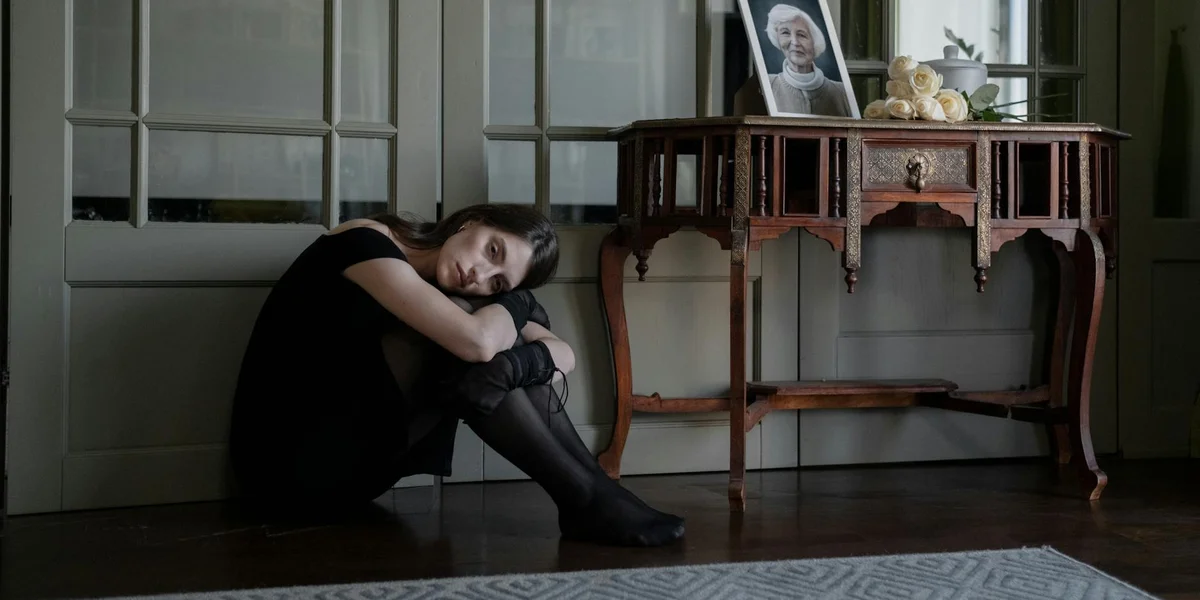
These dreams are often the heart’s gentle way of processing what the waking mind cannot yet handle. They allow for conversations that seem impossible, offering a path through grief. In my own life, a series of dreams about my father allowed me to experience forgiveness that years of therapy had only hinted at. Some readers interpret such dreams as a form of spiritual meaning—a message from a deceased father guiding the living. They can feel like conversations that cross the boundary between life and memory, offering ongoing connection.
Practical Steps for Emotional Integration
Healing is an active process, and your dreams provide the material. Treat each dream as a compassionate letter from your own subconscious, meant to be opened and understood. Dreams reveal why healing is needed and point toward its purpose. By listening, you can uncover hidden wounds and steer your recovery. Follow these steps to work with them.
- Capture the Moment: Keep a journal and pen right by your bed. Write the second you wake, capturing the haze of the memory before it fades.
- Identify the Core Feeling: Was it sadness, relief, joy, or guilt? The dominant emotion points directly to what needs healing.
- Symbol Translation: Was your loved one in their old home? Giving you an object? Interpret these symbols as metaphors for your inner state.
- Create a Waking Ritual: Light a candle, look at a photo, or speak a thank you aloud. This bridges the dream world and your daily life, promoting mental well-being.
The Jungian Pathway to Wholeness
Carl Jung saw dreams as messages from the psyche aiming for balance. A dream where a deceased mother is young and healthy might symbolize your need to reconnect with her nurturing energy within yourself. These dreams help integrate the lost relationship into your ongoing story, preventing emotional stagnation. They are especially significant when considered from a psychological perspective.
Closure is rarely a single event but a series of internal shifts. Your dreaming mind is a powerful ally in this journey, offering chances for reunion, apology, or release that waking life cannot provide. Trust this process, prioritize restorative sleep, and be patient with your heart’s pace.
Tending the Dream Garden: Practices for Recall and Interpretation
The haze of a dream about someone you’ve lost can feel so delicate, like morning mist you’re afraid will vanish with the first clear thought. I’ve often woken with the echo of a familiar laugh in my ears, only for it to fade before I can even open my eyes. Honoring these visits begins with tending to the space between sleep and waking-your own dream garden.
Cultivating Recall: Catching the Fragile Thread
Before you can understand the message, you must first capture the dream itself. This is a gentle art of invitation.
- Set a Loving Intention: As you drift to sleep, softly ask to remember. A simple thought like, “I welcome my dreams and I will remember them,” tells your subconscious you’re listening.
- The Journal at Arm’s Reach: Keep a notebook and pen (or a voice memo app) right beside your bed. The physical act of writing, even in the dark with scribbled notes, solidifies the memory.
- The First Moment: When you wake, stay still. Don’t jump out of bed. Let your mind linger in that liminal space and replay the images, emotions, and sounds. Your first task is to simply replay the dream film in your mind before you move.
- Record the Feeling: Can’t remember details? Write down the predominant emotion you woke with. That emotional residue is the most potent clue of all.
Interpreting the Visit: A Heart-Centered Dialogue
Once you’ve captured the dream, approach it not as a code to crack, but as a conversation to have with your own heart.
Ask Yourself These Questions:
- What was the primary emotion in the dream? Was it peace, urgency, joy, or sadness?
- What was the deceased loved one doing? Were they speaking, smiling, silently present, or giving you something?
- What was the environment like? The setting-a childhood home, a bright field, a misty room-holds massive symbolic weight.
- How did you feel when you woke up? Contrast your dreaming emotion with your waking one. This shift is incredibly revealing.
In my own practice, I dreamt of my grandmother in her sun-drenched kitchen, not speaking but humming. The interpretation wasn’t in words, but in the sensory memory of safety and creativity she always represented. I realized I was craving that feeling in my waking life.
Move Beyond Literal Meanings
- Your loved one may represent a part of you. Perhaps their steadfast nature in the dream mirrors your own need for resilience.
- The visit might highlight unresolved grief or, more often, a need for closure you can give yourself. Sometimes, the dream itself is the resolution.
- Trust your personal symbolism over generic dictionaries. What a garden means to you, based on memories with them, matters more than any standard guide.
Finally, give yourself quiet time after such a dream. A few minutes of meditation or a quiet walk allows the meaning to integrate. These dreams are profound exchanges of energy, and your mindful attention is the greatest form of gratitude you can offer.
Quick Answers
What does it mean when I dream of my deceased mother hugging me?
This dream is a profound symbol of comfort and unconditional support from your subconscious. It often surfaces when you are seeking reassurance or strength in your waking life. To integrate this feeling, you might journal about the experience or consciously seek out comforting activities that make you feel nurtured and secure.
Why would my deceased husband be avoiding me in a dream?
This scenario typically reflects your own internal feelings of unresolved guilt or the painful emotional distance that grief can create. It’s not a message from him, but rather a manifestation of your struggle to feel connected to his memory. Working with this dream can involve exploring these feelings through reflection or conversation, focusing on self-forgiveness and finding new ways to honor your bond, especially when dealing with the loss of a pet.
What is the significance of dreaming about my deceased brother smiling?
Seeing your brother smiling peacefully is a very positive dream symbol, often pointing to emotional resolution and peace. It can signify your own progressing healing or serve as a comforting message that he is at rest. You can honor this dream by reflecting on his joyful qualities and considering how you might invite more of that spirit into your own daily life.
Their Whisper in Your Heart
When a departed loved one visits your dreams, the most powerful step you can take is to welcome the emotion and reflect on what your unique bond is communicating to you now. Treat these moments as sacred space for your heart to speak, and let that guidance inform your days with more compassion and clarity.
Remember, these encounters are a natural part of love’s continuum and your mind’s wise way of processing grief and connection. You can move forward with a lighter heart, fear no more the shadows, and wish yourself peaceful, happy dreams.
At Night Omen, we delve into the fascinating world of dreams to uncover their deeper meanings and symbolism. Our team of dream interpreters and psychological experts is dedicated to providing accurate, insightful interpretations to help you understand the messages your subconscious is sending. Whether you’re seeking clarity after a vivid dream or simply curious about recurring symbols, our trusted resources guide you on your journey of self-discovery through the mysterious realm of dreams.
Dreams and Spirituality