Understanding Dream Symbols: Universal Meanings and Personal Insights
Published on: June 16, 2026 | Last Updated: June 16, 2026
Written By: Morpheous
Hello Dreamers, Your dream symbols weave together universal human archetypes and deeply personal memories, offering a direct line to your subconscious mind for clarity and healing. That jolt of waking up with a vivid image-be it a soaring eagle or a crumbling wall-is your psyche speaking in a symbolic language meant just for you.
I recall my own recurring dream of a locked garden; its universal meaning of hidden potential only clicked when I linked it to my personal fear of creative expression. This blend is where true understanding blooms.
We will explore the hidden messages in your nightly visions, focusing on key areas to guide you:
- Universal symbols that appear across cultures and their spiritual roots
- How your unique life story creates a private dictionary of dream imagery
- Practical steps to interpret your dreams by trusting your gut feelings
Grasping this distinction reduces fear and nurtures emotional well-being through better sleep hygiene and mindful self-reflection. Your intuition is the most trustworthy guide you have.
The Secret Language of Your Sleeping Mind
Why Your Subconscious Speaks in Symbols
Your dreaming mind doesn’t operate like your waking, logical brain. It communicates through a rich, visual poetry of symbols, metaphors, and sensations. Think of it as a kind of psychological shorthand. This symbolic language allows your subconscious to package complex emotions, unresolved conflicts, and profound insights into a single, powerful image you can remember upon waking. These symbolic images can sometimes help you solve problems and inspire creativity. A problem at work doesn’t appear as a spreadsheet; it manifests as a tidal wave or a maze you can’t escape. This process protects your sleep from being too literal and jarring, letting the message seep in through the haze of memory.
I’ve learned to appreciate this encoded messaging. Early in my career, I had intense dreams of my childhood home flooding. My waking life was stressful, but I didn’t feel “drowned.” The symbol made me pause. Water often relates to emotion. The childhood home represented my foundation. The dream wasn’t about real estate; it was a clear signal that foundational emotions from my past were feeling overwhelming. The symbol conveyed the *feeling* far better than words ever could.
Universal Archetypes: The Shared Dreams of Humanity
Some symbols seem to whisper to all of us, transcending culture and personal history. These are archetypes—primordial images and patterns buried deep in the collective unconscious, a concept pioneered by Carl Jung. Archetypal symbols form the basic building blocks of our shared human story, representing fundamental life experiences like the mother, the hero, the trickster, or death and rebirth. When you dream of these, you’re tapping into a well of wisdom as old as humanity itself. Yet dreams also carry personal symbols unique to you, shaped by your life story. To truly decode your dream language, balance universal archetypes with your own personal meanings.
Common Universal Dream Symbols and Their Core Meanings
While personal context is always king, these symbols often carry a universal emotional weight. Here’s a brief guide to a few common ones:
| Symbol | Universal Emotional Core |
|---|---|
| Water (Ocean, River, Flood) | The realm of emotion, the unconscious mind, and the flow of life. Calm water suggests peace; turbulent water suggests emotional turmoil. |
| Falling | A sensation of losing control, anxiety about a situation, or a fear of failure. It’s that jolt of vulnerability we all know. |
| Teeth Falling Out | Often relates to anxieties about appearance, power, communication, or feeling insecure in your ability to “chew through” a problem. |
| Being Chased | Typically signifies running from a problem, fear, or an aspect of yourself you don’t want to confront. What’s chasing you is a key clue. |
| Flying | A liberating symbol of freedom, perspective, breaking through limitations, or rising above a situation. |
The Shadow in Your Dreams: Facing What You Fear
One of the most potent universal archetypes is the Shadow. This isn’t a monster under the bed, but rather the parts of ourselves we repress-our hidden fears, insecurities, and even untapped strengths we’re afraid to own. The Shadow in dreams often appears as a threatening figure, a mysterious stranger, or a dark animal, and its appearance is actually an invitation for wholeness. I used to have recurring dreams of a dark wolf following me. Terrifying. But through journaling, I saw it not as a predator, but as a persistent, instinctual part of myself I was ignoring. The dream didn’t stop until I acknowledged the raw, intuitive power it represented.
Your Personal Dream Lexicon: Symbols Only You Understand
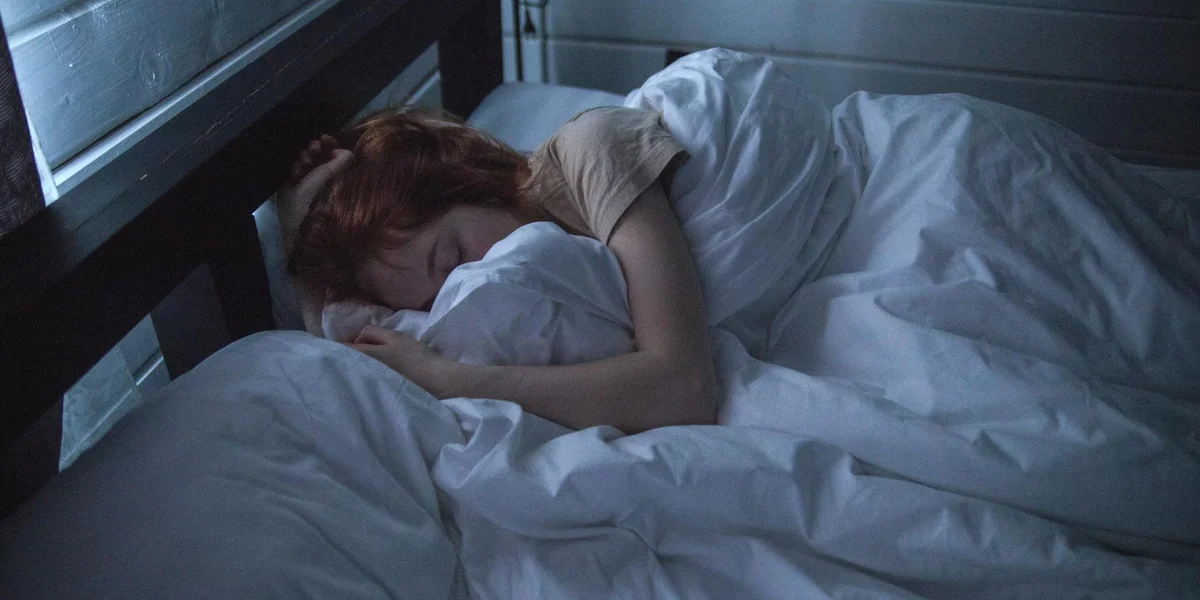
This is where dream interpretation gets beautifully personal. Your subconscious weaves symbols from the unique fabric of your life: your memories, daily routines, private jokes, and deep-seated emotions. A symbol that is universal in form becomes profoundly personal in its specific emotional texture and connection to your lived experience. A dog might universally symbolize loyalty, but if you were bitten as a child, a dog in your dream carries a completely different, intensely private meaning. Does a dream about a dog bite signal a conflict in symbolism between universals and your personal history? In that case, the symbol shifts with your memories, fears, and current life context.
How Your Memories and Emotions Create Private Symbols
Your mind is a masterful collage artist. It takes fragments from your day-a song on the radio, an argument, the smell of rain-and merges them with deeper feelings to create a custom symbol. To decode your private lexicon, ask yourself these questions about any dream symbol:
- What is my very first, gut-feeling association with this object or person?
- Did I encounter something similar yesterday or this week?
- What specific emotion did I feel when I saw this symbol in the dream?
- Does this symbol remind me of a specific event from my past, even a seemingly minor one?
Case Study: The Recurring Symbol From My Own Dreams
For years, a red bicycle appeared in my dreams. Sometimes it was broken, sometimes I was racing on it. Universally, a bicycle might relate to balance, personal journey, or childhood. But for me? That specific shade of red was the exact color of my best friend’s bike when we were ten, the summer her family moved away. My subconscious had chosen the red bicycle as a perfect, compact symbol for my complex feelings about sudden loss, nostalgic joy, and the momentum of life carrying people apart. No universal dream dictionary could have provided that insight; it came only from connecting the symbol to my emotional history.
The Hidden Director: How Your Subconscious Mind Casts the Dream
Think of your sleeping mind not as a random movie projector, but as a meticulous, creative director. This director-your subconscious-works late into the night, pulling props from the warehouse of your personal history. It crafts entire worlds from your forgotten memories, unresolved feelings, and the hidden whispers of your day. That strange alley in your dream? It might be a mashup of a childhood shortcut and the stressful office hallway from yesterday.
When Fears and Desires Shape the Symbols You See
Your director is deeply emotional. It doesn’t deal in cold facts, but in the raw energy of your hopes and anxieties. A commonly “positive” symbol, like a house, can transform into a nightmare mansion of endless rooms if you’re feeling lost in your own life choices. I once dreamt of a beautiful, ripe peach that felt terrifying. Upon waking, I realized it symbolized a “perfect” opportunity I deeply feared taking.
The key is in the felt sense, the emotional texture of the symbol within your unique dream.
- Universal Symbol, Personal Punch: Water often symbolizes emotion. Calm water might mean peace to you, but to someone who nearly drowned, it’s pure terror. Your director knows this and casts accordingly.
- The Amplifier Effect: Your subconscious magnifies subtle daytime worries into vivid, sometimes shocking, metaphors. A nagging feeling of being overlooked at work can become a dream where you are literally invisible.
- Wish Fulfillment in Disguise: A desire for freedom might not show as a literal open field. It could be a dream where you can suddenly breathe underwater-a brilliant solution from a director unbound by physics.
- Processing the Unprocessed: That argument you didn’t finish? Your director might stage a surreal play about it, using actors (symbols) from other parts of your life to help you work through the lingering emotion.
Cultural Echoes and the Dream World’s Backdrop

While your subconscious is the director, the culture you live in provides the foundational set design, the common mythologies, and the symbolic language it often uses. We are all born into a stream of inherited stories and meanings that color our inner world. A snake in a dream might instinctively feel like a betrayal to someone raised on Biblical stories, while in another cultural context, it might first whisper of healing or primordial life force. That raises the question: does culture influence how we interpret dreams? For many people, the answer is yes—symbols and meanings shift across traditions, making dream interpretation a culturally embedded practice.
When Universal and Cultural Meanings Blend
The magic happens in the blend. Your personal experience dances with these broader cultural archetypes to create a symbol that is uniquely yours, yet partly shared.
Consider the symbol of a dragon. Culturally, in the West, it’s often a beast to be slain-a obstacle. In many Eastern traditions, it’s a benevolent, powerful symbol of luck and wisdom. Your personal feeling toward the dragon in your dream is the final, crucial interpreter of which meaning resonates. Are you fighting it, or are you riding it?
- Animals as Cultural Messengers: An owl might be wise in one culture, an omen of death in another. Your director might use this animal precisely because of that cultural weight, amplifying your personal fear of the unknown.
- Colors Speak in Tones: While white can universally feel “bright,” its cultural coding as purity or mourning will subtly influence the mood your director is setting around a symbol like a white dress or car.
- Architecture and Landscape: Dreaming of a specific type of temple, forest, or even a school building draws from your cultural understanding of those places. A shrine in your dream carries a different emotional charge than a cathedral, based on your lived background.
- Trust Your Gut Translation: If a symbol with a common cultural meaning feels off-like a “positive” rainbow feeling ominous-trust your personal translation over the dictionary. Your director is giving you a private message, not a public lecture.
This blending is why dream journals are so vital. Writing down the symbol and then your immediate, uncensored feeling about it helps you separate the cultural noise from your soul’s signal. Over time, you learn your own symbolic language, a dialect spoken only between you and your inner director. Keeping a dream journal is just the first step in this deeply personal interpretative journey.
Your Step-by-Step Guide to Deciphering Any Dream Symbol
When a vivid dream symbol lingers in your mind after waking, it feels like holding a mysterious, unopened letter. That symbol is a direct message from your subconscious. Interpreting it is less about finding a single right answer and more about engaging in a curious, heartfelt conversation with yourself. Are the most common dream symbols their meanings, or do interpretations depend on your personal context? In practice, symbols often carry personal nuance beyond any universal dictionary.
I’ve used this simple five-step process for years to untangle my own confusing dreams. It transforms that initial “What was THAT about?” into a profound “Ah, I see what you’re telling me.”
- Step 1: Capture the Dream & Feel the Feeling
The moment you wake, grab your journal. Don’t worry about grammar or sequence. Write down everything: images, snippets of dialogue, the strange texture of the fog. Then, close your eyes and tune into your body. What emotion is anchored there? A tight chest of anxiety? The lightness of joy? This emotional residue is your most crucial clue.
- Step 2: Isolate the Key Symbol
Look over your dream notes. What one image or object feels most charged, most out of place, or most repeated? It could be a glowing key, a talking cat, or a house with endless rooms. This is your symbol to decipher. Your subconscious is highlighting it for a reason.
- Step 3: Explore Universal Meanings as a Starting Point
Now, consult a trusted dream dictionary or your knowledge of common archetypes. Water often relates to emotion. A car might symbolize your journey or sense of control. These universal meanings provide a shared language, a foundation to build upon. Think of universal meanings as the common dictionary definition of a word-essential, but lacking your personal accent.
- Step 4: Interrogate Your Personal Association
This is where the magic happens. Ask yourself: “What does this uniquely remind ME of?” A snake in a universal guide might mean transformation or fear. But for you, was your first pet a snake? Did you see one on a terrifying hike last summer? Your lived experience layers personal meaning onto the universal foundation. If you’re asking whether dreaming about snakes fits into a complete symbolic guide, this approach helps. It blends universal meanings with your personal experiences to reveal what your dream is saying.
- Step 5: Weave the Symbol Back into the Dream’s Story
Don’t let the symbol float in isolation. Place your new understanding back into the full dream narrative. How does the symbol’s meaning influence the story’s outcome? A dream about losing your keys (universal: loss of access or solution) feels different if you associate keys with your grandmother’s safe, full of old memories. The dream may be about accessing forgotten parts of your past, not anxiety about a current problem.
The Critical Question: “What Does This Remind ME Of?”
This single question is the master key to personal interpretation. I once dreamt of a wilting sunflower. Universal meanings pointed to lost vitality or orientation. But when I asked myself this question, I immediately recalled the sunflowers my neighbor grew the summer my father passed away. For me, the dream wasn’t about general sadness; it was a specific, tender message about grief and the cycles of memory, blooming and fading with time. Your personal history is the filter that colors every symbol.
Building Your Sacred Dream Journal: A Living Dictionary
Your dream journal is more than a notepad; it’s the evolving manuscript of your inner world. Over time, it becomes your most powerful tool, revealing patterns and a symbolic language unique to you.
How to Organize Your Personal Symbol Discoveries
Start simple. A plain notebook works perfectly. Dedicate a section in the back or use a simple two-page spread for each major symbol that recurs. I have pages for “Water,” “Lost Purses,” and “School Hallways” that I’ve added to for a decade.
For each symbol entry, note three things:
- The date and context of each dream it appeared in.
- The emotion you felt around it in the dream.
- The personal association you uncovered that day.
You’ll begin to see your own lexicon form. Perhaps “teeth” in your dreams always relates to moments you felt powerless to speak, not anxiety about appearance. This personal dictionary becomes a comforting reference, proving your subconscious has its own coherent, communicative language. My own journal is a mess of scribbles and highlights, but to me, it’s a sacred text far more revealing than any generic guide.
| Symbol | Universal Theme | My Personal Twist |
|---|---|---|
| Blue Butterfly | Transformation, joy | Reminds me of a book my mom read to me; signifies a message of comfort or her presence. |
| Broken Clock | Time pressure, missed opportunity | Associated with my old school bell; relates to anxiety about learning or personal growth timelines. |
| Basement | The subconscious, hidden memories | Looks like my childhood playroom; represents accessing creativity or forgotten joy. |
Trust the process. Some nights you’ll recall nothing, and that’s okay. The very act of reaching for the journal upon waking signals to your mind that its nighttime stories are valued. This respectful attention strengthens your recall and deepens the conversation over time.
Common Questions
What does a spider symbolize in dreams?
In dreams, a spider can often connect to universal themes of creativity, patience, or feeling entangled in a situation. However, its true meaning for you is shaped by your personal feelings toward spiders—whether you see them as fascinating weavers or sources of fear. To interpret it, note your emotional reaction in the dream and ask what current life situation might feel similarly intricate or sticky. Some traditions even see dream spiders as carrying spiritual symbolism, from weaving fate to revealing hidden connections. Exploring these spiritual meanings can help you understand whether the dream is pointing to a larger sense of meaning in your life.
What does it mean to dream of a spider attacking you?
A spider attacking in a dream typically amplifies the universal symbol into one of feeling threatened, overwhelmed, or personally invaded by a situation or emotion. This scenario urges you to look at where in your waking life you feel under assault or where a problem feels actively aggressive. Consider what you need to confront or reclaim power from, using the dream’s intensity as a clue to a pressing issue. Does dreaming about fighting mean you should stand up to a real conflict, or that you’re wrestling with an internal struggle? In many cases, the fight in your dream reflects a choice you need to make in waking life to confront the issue.
What if I dream of a spider crawling on me or another surface?
Dreaming of a spider crawling often symbolizes a creeping anxiety, a subtle issue that is slowly demanding your attention, or a feeling of being watched/infringed upon. The key is to observe where it crawls—on you may point to a personal irritation, while on a wall might suggest a background worry in your environment. Reflect on what small, persistent thought or situation has been “crawling” into your awareness lately. Specifically, a black spider in a dream can highlight deeper fears or hidden worries lurking in the subconscious. Paying attention to what the black spider seems to target can reveal what you might be avoiding in waking life.
Your Dream Dictionary Is Within You
The most powerful tool you have is your own intuition, woven together with an awareness of common symbols. By marrying universal themes with the specific details of your waking life, you create the truest interpretation of all.
Approach your dreams with a gentle curiosity, and let them guide you toward greater self-awareness. Sweet dreams, and may your nights bring peaceful insights.
At Night Omen, we delve into the fascinating world of dreams to uncover their deeper meanings and symbolism. Our team of dream interpreters and psychological experts is dedicated to providing accurate, insightful interpretations to help you understand the messages your subconscious is sending. Whether you’re seeking clarity after a vivid dream or simply curious about recurring symbols, our trusted resources guide you on your journey of self-discovery through the mysterious realm of dreams.
Dream Analysis Techniques