Interpreting Dreams in Japanese Folklore: Symbolism of Yokai and Kami
Published on: February 26, 2026 | Last Updated: February 26, 2026
Written By: Morpheous
Hello, Dreamers. Dreams featuring Yokai or Kami are profound messages from your subconscious, blending spiritual guidance with psychological insight to reflect your inner world. I remember the jolt of waking from a vivid encounter with a Tengu, the vivid colors and emotions lingering for days. That personal mystery sparked my journey into their meanings.
These visions are not to be feared but understood. We will cover the hidden messages within them, focusing on:
- The emotional warnings and personal shadows revealed by Yokai
- The divine inspiration and life challenges symbolized by Kami
- How to trust your intuition for personal healing and growth
Yokai and Kami: Understanding Japan’s Dream Spirits
To walk through a Japanese dream is to step into a landscape alive with spiritual presences. In this world, two primary forces shape the visions: yokai and kami. Yokai are a vast category of supernatural beings, creatures, and strange phenomena that inhabit the folklore. Kami are the sacred spirits central to Shinto, the indigenous faith of Japan. While both are spiritual symbols in dream imagery, their core natures and the messages they carry are profoundly different.
- Yokai as Supernatural Beings: Yokai are the “bewitching apparitions.” They encompass everything from playful tricksters and lonely ghosts to monstrous ogres and even sentient, everyday objects. They often represent the unexplained, the chaotic, or the emotional shadows we carry.
- Kami as Guardian Spirits: Kami are the divine essences found in nature, ancestors, remarkable people, and even specific places. They are worshipped at shrines and are generally seen as benevolent, life-giving forces of order, protection, and purity.
- The Core Difference: Think of yokai as the dream’s way of exploring mystery, fear, or unresolved tension. Kami, in contrast, appear as sources of guidance, comfort, or sacred warning. This cultural context is everything for interpretation-a glowing light in a forest dream means something entirely different if it’s a mischievous fox-fire or a divine kami’s presence.
The Enigmatic World of Yokai
The spectrum of yokai is as wide as the human imagination. It stretches from the tsukumogami-a 100-year-old tea kettle or umbrella gaining a playful spirit-to the terrifying oni, red or blue ogres that embody raw wrath and punishment. Their folklore motifs are direct channels for our subconscious mind to express primal curiosity or deep-seated fear. I’ve found that dreams featuring these beings often surface when we’re grappling with something that feels oddly familiar yet utterly strange in our waking hours, a true signature of the yokai realm.
The Sacred Presence of Kami
Kami are the gods of the mountain, the river, the wind, and your family lineage. They are the divine essence within a towering ancient tree or the protective spirit of your hometown. In dreams, their presence is often linked to feelings of profound peace, sudden clarity, or a deep sense of being watched over. Kami worship translates into dreamtime as visions of protection, direct guidance, or solemn omens. Heeding these dreams can be a powerful act of mindfulness, reconnecting you to a sense of harmony and ancestral respect. Unlike vivid or unsettling dreams, these spiritual encounters often leave you with a serene and uplifting feeling.
Common Yokai in Dreams and Their Hidden Messages
When these folklore figures slip into your sleep, they bring specific symbolic languages. Here are the most frequent visitors and what they might be trying to communicate to your waking self.
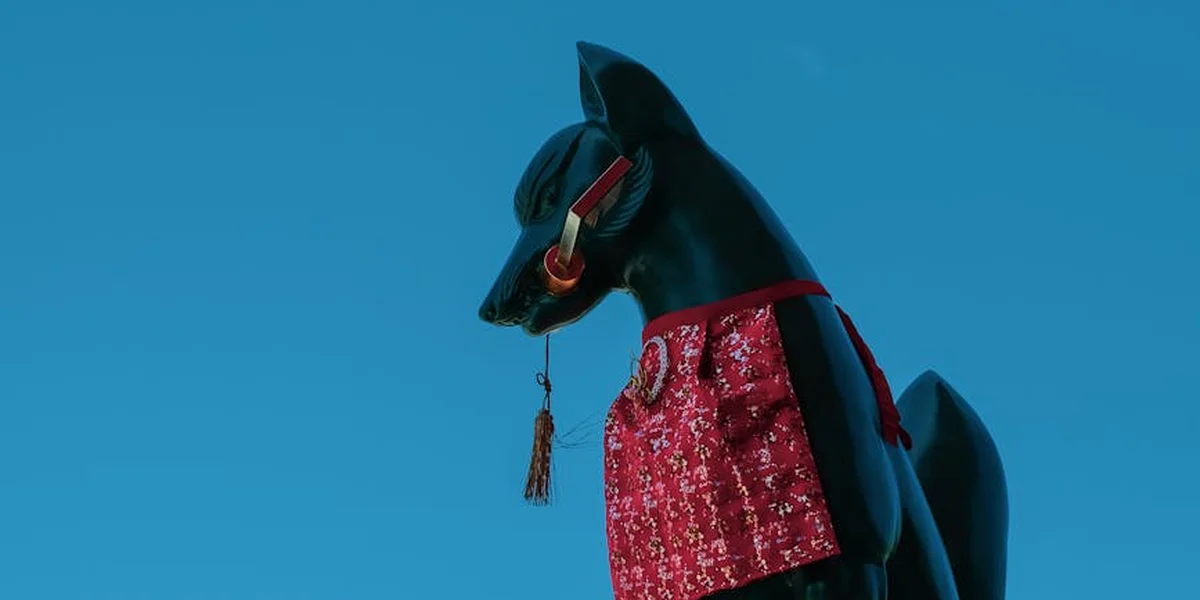
- Kitsune (Fox Spirit): A symbol of intelligence and transformation, but also of deception. A dream kitsune can warn of cunning people in your life or reflect your own use of clever strategy. A white kitsune often points to benevolent, divine messenger energy.
- Tanuki (Raccoon Dog): This jovial, pot-bellied shape-shifter symbolizes prosperity and audacious luck. Yet, dreaming of a tanuki can also be a nudge about overindulgence, laziness, or the folly of believing in get-rich-quick schemes.
- Yurei (Ghosts): Defined by their white burial kimono and long, ragged hair, yurei are spirits bound by powerful emotion-often regret, jealousy, or vengeance. Dreaming of a yurei rarely signifies a literal ghost; it almost always represents a part of your own past or a traumatic emotion that remains unresolved and “unable to cross over.”
- Oni (Ogres/Demons): These horned, club-wielding giants are manifestations of punishing force and inner rage. An oni in your dream could symbolize an external bully or, more likely, your own suppressed anger or self-criticism that has taken on a monstrous form.
- Noppera-bo (The Faceless): This eerie yokai appears human until it turns around, revealing a blank, featureless face. In dreams, it powerfully symbolizes anonymity, the fear of losing your identity, or encountering someone who is being emotionally vacant or deliberately deceptive.
Kitsune: The Fox Spirit’s Dream Deception
Dreaming of a kitsune is a vivid experience. You might see its multiple tails swishing in a moonlit field or catch its golden eyes watching you from the edge of a dream. This spirit calls for sharp intuition, asking you to look beyond surface appearances in a situation or relationship. It can signal that trickery is afoot, or conversely, that you need to employ more of your own cleverness and adaptability. I recall a dream where a kitsune kept leading me down beautiful, winding paths that ultimately went in circles-a clear message about a charming but unfruitful pursuit in my waking life.
Tsukumogami: When Objects Dream in Your Sleep
Have you ever dreamt of a chattering paper screen or a vengeful, hopping lantern? These are tsukumogami, objects that have gained a soul after a century of service. Dreams featuring them are profound reflections on your attachment to material things, the weight of memories, or the subtle stress of your daily environment. A crying tea cup might point to neglected self-care rituals, while an angry broom could symbolize feeling used in a domestic role. They ask us to honor the spirit in the everyday.
Kami Visitations: Divine Dreams and Sacred Omens
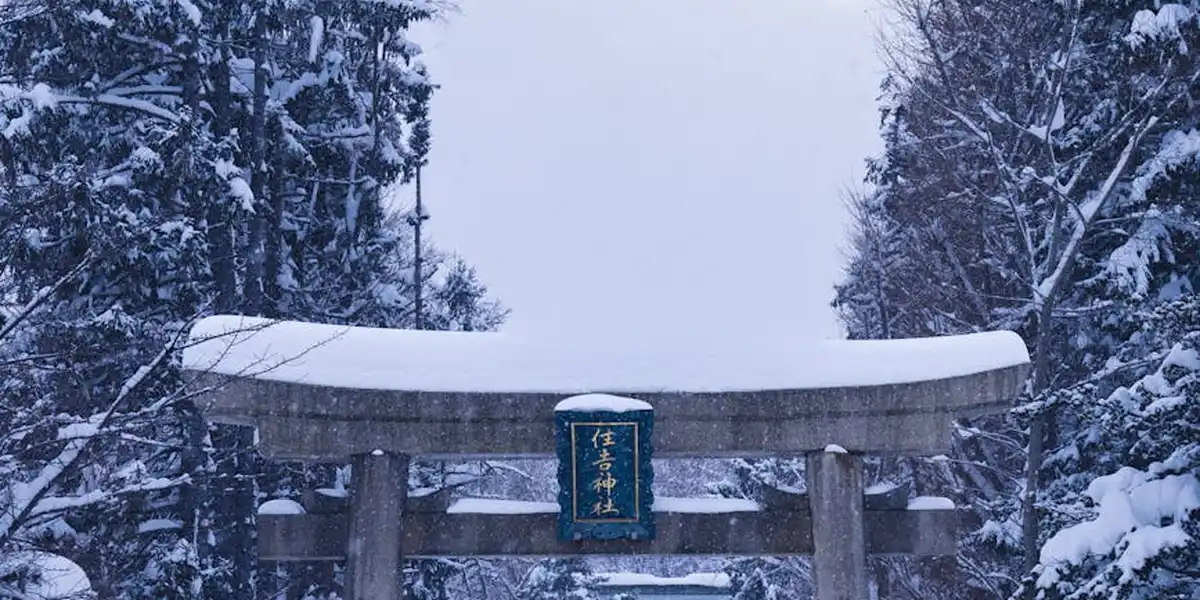
Kami manifest in dreams with a different quality than yokai. The air may feel clearer, the light softer. You might hear a calm, disembodied voice, see a sudden burst of sun through trees, or feel an overwhelming sense of awe in a natural setting. These dreams are less about narrative and more about feeling.
- Dreams as Requests: A kami’s appearance can be an invitation-a request for a blessing, a small offering, or even a physical visit to a sacred place related to them.
- Dreams as Warnings: A nature kami appearing distressed can be a stark omen of imbalance, either in your personal life or your relationship with the environment.
- Dreams as Reassurance: Most often, these visitations provide emotional healing, a deep reassurance that you are protected and on the right path. Heeding these visions promotes tremendous mindfulness, grounding you in a sense of purpose and interconnectedness.
Dreams of Forest Kami and Natural Spirits
Dreams where a mighty tree radiates warmth or a waterfall speaks are encounters with forest and nature kami. A towering cedar might relate to your own personal growth and resilience, while a rushing river spirit could reflect the flow of your emotions or life’s journey. These dreams often call us to restore harmony, to spend more time in nature, and to respect the living world not as a resource, but as a community of sacred beings. They are a balm for urban fatigue and spiritual disconnect. In dreams, rivers often symbolize the flow of life and spiritual movement. Waterfalls can signify cleansing, release, and new thresholds on your path.
Ancestral Kami and Dream Messages
Dreams where a beloved, respected ancestor appears calm and radiant may be visitations from your ancestral kami. They are not yurei (ghosts bound by trauma); they are elevated, peaceful guides. Such dreams offer profound insights into family legacy, cultural roots, and sometimes, gentle advice passed through the bloodline. Sometimes these visitations touch unknown relatives or distant forebears you never met, carrying a broader spiritual meaning about your family lineage. In those moments, the dream becomes a bridge to collective memory and subtle guidance beyond the visible family tree. They can also highlight unresolved family emotions that need acknowledgement to bring peace to the living and the honored dead. Trust the feeling of calm wisdom they impart—it’s a unique form of spiritual support. Good sleep hygiene, like keeping a journal by your bed, is key to catching the delicate details of these visits before they fade with the morning light.
Decoding Dream Actions: Omens from the Supernatural
In Japanese dream lore, the action taking place with a yokai or kami is often more telling than the spirit itself. The movement within the dream is the direct message, a kind of supernatural pantomime your soul is performing for you. I’ve learned from my own vivid dreams that a peaceful interaction with a strange spirit can feel more illuminating than years of waking-world contemplation.
Common actions considered potent omens include:
- Being Chased: This is a classic warning. It rarely means a literal monster is coming. Instead, it signals an unresolved issue, a fear, or a responsibility you are actively avoiding in your waking life.
- Receiving a Gift: Interpreted as a blessing or a bestowal of spiritual power. The nature of the gift is the key to its meaning.
- Speaking Peacefully: A profound sign of guidance. Direct communication from a kami or a civilized yokai suggests your higher self or intuition is offering clear counsel.
Steps to Analyze the Action:
- Recall the Action Vividly: Before jumping to meaning, sit with the feeling. Was the chase frantic or slow? Was the gift given freely or hesitantly? The emotional texture holds the truth.
- Note the Entity’s Demeanor: A snarling kitsune (fox spirit) means something entirely different than a kitsune bowing gracefully. A kami smiling versus a kami with averted eyes changes everything.
- Relate to Current Life Stresses or Joys: Anchor the ethereal omen in your reality. What feels like it’s “chasing” you at work? What recent “gift” or opportunity have you been given?
Cultural symbolism deeply informs this. For instance, a kami turning its back or looking away is a powerful signal of neglect or spiritual shame, not mere disinterest. In Shinto belief, kami are intimately connected to all aspects of life; their averted gaze mirrors a feeling of being disconnected from your own worth or purpose.
Positive Omens: Gifts and Guidance from Spirits
When a spirit offers you something, pay close attention. In one of my own dreams, a tengu handed me a smooth, black stone which I instinctively held to my ear. Receiving a symbolic item like a mirror, a sword, or a stone often points to an inner resource being activated. Are such symbols universally meaningful? Across many spiritual and dream-interpretation traditions, these common items tend to carry similar meanings—mirror as self-knowledge, sword as decisive action, stone as inner stability. A mirror reflects self-truth, a sword represents decisiveness, and a stone can symbolize a solid foundation or enduring truth. This is a blessing of potential, a nod from your subconscious that you have the tools for upcoming success or insight.
Warning Signs: When Yokai Bring Bad Tidings
Not all supernatural dream encounters are gentle. An outright attack from a yokai, or the sudden disappearance of a benevolent kami, rings an internal alarm. These are not predictions of doom, but urgent prompts for self-reflection or caution in your relationships and endeavors. A dream of a kappa pulling you underwater might relate to feeling emotionally overwhelmed. The vanishing of a guiding spirit could highlight a recent choice that strayed from your core values.
Regional Dream Lore: Variations Across Japan
The meaning of your dream spirit can shift dramatically depending on the regional folklore it springs from. Japan’s diverse landscapes bred distinct spirits, and your dream mind may be tapping into that specific mythic geography, especially if you have heritage or deep travel memories connected to a place.
Consider the wolf kami, often revered as a protector. In the forests of Honshu, a dream wolf might symbolize guidance through a moral dilemma. Yet in the Amami Islands, the same spirit could connect to themes of ancestral communication and the sacredness of rare, wild places. Always factor in your personal associations with a region.
Hokkaido’s Cold Spirits and Dream Imagery
The kami and yokai of Japan’s north carry the chill of the climate and the vastness of the landscape. Dreaming of the Yuki-onna (Snow Woman) or spirits of frozen springs often mirrors feelings of isolation, pristine beauty, or the need for emotional resilience. These encounters rarely feel warm, but they can point to a powerful, self-reliant part of you that knows how to endure and find clarity in silence.
Kyushu’s Yokai Legends in Sleep
The southern islands, with their coastlines and volcanic activity, inspire a different dream lexicon. Here, you might encounter yokai like the Umibōzu, a monstrous sea spirit. In dreams, such sea-based entities often relate to the murky depths of your emotions, unconscious fears rising to the surface, or the mysterious ebb and flow of your creative energy. The symbolism is less about cold isolation and more about the profound, sometimes dangerous, mystery of your inner world.
Nightmares and Yokai: Traditional Remedies for Dark Dreams
-
In Japanese folklore, a nightmare haunted by a yokai is rarely just a random scary movie in your mind. These dreams are traditionally viewed as spiritual disturbances, a sign that something is out of balance in your emotional or energetic life. The jolt of waking up from a yokai attack can feel like an emotional echo, a loud shout from a part of yourself you’ve been quieting. I’ve felt this haze of fear myself, where a dream spirit seemed to magnify a stress I was ignoring during the day.
-
Traditional remedies focus on cleansing and clarity. Sprinkling salt at your bedroom doorway or windowsill is a classic purification ritual to ward off negative energies. A visit to a local shrine for a quiet prayer can help realign your spirit and offer a profound sense of solace. For a modern twist, I always keep a dream journal by my bed; writing down the pattern of these dark dreams reduces their power and reveals hidden triggers.
-
Advocating for your mental well-being is the most potent ritual of all. Healthy sleep hygiene acts as a gentle shield, making your mind less hospitable to fearful intrusions. From my own experience, a calming pre-sleep routine of drinking herbal tea and listening to soft sounds has dramatically softened the edges of my nightmares. Trust that a peaceful bedtime isn’t a luxury—it’s a foundation for safer dreams. If a bad dream wakes you, pause to breathe slowly and remind yourself you’re safe. Then ease back into sleep with a brief, comforting routine to calm your body.
Common Nightmare Yokai and Their Meanings
-
Certain yokai are frequent visitors in the landscape of bad dreams. The yanari, or rattling spirit, often mirrors feelings of anxiety and domestic unrest. If you dream of a shōjō, a red-faced spirit linked to sake, it might point to guilt or overindulgence in your waking life. A haunting by a Gashadokuro, a giant skeleton, could symbolize a massive fear or burden feeling insurmountable. Seeing these beings clearly is your first step toward disarming the fear they represent.
Healing Rituals and Protective Measures
-
Step 1: Write down the nightmare details the moment you wake. Describe the yokai, the setting, and your emotions. This act pulls the dream from the shadowy realm of sleep into the light of day, instantly lessening its haunting power.
-
Step 2: Perform a simple space-clearing ritual. Lighting a stick of sandalwood or pine incense can cleanse the room’s energy. As the smoke curls, visualize it carrying the nightmare’s residue away from you.
-
Step 3: Consult traditional folklore for specific protections. Placing a small ofuda (a paper charm from a shrine) near your bed or under your pillow is a time-honored method for inviting protective kami into your sleep space.
Recurring Spirits: What Persistent Dreams Reveal
-
When the same yokai or kami visits your dreams again and again, pay close attention. This persistence is a clear signal that your subconscious is knocking loudly with a message you need to hear. A recurring dream spirit isn’t a nuisance; it’s a dedicated messenger from your own inner world, asking for resolution. These dreams raise questions about what lies beneath waking awareness. They hint at subconscious patterns that deserve your attention.
-
Interpret the variations carefully. A kitsune (fox spirit) that repeatedly tricks you might point to persistent deceit in your life, either from others or from yourself. Conversely, a recurring kami, like Inari, could be a gentle calling to explore your spirituality or creative gifts. The specific actions in the dream hold the key to your personal meaning.
-
To break a frustrating cycle, engage with the symbol while you’re awake. Meditation focused on the recurring spirit can open a dialogue with your deeper self. I once drew a recurring yokai I feared, and in giving it form, I took away its mysterious power, leading to peaceful sleep.
Interpreting Recurring Yokai Encounters
-
A specific yokai that won’t leave your dreams is often a mirror for your personal shadows. The yokai becomes a character representing an unresolved conflict or a trait you haven’t acknowledged. For instance, a recurring Nure-onna (snake woman) might symbolize a tangled, draining relationship, while a Kappa could reflect social anxieties or a fear of losing your vital energy. Look at what the creature does to you, and you’ll see your own life reflected.
Kami Calling: Recurring Divine Dreams
-
Recurring dreams of kami are profound invitations. These divine dreams suggest a readiness to connect with something greater than your everyday self. They might be nudging you to visit a shrine, deepen a meditation practice, or simply trust your intuition more fiercely. The consistent presence of a kami is a comforting sign; it’s not a demand, but a welcome to a path of deeper meaning. These recurring dreams carry spiritual meaning, inviting you to listen more deeply. By reflecting on what keeps returning, you can align daily life with a higher purpose.
From Dream to Shrine: Connecting Visions to Sacred Sites
Waking from a dream where a kami spoke can leave you with a profound sense of place, as if the vision etched a map onto your soul. In Japanese tradition, these divine dreams are rarely abstract; they often point directly to real-world shrines, sacred mountains, or ancient forests. I remember a dream where the mist-shrouded form of a fox beckoned me, an experience that later compelled me to learn about Inari shrines. That haze of memory became a personal compass. Such a dream isn’t just a story your mind tells at night; it can be an invitation to walk in the waking world. Within dream interpretation, such visions are read as messages of the sacred rather than mere fantasy. They invite reflection on how the divine appears in daily life and guide our choices.
History is rich with accounts where a single dream spurred physical action. A samurai might dream of a protective dragon yokai and commission a sculpture for his local temple. A village elder, visited by a water kami in a dream, could lead the community to build a small shrine by a spring. These actions blend the spiritual symbol with tangible respect, grounding ethereal messages in stone, wood, and ceremony. Your own vivid dream of a silent, watching figure in a pine forest might echo this ancient call to acknowledge the sacred in nature. Such actions often have a deep spiritual significance, translating dreams into meaningful rituals.
Treating these dreams as potential guides encourages a beautiful dialogue between your inner world and the outer landscape. Start by gently exploring the symbols. Was the kami associated with a specific element like water or wind? Did the yokai resemble creatures from a particular region’s folklore? This curiosity can naturally inspire a pilgrimage, whether to a grand shrine in Kyoto or a quiet moss-covered stone in a nearby park. The journey itself, motivated by your dream, becomes a powerful act of self-discovery and homage.
Dream-Inspired Pilgrimages and Offerings
Acting on a dream requires mindful steps. First, research the kami or yokai you encountered. Use their name, attributes, or the dream’s setting as clues. If you dreamed of a glowing woman near a waterfall, you might look into sites dedicated to Suijin, the kami of water. Respect is the cornerstone of engagement. Before visiting, learn basic customs: how to cleanse your hands at a chozuya, how to offer a silent prayer or a small coin. Your pilgrimage isn’t about demanding answers but about showing gratitude for the vision and opening yourself to further clarity.
You can make a simple offering at home if travel isn’t possible. Creating a small space with a symbol from your dream-a smooth stone for a mountain kami, a drawn image of the yokai-honors the connection. This physical act of setting something aside bridges the dream realm and your daily life, reducing the fear that can come with powerful nocturnal visits. It turns confusion into respectful action.
Recording Dreams: The Role of Dream Journals
A dream journal is your most trusted tool for navigating these encounters. The jolt of waking up can scatter details like leaves in the wind. Keeping a notebook and pen by your bed signals to your subconscious that its messages are valued. Write everything the moment your eyes open, even if it’s just fragments: “red torii gate,” “sound of bells,” “feeling of awe.” Over time, patterns emerge. You might see that dreams of tengu yokai appear during times of personal challenge, pointing to lessons about discipline or pride.
For tracking kami and yokai, note these details in your journal:
- Appearance and Emotion: Sketch or describe the being. Were they serene, fierce, or playful? How did you feel?
- Dream Landscape: Was it a familiar place, a fantastical version of a shrine, or a pure natural setting like a forest or river?
- Time and Date: This can help correlate dreams with seasonal festivals or personal life events.
- Waking Life Connections: After researching, note any real shrines, stories, or natural features that mirror your dream.
This consistent practice does more than improve recall; it builds a personal lexicon of your soul’s symbolism. I’ve used my own journal for years, and it has transformed random scary images into a coherent guide for my emotional healing. It turns nighttime mysteries into a mindful path for waking life, reinforcing mental well-being through attentive self-reflection.
FAQs
Can dreams be a form of communication or warning from these entities?
Yes, in Japanese folklore, dreams are often viewed as direct channels for communication or warnings from yokai and kami. These entities may use dreams to convey guidance, highlight personal shadows, or signal omens related to your waking life. To discern the message, reflect on the dream’s emotions and symbols, and consider how they align with current challenges or joys. This raises the question of whether culture shapes how we interpret dreams. Across cultures, the same symbols can carry different meanings, so cultural context matters.
What historical texts or sources are key to understanding this folklore?
Essential historical sources include the “Kojiki” and “Nihon Shoki,” ancient texts that record myths and kami origins. For yokai lore, Edo-period works like Toriyama Sekien’s illustrated catalogs, such as “Gazu Hyakki Yagyo,” are foundational. Exploring these texts can enrich your interpretation by providing cultural context and traditional symbolism.
How do dreams of kami relate to real-world shrines or natural sites?
Dreams of kami are often tied to actual sacred places, like shrines, mountains, or forests, serving as invitations for pilgrimage or reverence. If you experience such a dream, research the kami’s attributes to identify associated sites and consider visiting to make offerings or pray. This practice can help ground the spiritual message and foster a deeper connection to the natural world.
Carrying the Folklore Forward
Let your dreams about Yokai and Kami serve as a dialogue with your deeper self, where monsters highlight fears to be faced and spirits point to wisdom to be embraced. Use the cultural symbols as a starting point, but always return to your own intuition for the final interpretation.
Dreaming of these beings is a gift, not a curse-a chance to explore the rich landscape of your psyche with courage. So sleep with curiosity, and may your nights bring happy dreams free of fear.
At Night Omen, we delve into the fascinating world of dreams to uncover their deeper meanings and symbolism. Our team of dream interpreters and psychological experts is dedicated to providing accurate, insightful interpretations to help you understand the messages your subconscious is sending. Whether you’re seeking clarity after a vivid dream or simply curious about recurring symbols, our trusted resources guide you on your journey of self-discovery through the mysterious realm of dreams.
Cultural Interpretations