What Does It Mean to Dream About Clowns?
Published on: July 2, 2026 | Last Updated: July 2, 2026
Written By: Morpheous
Hello Dreamers. Dreaming about clowns frequently symbolizes a vivid tension between your outward persona and your inner emotional world, often reflecting concealed worries or a deep-seated yearning for playful expression. That flash of color and exaggerated smile in the haze of your sleep isn’t just random; it’s a direct signal from your subconscious mind.
Let’s gently unpack the hidden messages together. In this guide, we’ll cover:
- The psychological interpretation of masks and hidden fears
- Spiritual insights into authenticity and societal pressure
- Paths to emotional healing and embracing your whole self
- Actionable advice for better sleep hygiene and trusting your intuition
The Duality of Clown Dream Symbolism
Clowns in dreams exist in a hazy space between delight and terror, their painted smiles and bright costumes masking a deeper psychological truth. This dual nature reflects your own inner conflict between the joy you project and the anxiety you might conceal. I once dreamed of a clown offering a balloon animal; its cheerful gesture felt genuine, but the balloon slowly deflated into a grimace upon waking. That memory stays with me as a perfect example of this symbol’s complexity.
- Positive Aspects: Uninhibited laughter that loosens tension, a sense of playful freedom inviting creativity, and the nostalgic wonder of childhood innocence.
- Negative Aspects: The rigid mask of social performance, the deception of feelings hidden behind a grin, and the unsettling void where authentic emotion should be.
Your subconscious uses this duality to highlight gaps between your public and private selves. Recognizing both the light and dark sides of the clown can help you address feelings of inauthenticity or unresolved fear. It is a call to harmonize the parts of you that feel at odds.
Common Clown Dream Scenarios and Their Hidden Messages
Dreaming of a Chasing or Attacking Clown
The heart-pounding panic of being pursued by a clown leaves a physical echo of dread long after you open your eyes. This dream scenario screams of a waking life stressor you are instinctively avoiding or fleeing. If you’re wondering whether this means you’re being chased in a dream, the answer is often more symbolic than literal. It reflects internal pressure, not a real pursuer. The clown becomes the embodied form of a pressure or threat you feel is gaining on you.
- Identify what you are running from in daily life. Look at unresolved conflicts, overwhelming responsibilities, or personal truths you shy away from.
- Examine your feelings of vulnerability or being overwhelmed. The chase amplifies sensations of being cornered, exposed, or powerless.
- Link the pursuit to social judgment or perceived threats. Often, this clown symbolizes a fear of ridicule, criticism, or the malicious intent of others.
After such a dream, I make a point to jot down what felt most threatening about the clown’s pursuit. Naming the source of your dream fear is a powerful act that reduces its control over your subconscious mind. Nightmares about being chased, falling, or dying often symbolize fear, danger, or a sense of lost control in waking life. Recognizing these symbols can help you address what your mind is trying to process.
Dreaming of a Laughing or Juggling Clown
A clown’s boisterous laugh or frantic juggling act can seem merry on the surface, but the vibration often feels hollow or manic. This image commonly signals the heavy weight of performance pressure or a happiness that feels more like a duty than a genuine emotion. It is the symbol of “faking it until you make it,” taken to a surreal extreme.
- Facade of Happiness: The exaggerated laugh may hide deep sadness, loneliness, or emotional exhaustion you haven’t admitted.
- Multitasking Stress: The juggling act mirrors a life where you are balancing too many roles, tasks, or expectations, fearing you will drop them all.
- Call for Authentic Joy: Ironically, this clown can be a subconscious nudge to seek out real, unforced moments of lightness and play.
I dreamed of a juggling clown during a period of intense work deadlines, and it was a clear message from my psyche. Seeing a performing clown asks you to audit where your smile is real and where it has become a required costume.
Dreaming of an Evil or Scary Clown
This vision taps into primal fear, sometimes connected to coulrophobia, and the unsettling sense that danger wears a friendly disguise. An evil clown represents profound threats, often stemming from repressed inner turmoil or a deep distrust of external situations. Variations matter: a tiny clown might symbolize a fear you dismiss as trivial, while a clown in a specific role (like a chef or doctor) could point to betrayed trust in a particular area of life.
| Dream Focus | Psychological Interpretation |
|---|---|
| Repressed Anger | Your own unexpressed rage or frustration, distorted into a monstrous, painted form. |
| External Deception | A person or situation in your life that feels maliciously deceptive, hiding true intentions behind a pleasant mask. |
| Confronting the Shadow Self | The parts of your own personality you find terrifying or unacceptable, rising up for acknowledgment and integration. |
While icons like the Joker feed this archetype, your personal emotional response is the real guide. Facing an evil clown in your dream is a courageous, if frightening, invitation to confront what you find most menacing in your subconscious world.
The Psychology Behind Clown Dreams: Masks and the Subconscious
Jungian Perspective: The Archetype and Shadow
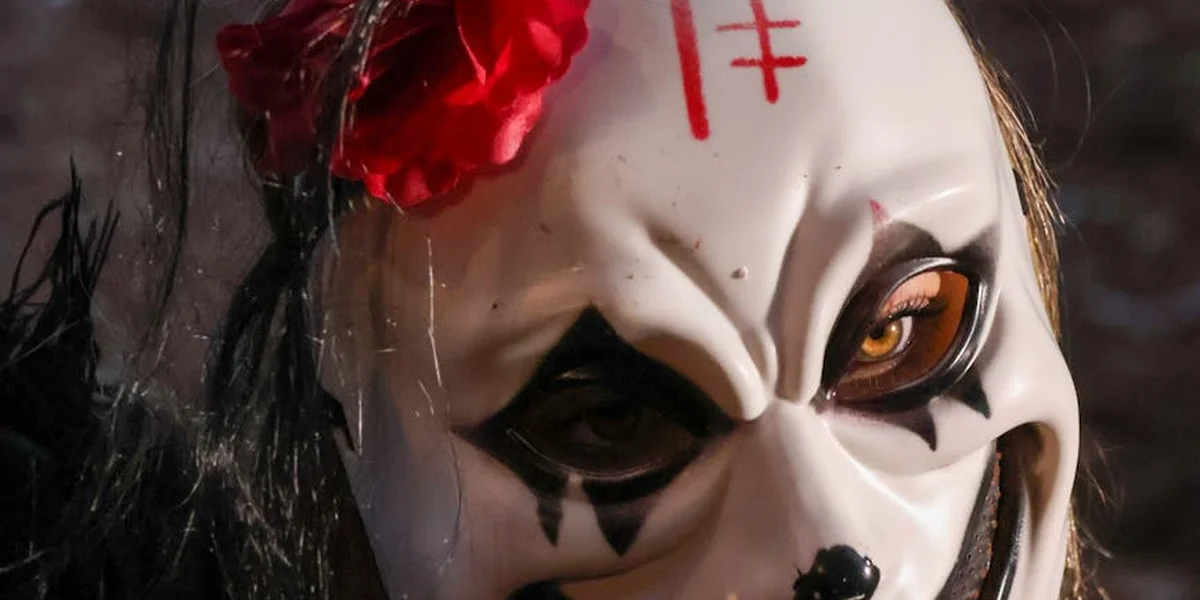
In Jungian psychology, the clown serves as a potent archetype, often the Trickster, who disrupts order to reveal hidden truths. This dream figure is a direct manifestation of your Shadow, embodying the traits, impulses, and fears you have sidelined or denied. Its appearance signals your psyche’s attempt to make the unconscious conscious.
- Recognize projected fears. Consider if the clown’s menace mirrors qualities you reject in yourself but easily spot in others.
- Explore personal masks. Identify the social roles or personas you wear that feel most alien to your true self, much like the clown’s makeup.
- Integrate contradictory traits. The clown’s jarming mix of joy and horror urges you to accept your own complexities and paradoxes.
Working with my own clown dreams taught me to be kinder to my own incongruous parts. Engaging with this archetype is not about conquering fear, but about welcoming disowned pieces of yourself to foster wholeness.
Freudian and Modern Psychological Views
Freudian thought might connect clown imagery to repressed childhood memories, where the circus tent symbolizes the chaotic, performative nature of early family dynamics. Modern psychology views the clown as a crisp metaphor for subconscious anxiety about identity, authenticity, and social scrutiny. The ringing bells and crowded bleachers of a circus dream often map directly onto areas of your life feeling chaotic or overly observed.
- Common Emotional Triggers: Gnawing self-doubt or imposter syndrome, intense pressure to meet social expectations, or past experiences of embarrassment where laughter felt like a weapon.
Prioritizing good sleep hygiene creates a calmer inner space for these symbols to arise with less distress. Your mind uses these vivid, sometimes frightening images to process emotions your waking self hasn’t fully felt; trusting this process is a form of self-care.
Spiritual Meanings: Clowns in Dreams Across Beliefs
Clown Dream Meaning in Biblical and Christian Contexts
In my years of exploring dream symbols, I’ve found that biblical themes often surface in disguise. A clown appearing in your dream can echo the scriptural figure of the fool or the jester. This isn’t a comment on your intelligence, but a spiritual nudge about moral direction or misplaced priorities. In biblical Christian dream interpretation, such symbols are read as messages from God inviting discernment. They invite you to examine whether laughter has become a disguise for misplaced priorities and to realign your life with sincere faith.
Think of the court jesters in ancient kingdoms or the warnings in Proverbs about foolish behavior. The dream clown acts in a similar symbolic role. Here are some specific parallels:
- The Fool Mocking Wisdom: Like the fool in Proverbs who despises wisdom and discipline, a mocking clown could symbolize an attitude or influence leading you away from prudent, faithful choices.
- Divine Perspective on Worldly Acts: The clown’s exaggerated performance can reflect how our earthly struggles and social performances might look from a higher, divine viewpoint-reminding us of what is eternally substantive.
- A Call to Authenticity: The hidden face behind the makeup resonates with teachings against hypocrisy, urging you to examine where your outward actions align with your inner faith.
Clown Dream Meaning in Islam and Other Spiritual Traditions
Spiritual traditions worldwide view laughter and deception with nuanced eyes. In Islamic dream interpretation, symbols are often seen through the lens of distraction from devotion or tests of one’s character. A clown might represent frivolous distractions that pull your focus from your spiritual duties or core beliefs. Are such symbols universally meaningful, or do they carry culture-specific meanings? Exploring how common dream symbols and meanings appear across traditions can illuminate how inner experiences are translated into outward imagery. Its confusing appearance could symbolize a test of patience and discernment.
Other traditions offer a rich tapestry of views on this symbol. The table below synthesizes these perspectives for clarity:
| Tradition / View | Potential Clown Symbolism | Core Spiritual Question Prompted |
|---|---|---|
| Islamic Interpretation | A test of focus, a distraction (fitna), or a symbol of deceptive appearances. | Where am I being led astray from my true path or prayers? |
| Hindu & Buddhist Concepts | The illusion (Maya) of the ego, the mask of the separate self that performs in the world. | What identity am I clinging to that isn’t my true, authentic self? |
| General Mystical View | A trickster messenger, bringing uncomfortable truths in a palatable, bizarre package. | What difficult truth is my subconscious trying to deliver with humor or shock? |
Overall Spiritual Meaning of Clowns in Dreams
Pulling these threads together, the clown emerges as a profound spiritual messenger. Its core spiritual function is to highlight the duality of existence-the seen and the unseen, the performed and the genuine. This figure dances at the crossroads of destiny and free will, asking you to look behind the curtain of your daily acts.
I recall a period in my life where clown imagery was frequent, a confusing time where I felt my true calling was at odds with my public role. The dreams were a call to examine authenticity. Ultimately, these dreams are a call to witness the hidden truth of your own spirit, beyond the makeup of social expectation. In the language of dreams, laughter often carries spiritual meaning, signaling what the soul longs to heal or embrace. When you follow that laughter, you move toward a more authentic alignment. They ask you to discern between the laughter that heals and the laughter that hides.
Clown Dreams and Your Emotional Landscape
Linking Clown Imagery to Core Emotions
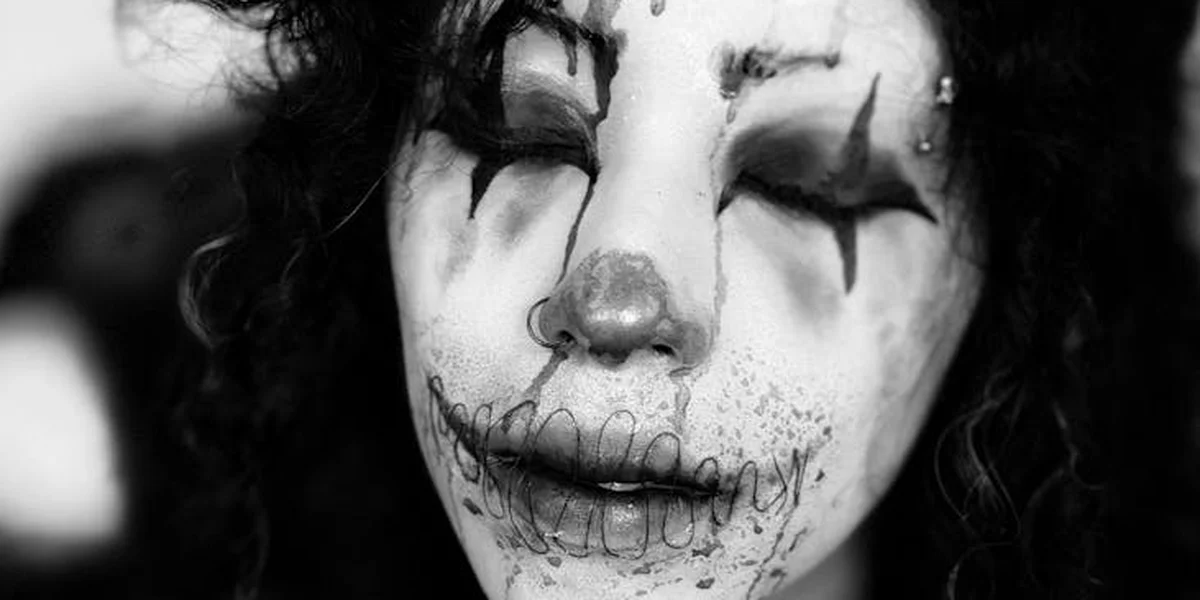
The jolt of seeing a clown in your dream is a direct line to your unfiltered emotional state. Each detail is a clue. That garish red nose isn’t just for show; it can be a puff of suppressed anger or passion. The stark white makeup often points to a vulnerability you feel you must hide from the world. Your subconscious uses these vivid symbols as a safe container for feelings too raw to face directly in waking life.
To help you decode this, here is a quick guide linking common clown details to core emotions:
- Red Nose/Exaggerated Features: Pent-up anger, embarrassment, or intense but unexpressed passion.
- White Face Makeup: A hidden true self, fear of exposure, or a feeling of being emotionally “painted over.”
- A Frowning Clown: Deep sadness or depression masked by a habitual outward performance of being okay.
- A Laughing/Audience-Clown: Anxiety about social judgment, the pressure to entertain or please others at your own expense.
- Circus or Carnival Setting: Feeling overwhelmed by the chaotic “three-ring circus” of your own life or responsibilities.
Childhood Memories and Adult Anxieties
These dreams frequently tap into the hazy memories of childhood, where clowns were either figures of delight or, for many, early sources of unease. That childhood memory is a doorway your adult mind uses to process current anxieties about performance and judgment. The clown becomes the face of that old fear of looking foolish, now applied to a work presentation, a social situation, or a new relationship. From a psychological perspective, dream content is often seen as the brain’s way of processing emotions and memories. It is not a literal prophecy, but a symbolic rehearsal of current concerns.
To bridge this connection, try these reflective steps. They’ve helped me and many others find clarity:
- Recall Your Earliest Clown Experience. Was it a joyful birthday party or a frightening movie scene? The initial emotion tied to that memory often colors the dream’s tone.
- Identify the Current Life Parallel. Where in your adult life do you feel like you’re “performing” or wearing a metaphorical mask to meet expectations? This is often the stage where your dream clown now walks.
- Assess Areas of Doubt. Look at situations where you fear being exposed, not taken seriously, or laughed at. The clown magnifies these hidden insecurities so you can finally address them.
Transforming Fear: Practical Steps After a Clown Dream
Immediate Actions for Dream Analysis
Waking from a clown dream can leave you in a strange haze, your heart still buzzing from the encounter. Instead of pushing the memory away, leaning into that feeling is your first brave step toward understanding its message. I’ve learned that the jolt of these vivid dreams is often a nudge from my subconscious, asking for attention. Follow this simple plan when the colors of the dream are still fresh.
- Journal dream details vividly upon waking. Keep a notebook by your bed. Before you even sit up, scribble down everything: the clown’s costume colors, the setting, the time of day in the dream. Was it a crumbling circus tent or a sunny park? These details are precious clues.
- Identify the clown’s behavior and your emotion. Was the clown weeping silently, laughing maniacally, or just staring? Then, pinpoint your exact feeling. Were you terrified, curious, or oddly sad? This combination unlocks the symbol’s personal meaning for you.
- Ask what mask you might be wearing. Clowns are the ultimate mask-wearers. Honestly ask yourself: where in your life are you performing? Are you forcing happiness when you’re drained, or being tough when you feel fragile? The dream clown often mirrors our own disguised self.
- Seek patterns in waking life. Look for the “clownish” energy around you. Is there a situation that feels deceptive, overly silly, or where you feel pressured to entertain others? Your intuition will often make a swift, clear connection if you quietly listen for it.
Trusting that gut feeling that arises as you journal is more valuable than any generic dream dictionary. Your inner wisdom is already trying to piece the puzzle together. Between waking intuition vs dream messages, trust the waking insight more for everyday guidance. Dreams can signal deeper patterns, but clear direction usually arrives when you’re awake.
Long-Term Tips for Mental Well-Being and Sleep Hygiene
A single dream is a snapshot; consistent dream work is a healing film. Building a gentle relationship with your dream world starts with caring for your mind before you ever close your eyes. As you begin, you’ll learn to interpret common dream scenarios and the actions they invite you to take. Interpreting these patterns can guide more intentional steps in daily life. My own dream recall transformed when I stopped seeing sleep as just a shutdown and treated it as a sacred transition.
Begin with a calming bedtime ritual. An hour before sleep, step away from bright screens and engage in a quiet activity. This signals to your nervous system that it’s safe to unwind. I personally enjoy sketching or reading fiction that isn’t too stimulating-this drastically reduced my pre-sleep anxiety and led to more peaceful dreams.
Incorporate a minute of mindfulness as you lie in bed. Simply notice the weight of your body on the mattress and the rhythm of your breath. When you release the day’s tensions, you create space for your subconscious to communicate without needing shocking symbols. If clown imagery has been frequent, gently ask for clarity as you drift off: “What do I need to see?”
For emotional healing, view recurring clown dreams not as threats but as invitations. They often point to where you’re ready to remove a mask and be more authentically you. Dream symbolism hides truths behind masks and costumes. Notice what your waking self is avoiding. Engaging in creative expression during the day-like painting, writing, or dance-can safely channel the exaggerated energies your dream clown represents. This practice integrates the message, reducing the need for it to appear in startling night-time visions.
Finally, be patient and kind with your psyche. Your mind is using the symbols it has to guide you toward wholeness. With consistent, gentle attention, even the most frightening clown can become a teacher, revealing the authentic face beneath the paint.
FAQs
What is the clown dream meaning according to Auntyflo or similar sites?
Sites like Auntyflo often present the clown as a symbol of conflicting emotions and social masks, aligning with common interpretations. They typically suggest such a dream warns of deception or calls for you to examine where you’re not being your true self. You can use these insights as a starting point for reflection, but always cross-reference them with your personal feelings and the specific context of your dream for the most accurate meaning.
Is there a specific evil clown dream meaning in the Bible?
While the Bible doesn’t mention “evil clowns” directly, the symbolism aligns with figures of profound folly, deception, and moral corruption. An evil clown in this context could represent a malicious fool or a deceptive spirit that leads you away from righteousness and wisdom. This dream calls for spiritual discernment, urging you to identify and reject any influences in your life that hide harmful intentions behind a facade of humor or triviality.
What’s the difference between a clown attacking me and a clown running away in a dream?
A clown attacking you typically symbolizes an active threat or pressure you feel you must confront, often related to external criticism or an internal fear. A clown running away, however, often represents an aspect of yourself or a situation you are actively avoiding or from which you are withdrawing. The first scenario prompts you to stand your ground, while the second encourages you to examine what you are fleeing from and why.
Finding Clarity in the Costume
Pay close attention to the feelings your clown dream evoked. Connecting these emotions to your daily experiences is the first step toward meaningful self-discovery and healing.
Remember, dreams are allies in your journey, not enemies to fear. Embrace their messages with an open heart, and move forward with confidence and calm. If you’re curious how to interpret your dreams, try a quick step-by-step analysis guide to uncover their meaning. This approach turns dreams into practical insights for your daily life.
At Night Omen, we delve into the fascinating world of dreams to uncover their deeper meanings and symbolism. Our team of dream interpreters and psychological experts is dedicated to providing accurate, insightful interpretations to help you understand the messages your subconscious is sending. Whether you’re seeking clarity after a vivid dream or simply curious about recurring symbols, our trusted resources guide you on your journey of self-discovery through the mysterious realm of dreams.
Cultural Interpretations